
Review Article
How Entrepreneurs Perceive Technology in the Digital Era: From Aversion to Adoption
Facultad de Derecho y Ciencias Políticas, Universidad de Cartagena, Cartagena 130001, Colombia. Email: jnoronos@unicartagena.edu.co ORCID: https://orcid.org/0000-0001-9777-2733
Received: 2025-04-25 | Revised: 2025-05-01 | Accepted: 2025-05-20 | Published: 2025-05-21
Citation: Noroño Sánchez, J. G. (2025). How entrepreneurs perceive technology in the digital era: From aversion to adoption. Ceniiac, 1, e0002. https://doi.org/10.64923/ceniiac.e0002
Copyright: © 2025 by the authors. Licensee Negocios Globales, Maracaibo, Venezuela. This article is an Open Access article distributed under the terms and conditions of the Creative Commons Attribution (CC BY) license.
ISSN: 3105-6237


Abstract: This study examines entrepreneurs’ perceptions of technology, highlighting its influence on the adoption of new tools and the formulation of business strategies. Using a quantitative methodology with a bibliometric approach, 349 documents indexed in Scopus, published between 2019 and 2024, were analyzed. Trends and patterns in entrepreneurs’ perceptions toward technologies such as artificial intelligence and blockchain were identified, and the practical implications of these perceptions for innovation and business management were evaluated. The results show a significant increase in the acceptance of these technologies, driven by their perceived usefulness and their ability to enhance business competitiveness. Additionally, it was observed that perceptions of technology vary according to the industrial sector, organizational culture, and economic environment. The review also highlights influential sources in the field and reveals an uneven global distribution of research. The study concludes with recommendations for developing policies that promote technological literacy and mitigate technostress. Furthermore, it suggests exploring the impact of global events and cultural differences on the integration of new technologies.
Keywords: perception; entrepreneurs; technology; adoption; use; economic benefits; innovation; business strategies
1. Introduction
Entrepreneurs’ perception of technology is a topic studied within management and technology fields, referring to entrepreneurs’ perspectives regarding the integration of technologies into their business processes (Gupta & Yang, 2024; Losacker et al., 2023; Neumeyer et al., 2021; Rathakrishnan et al., 2022; Tanković et al., 2023). Understanding these perceptions is crucial because they can influence how new technologies are adopted (Dutta & Shivani, 2023; Gonzalez-Tamayo et al., 2024; Neumeyer et al., 2021; Wang & Zhao, 2023). This, in turn, can make the difference between the success and failure of business projects (Omwenga & Waema, 2021; Roberts et al., 2021).
The perception of technology in the literature encompasses dimensions such as perceived usefulness, ease of use (Rachmi et al., 2023), compatibility with processes, and potential economic benefits (Read, 2022). The Technology Acceptance Model (TAM) has been used to predict how individuals feel about adopting new technology, i.e., it shows how our perceptions can influence our decisions to adopt or reject a technology (Crittenden et al., 2019; Neeragatti et al., 2023; W. Zhang et al., 2023; Zulfiqar et al., 2021).
Moreover, today’s technological evolution demands that entrepreneurs adapt to and anticipate these trends to maintain their competitiveness (Golja & Paulišić, 2021; Hall & Williams, 2019; Lagrosen et al., 2019; Štěrbová et al., 2021). In this context, entrepreneurs’ perception of technology depends on factors such as the industry sector, organizational culture, and the economic environment in which they operate (Ali, 2020; Espina-Romero et al., 2023; Roberts et al., 2021; Suwanan & Allya, 2023).
Although this topic has been studied, there are gaps in literature, including the lack of an integrative approach that considers the temporal evolution of these perceptions, their influence on business strategies, and the evaluation of sources and their geographic impact. Furthermore, there is a need to identify new research lines to explore how entrepreneurs use new technologies in different realities. These gaps highlight the critical importance of investigating how technology perception relates to outcomes and policies that meet business needs.
Given these gaps, the bibliometric method emerges to address these limitations (Zupic & Čater, 2015). This approach allows not only the identification of trends and patterns in literature but also the detection of underexplored or emerging areas, offering insight into how entrepreneurs perceive technology today. The research questions guiding this study are:
RQ1. How has entrepreneurs’ perception of technology evolved during 2019–2024, and what are the practical implications of these changes for business innovation and emerging technology management?
RQ2. What are the most influential sources for understanding entrepreneurs’ perception of technology?
RQ3. What are the main trends and patterns in entrepreneurs’ perception of technology, and how do these findings compare with literature on technology adoption and impact in business sectors?
RQ4. How is research on entrepreneurs’ perception of technology distributed globally, and what impact does this distribution have in terms of academic productivity and influence?
RQ5. What future research questions can be derived from studies on entrepreneurs’ perception of technology?
The central objective of this study is to analyze the literature in Scopus regarding entrepreneurs’ perception of technology from 2019 to 2024, identifying trends, discrepancies, and emerging research areas. The main contribution of this study is to synthesize and analyze a collection of literature using bibliometric techniques to provide a visualization of how entrepreneurs’ perception of technology has been addressed in the literature, highlighting saturated areas as well as opportunities for future research.
The paper is structured as follows: following this Introduction, the second section offers a literature review outlining relevant studies. The third section describes the bibliometric methodology used, including selection criteria and analysis techniques. The fourth section presents the results, discussing trends, patterns, and discrepancies. Finally, the Conclusions section discusses the implications of the findings and proposes directions for future research.
2. Entrepreneurs’ Perceptions of Technology in the Context of Business Innovation: A Literature Review
Various studies have explored how entrepreneurs perceive different technologies in their business activities. For example, Sherman and Wu (2020) conducted a study on robotic arm assistance, focusing on the perceptions of orthopedic surgeons. They found that precision was the main reason for using this technology but also noted that factors such as marketing pressures and peer influence affected its adoption. Additionally, Suchacka (2020) examined digital corporate responsibility (CDR) and its relationship with technological development. This study highlighted that organizations must be responsible in technology development, reflecting entrepreneurs’ perceptions toward technological responsibility.
Ying et al. (2021) explored the Industrial Internet of Things (IIoT) and its impact on manufacturing. Their study emphasized how perceptions of IIoT technology affect the development of computational models aimed at improving usability in the industry. Meanwhile, Rokhim et al. (2021) analyzed entrepreneurial credit among small and medium enterprises in Indonesia, highlighting how perceptions of usefulness, ease of use, and trust influence the intention to adopt technology. Similarly, Ji and Goo (2021) examined how perceptions of the technological environment influence entrepreneurial intention in service sectors in Korea, demonstrating that perceived opportunity, accessibility, and technological accumulation affect personal attitude and perceived behavioral control among potential entrepreneurs.
In another study, Vecchio et al. (2022) investigated farmers’ perceptions of precision agriculture, emphasizing how individual perceptions influence the use of innovative technologies in their work. More recently, Mishra et al. (2023) explored the perceptions of rural entrepreneurs in India regarding social, economic, and technological factors affecting business dynamics. This study highlights how entrepreneurs’ perceptions of solar technology and other energy products influence their usage and strategies to improve institutional support. Concurrently, Mondo et al. (2023) examined how employees’ perceptions of technology affect their well-being during smart working, especially amid the COVID-19 pandemic. This research underscores how workload, technostress, and psychological detachment capacity influence employee well-being, emphasizing the importance of understanding individual perceptions of technology at work.
Likewise, Barkoczi and Roman (2023) investigated how teacher education students’ perceptions influence their intention to perform fact-checking on social media. This study stresses media literacy and trust in news as tools to combat misinformation on social networks, highlighting how users perceive technological information. Additionally, Kožuh and Čakš (2023) explored how the pandemic and artificial intelligence have contributed to the spread of misinformation on social media. Their study highlights how individuals’ opinions about their ability to understand news and their trust in it affect whether they verify information on social networks, demonstrating how individual perceptions influence online behavior.
For 2024, two studies stand out. First, Gupta and Yang (2024) presented a model for the use of generative artificial intelligence designed to illustrate the complex process entrepreneurs in the innovation ecosystem undergo when adopting this technology. This model highlights how entrepreneurs’ perceptions of perceived usefulness, ease of use, and perceived enjoyment influence their emotions toward the technology, affecting their intention to adopt it. Second, Zhu and Chung (2024) examined how new digital media technologies impact culture and art through interactive design of perceptual videos. This study emphasizes how viewers’ perceptions of augmented reality and interactive design affect their experience and participation in the dissemination of traditional culture and art, highlighting how individual perceptions influence the use of new technologies in cultural contexts.
Table 1 highlights how each study captures entrepreneurs’ perceptions of technology, reflecting varying views and attitudes depending on the context and technology studied.
Table 1. Entrepreneurs' Perceptions of Technology According to Literature
|
Authors |
Theme |
Perception of Entrepreneurs |
|
(Sherman & Wu, 2020) |
Robotic arm assistance in surgeries |
Technology is valued for its accuracy, although influenced by external factors such as marketing and colleagues. |
|
(Suchacka, 2020) |
Digital Corporate Responsibility (DCR) |
Growing awareness of responsibility in the use and development of technologies. |
|
(Ying et al., 2021) |
Industrial Internet of Things (IIoT) |
Positive view of IIoT to improve processes, focused on usability and efficiency. |
|
(Rokhim et al., 2021) |
Entrepreneurship Loans in Indonesia |
Favorable perception of technology if it is useful, easy to use, and reliable. |
|
(Ji & Goo, 2021) |
Technological environment and business intention |
The technological environment is seen as an opportunity, directly affecting personal attitude and control. |
|
(Vecchio et al., 2022) |
Precision agriculture |
Technology is perceived as a key enabler for innovation in agriculture. |
|
(Mishra et al., 2023) |
Solar Technology in Rural India |
Positive, with a focus on how it can support sustainable and economic business development. |
|
(Mondo et al., 2023) |
Employee Wellness & Technology |
Mixed perception: technology is a source of stress, but essential for efficiency in smart work. |
|
(Barkoczi & Roman, 2023) |
Student perception of fact-checking |
Criticism of technology if there is a lack of media literacy and distrust in information sources. |
|
(Kožuh & Čakš, 2023) |
Artificial intelligence and disinformation |
Skepticism towards technology without adequate media literacy, important for assessing veracity. |
|
(Gupta & Yang, 2024) |
Artificial Intelligence Adoption Model |
Very positive, with an emphasis on perceived usefulness, ease of use and personal enjoyment. |
|
(Zhu & Chung, 2024) |
Digital Media Technologies and Culture |
Enthusiastic about the possibilities of actively participating in culture through advanced technology. |
3. Materials and Methods
The methodology of
our study is quantitative with a bibliometric approach (Zupic & Čater,
2015). To answer the five research questions posed in the Introduction section
(RQ1, RQ2, RQ3, RQ4, and RQ5), the following research objectives were
fulfilled:
O1. Analyze how entrepreneurs' perceptions of technologies have changed from
2019 to 2024, as well as determine the consequences of these perceptions on
business strategies, technology adoption, and policy formulation.
O2. Analyze the sources that contribute the most knowledge about how
entrepreneurs perceive and use technology in their businesses.
O3. Identify the ten most cited documents to analyze how entrepreneurs perceive
technology in various contexts and assess the impact of these perceptions on
the adoption of technologies in their business activities.
O4. Evaluate the geographic distribution and impact of studies on
entrepreneurs’ perceptions of technology at a global level.
O5. Identify emerging research lines that address how entrepreneurs understand
and utilize technology.
3.1. Data Sources, Population, and Sample
An exhaustive
search was conducted in Scopus (Baas et al., 2020; Burnham, 2006) using a
combination of key terms related to entrepreneurship, perception, and
technology, along with their synonyms. This search was limited to the
TITLE-ABS-KEY field and included terms such as "entrepreneur,"
"innovator," "starter," "founder,"
"creator," "perception," "awareness,"
"understanding," "technology," "tech," and "technological,"
using Boolean operators like "OR" and "AND", as well as the
proximity connector "PRE/n." The resulting query was:
(TITLE-ABS-KEY("entrepreneur" OR "innovator" OR
"starter" OR "founder" OR "creator")) AND
((perception* OR awareness* OR understanding PRE/2 technology* OR tech* OR
technological*)) AND (LIMIT-TO(PUBYEAR, 2024) OR LIMIT-TO(PUBYEAR, 2023) OR
LIMIT-TO(PUBYEAR, 2022) OR LIMIT-TO(PUBYEAR, 2021) OR LIMIT-TO(PUBYEAR, 2020)
OR LIMIT-TO(PUBYEAR, 2019)) AND (EXCLUDE(PUBSTAGE, "aip")).
Figure 1 shows the flowchart of the document selection process for this study (Page et al., 2021), using Scopus. Initially, 845 records were identified between 1975 and 2024. All these records were initially evaluated. Of these, 350 were excluded for falling outside the time range considered for this review, which was 1975 to 2018. This left 495 records from the period 2019 to 2024. Subsequently, eligibility was determined, during which 146 additional records were excluded because they were in "article in press" status—that is, not finalized or definitively published. Finally, 349 studies were included in the review for analysis. These manuscripts come from 271 distinct sources, which may include journals, books, or other academic outlets. The selected documents encompass keywords provided by the authors (a total of 1,308) and were authored by 993 researchers. Moreover, it is noteworthy that 28.65% of these documents involve international collaborations among authors.
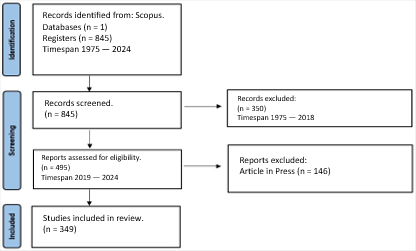
Figure 1. Flowchart of the document selection process.
3.2. Variables Analyzed
"Total Documents" represent the total number of documents included in the analysis (Baas et al., 2020). The "H-index" indicates the number of articles by an author that have been cited at least that same number of times (Hirsch, 2005). "Total Citations" refers to the total number of citations received by the analyzed documents (Baas et al., 2020). "Sources" describe the diversity of publications from which the documents originate (Pranckutė, 2021). The "Annual Growth Rate %" shows the yearly growth rate of academic production (Mukherjee et al., 2022). "Author Keyword Co-occurrences" indicate the frequency with which certain keywords appear together in the documents (Zupic & Čater, 2015).
"Authors" identifies the number and relevance of researchers involved in the analyzed documents (McAllister et al., 2022). The "% of International Co-authorship" reflects the proportion of collaborations among authors from different countries (McAllister et al., 2022). "Quartile" classifies the journals where documents are published into quartiles based on their impact (González-Pereira et al., 2010). "SJR" (Scimago Journal Rank) is an indicator that measures the influence and visibility of scientific journals internationally (González-Pereira et al., 2010). Finally, "Productivity vs. Influence" compares the number of documents produced by an author or group of authors with the impact of their research (Kulkanjanapiban & Silwattananusarn, 2022).
3.3. Analysis Methods
Initially, data was extracted from Scopus in CSV format, facilitating its manipulation in RStudio version 4.3.2 (Aria & Cuccurullo, 2017) and VOSviewer version 1.6.20 (van Eck & Waltman, 2007, 2010), as well as Microsoft Excel 365. To address the first objective, VOSviewer software was used, applying co-occurrence analysis with author keywords as the unit of analysis, using the "Full counting" method with a minimum occurrence threshold set at 1. This identified 22 terms with the highest frequency of co-occurrence, allowing visualization of annual thematic trends through bar charts in Excel.
For the second objective, VOSviewer was again employed, this time using a bibliographic coupling approach with sources as the unit of analysis, applying the same counting method. Additionally, the analysis was complemented with scatter plots in Excel to evaluate source productivity and influence, with data organized and analyzed previously by RStudio, presenting results in a table for better interpretation.
For the third objective, VOSviewer was used to perform a citation analysis focused on the most cited documents, setting an inclusion criterion of at least 65 citations per document. Of the 349 evaluated documents, only 10 met this threshold; their data were organized and analyzed in Excel for tabular presentation. For the fourth objective, VOSviewer performed citation analysis at the country level, establishing specific inclusion criteria for countries in the analysis.
The results were complemented with scatter plots in Excel, allowing assessment of research productivity and influence globally, with data presented in tables and visualized through generated images for better interpretation. Finally, to address the fifth objective, which was to create a future research agenda, Microsoft Excel was used exclusively to organize the inferred data from previous objectives, thus identifying areas of interest for future investigations.
3.4. Ethics and Legal Considerations
We have used various programs and tools that currently include AI to enhance our research, such as Microsoft Word for grammar and style suggestions, Microsoft Excel for data analysis and visualization ideas, DeepL for accurate translations, ChatGPT for comparing translations, and Google Search for efficient information retrieval. It is important to emphasize that these resources do not replace our interpretation of the data or the extraction of scientific conclusions. Additionally, we have adhered to ethical and legal principles when collecting and analyzing bibliometric data.
4. Results and Discussions
4.1. Evolution of Entrepreneurial Perception of Emerging Technologies: Implications for Innovation and Business Strategy
The objective (O1) of this section is to examine the evolution of entrepreneurs’ perceptions regarding various technologies from 2019 to 2024, as well as to identify the implications derived from these perceptions. Figure 2 presents a visual network of terms closely related to technologies, also showing the interconnections among them. This visualization was generated using VOSviewer through co-occurrence analysis, utilizing author keywords as the unit of analysis. The "Full counting" method was employed, with a minimum threshold of one occurrence per keyword. A total of 22 terms with the highest co-occurrence frequency were selected. These terms were then distributed in Figure 3 according to the year in which they achieved the greatest relevance, alongside the number of publications per year.
Analyzing the data from Figure 3, several significant trends can be observed. The average annual growth rate between 2019 and 2024 is 14.8%. Moreover, the data reflect interest in topics such as blockchain (Dos Santos Richards, 2024; Jaiswal et al., 2022; Tanković et al., 2023; Tiscini et al., 2020), artificial intelligence (Gupta & Yang, 2024; Lund et al., 2020; Merkulova, 2023; Santaella, 2022), and digitization (Espina-Romero & Guerrero-Alcedo, 2022) from 2019 to 2024, which is consistent with the literature highlighting the importance of these technologies in business innovation and data management. Additionally, the recurring theme of "technology acceptance" in 2019 and 2022 indicates how entrepreneurs adopt new technologies (Crittenden et al., 2019; Oktavia & Sfenrianto, 2022), resonating with studies such as Rokhim et al. (2021) that explore perceived usefulness and ease of use as key factors in technology adoption.
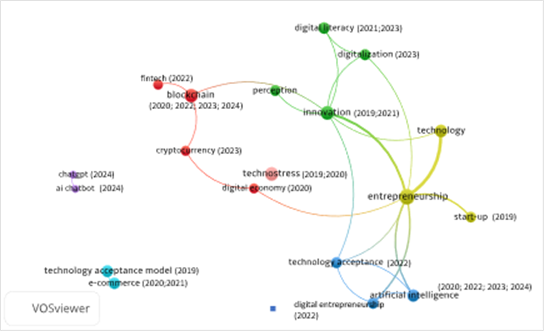
Figure 2. Analysis of co-occurrences of terms related to technologies
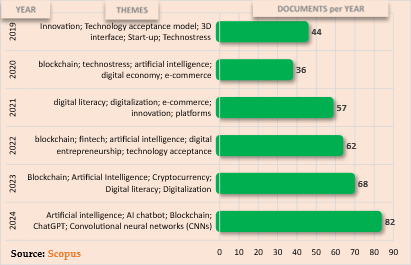
Figure 3. Thematic evolution.
Similarly, in 2021 and 2024, topics such as e-commerce and AI chatbots suggest how technology impacts industries (Camilleri, 2024; Sahar et al., 2021), a line also explored in studies like those of Sherman & Wu (2020) and Vecchio et al. (2022), which examine the impact of technologies in sectors such as healthcare and agriculture. The findings from 2019 and 2020 mention that technostress aligns with studies like Mondo et al. (2023), which investigate how the perception of technology can affect employee well-being. The recurrence of terms like “digital literacy” in 2021 and 2023 highlights the importance of technological education, something also emphasized by Barkoczi & Roman (2023) in the context of media literacy.
This analysis underscores the importance of these perceptions for companies to develop strategies in technology integration, especially regarding how they train users in new technological tools. Additionally, the findings can inform policies that improve institutional support for entrepreneurs, particularly in technologies such as solar energy, as reflected in the study by Mishra et al. (2023). Looking ahead, it would be useful to conduct broader studies that track the evolution of technological perception over time to better understand changes in adoption and attitudes toward technology. It would also be relevant to investigate how the COVID-19 pandemic has modified the perception and adoption of technologies, especially in remote work and online education. Exploring how cultural differences affect the perception and adoption of emerging technologies could offer valuable insights for technological innovation companies.
4.2. Evaluation of the Ten Most Relevant Sources
The objective (O2) of this section is to analyze the ten sources that contribute the most to the field under study. Figure 4, generated by the VOSviewer software, presents a bibliographic coupling network analysis focused on "sources" as units of analysis, using the "Full Counting" method. To be included in this figure, a source must have published at least one document. This figure highlights the ten most relevant sources, distributed into three clusters containing 5, 4, and 1 source(s), respectively. The first two clusters, grouping 5 and 4 sources (red and green), are closely interconnected, while the cluster containing a single source (blue) remains isolated.
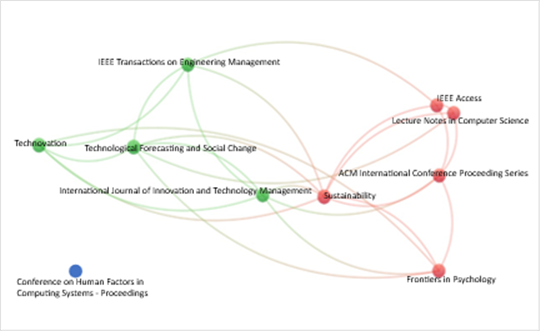
Figure 4. Bibliographic coupling of the ten most relevant sources
For the analysis of the data in Table 2, it is important to consider variables such as Total Documents (TD), Total Citations (TC), h-index, quartile, SJR (Scientific Journal Rankings) indicator, and the category of Productivity and Influence. The table data were obtained from RStudio through the Most Relevant Sources tab. The journal Sustainability (Switzerland) stands out with 13 documents and 538 citations, indicating a high volume of research and great interest in its publications. This high-performance trend is also observed in the journals Technological Forecasting and Social Change and Technovation, which show a significant number of citations, suggesting they are influential sources in the field of technology and innovation.
Table 2. Ten Most Relevant Sources
|
Relevant Sources |
TD |
TC |
h-index |
Quartile |
SJR |
Productivity & Influence (TD/TC) |
|
Sustainability (Switzerland) |
13 |
538 |
7 |
Q1 |
0.67 |
High Productivity / High Influence |
|
Technological Forecasting and Social Change |
9 |
149 |
6 |
Q1 |
3.12 |
High Productivity / Low Influence |
|
Technovation |
6 |
177 |
5 |
Q1 |
2.59 |
Low Productivity / Low Influence |
|
ACM International Conference Proceeding Series |
4 |
46 |
2 |
N/A |
0.25 |
Low Productivity / Low Influence |
|
Frontiers in Psychology |
4 |
65 |
2 |
Q2 |
0.8 |
Low Productivity / Low Influence |
|
IEEE Transactions on Engineering Management |
4 |
107 |
4 |
Q1 |
1.2 |
Low Productivity / Low Influence |
|
Conference on Human Factors in Computing Systems - Proceedings |
3 |
47 |
3 |
N/A |
0 |
Low Productivity / Low Influence |
|
IEEE Access |
3 |
31 |
3 |
Q1 |
0.96 |
Low Productivity / Low Influence |
|
International Journal of Innovation and Technology Management |
3 |
6 |
1 |
Q3 |
0.4 |
Low Productivity / Low Influence |
|
Lecture Notes in Computer Science (Including Subseries Lecture Notes in Artificial Intelligence and Lecture Notes in Bioinformatics) |
3 |
18 |
3 |
Q2 |
0.61 |
Low Productivity / Low Influence |
N/A: Not Applicable
The h-index, which indicates the productivity and impact of researchers' publications, shows that Sustainability with an h-index of 7 and Technological Forecasting and Social Change with an h-index of 6 are leaders in this regard. Additionally, quartiles indicate a journal’s relative position within its academic field, where Q1 represents the highest quartile and is indicative of high quality. Several of the listed sources, such as Sustainability, Technological Forecasting and Social Change, and IEEE Transactions on Engineering Management, are in Q1, highlighting their recognition within the academic community.
The SJR index reflects the visibility of journals in Scopus. A higher SJR indicates greater influence. In this respect, Technological Forecasting and Social Change stands out with an SJR of 3.12, followed by Technovation with an SJR of 2.59. Finally, the Productivity and Influence categorization (TD/TC) combines the number of documents and how frequently they are cited to assess both the productivity and influence of the source. Sustainability is classified as High Productivity / High Influence, which is ideal for publications seeking impact and visibility (see Figure 5).
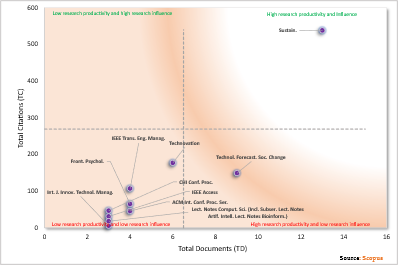
Figure 5. Productivity and Influence of Sources
On the other hand, Figure 6 shows the distribution of the core sources according to Bradford’s Law (Bradford, 1976), applied to the field under study. Bradford’s Law suggests that a small number of sources produce most articles on a specific topic. In Figure 6, the shaded area, called the "Core Sources," shows the sources that make up the central core according to Bradford. We observe that journals such as Sustainability (Switzerland), Technological Forecasting and Social Change, and Technovation are within this core zone, indicating that they are essential for research in this field. These sources not only have a high number of articles but also, as previously discussed, show high citation rates and impact metrics, such as the h-index and SJR index. The rest of the relevant sources, along with thirty more, are also included within “Core Sources."
The shape of the curve shows a decrease in the number of articles as we move toward lower-ranked sources, which is typical of Bradford’s Law. This implies that a small number of sources contain a significant portion of the relevant literature, while a large number of other sources contribute progressively less to the body of knowledge on this topic. This analysis reaffirms the importance of these core sources for research on entrepreneurs’ perception of technology, as they provide the most cited articles to understand current trends.
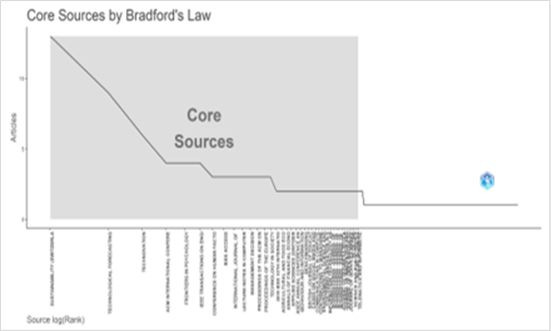
Figure 6. Bradford's Law
Comparing these findings with literature, we observe significant similarities. For example, studies such as Ying et al. (2021) on the Industrial Internet of Things (IIoT) and its impact on manufacturing processes emphasize entrepreneurs’ perceptions of technology for the adoption of new technologies. The visibility and impact of the sources identified in this analysis may facilitate the dissemination of research that influences these perceptions and, consequently, technology adoption.
The results of this study have practical implications for entrepreneurs. Knowing which sources are relevant in the field can guide entrepreneurs on where to seek information that might influence their technological strategies. Furthermore, for academics seeking impact in their research, understanding these publication and citation patterns can help guide their publication efforts.
It would be beneficial to study how perceptions change in response to the visibility and impact of leading sources. Additionally, qualitative research could explore how entrepreneurs apply acquired knowledge in their business decisions. A comparative approach between industrial sectors could reveal variations in technological perceptions. Finally, analyzing the impact of social networks on the dissemination of scientific knowledge could provide insights into the interaction between digital media and technology adoption. Such research would contribute to better strategies for promoting technological innovation in business.
4.3. Entrepreneurial Perceptions of Technology According to the Most Cited Documents
The objective (O3) of this section is to identify the ten most cited documents to analyze how entrepreneurs perceive technology in various contexts. For Figure 7, generated using VOSviewer, a citation analysis was performed focusing on the most cited documents. A minimum threshold of 65 citations was established to consider a document for inclusion in the analysis. Of the 349 documents evaluated in this study, only 10 reached this threshold, indicating a select group of prominent works in the field under study. The figure shows the names of the authors of the analyzed documents, and on the other hand, it shows that there are no connections between these nodes.
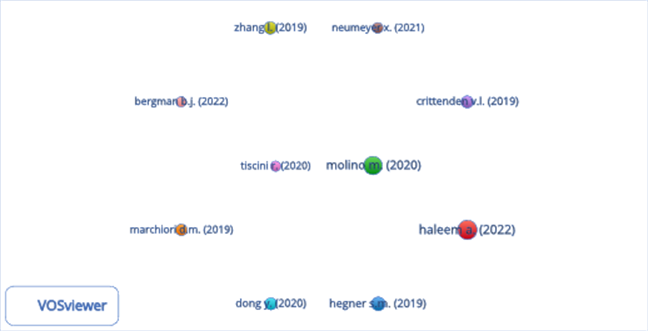
Figure 7. Citation Analysis of the Ten Most Relevant Documents
The analysis of Table 3 concerning the ten most cited documents reveals trends and patterns that align with existing literature while also expanding it. The data included in the table were obtained from RStudio through the “Most Relevant Documents” tab. Initially, the integration of technologies in specific sectors, as noted by Haleem et al. (2022) in the educational field, demonstrates synergy with previous studies such as Sherman and Wu (2020), which analyze technology adoption in surgery, highlighting precision and efficiency as motivating factors.
Table 3. Ten Most Cited Documents
|
Author of the document |
Title of the document |
TC |
|
(Haleem et al., 2022) |
"Understanding the role of digital technologies in education: A review" |
284 |
|
(Molino et al., 2020) |
"Wellbeing Costs of Technology Use during Covid-19 Remote Working: An Investigation Using the Italian Translation of the Technostress Creators Scale". |
253 |
|
(Hegner et al., 2019) |
"In Automatic We Trust: Investigating the Impact of Trust, Control, Personality Characteristics, and Extrinsic and Intrinsic Motivations on the Acceptance of Autonomous Vehicles" |
132 |
|
(L. Zhang et al., 2019) |
"Extending the Theory of Planned Behavior to Explain the Effects of Cognitive Factors across Different Kinds of Green Products" |
102 |
|
(Crittenden et al., 2019) |
"Empowering women micro-entrepreneurs in emerging economies: The role of information communications technology" |
98 |
|
(Dong et al., 2020) |
"Exploring the Structural Relationship Among Teachers’ Technostress, Technological Pedagogical Content Knowledge (TPACK), Computer Self-efficacy and School Support" |
92 |
|
(Marchiori et al., 2019) |
"Do Individual Characteristics Influence the Types of Technostress Reported by Workers?" |
88 |
|
Neumeyer et al. (2021) |
"Overcoming Barriers to Technology Adoption When Fostering Entrepreneurship Among the Poor: The Role of Technology and Digital Literacy" |
74 |
|
(Tiscini et al., 2020) |
"The blockchain as a sustainable business model innovation" |
66 |
|
(Bergman & McMullen, 2022) |
"Helping Entrepreneurs Help Themselves: A Review and Relational Research Agenda on Entrepreneurial Support Organizations" |
65 |
Furthermore, the impact of technostress is a recurring topic, as illustrated by Molino et al. (2020) and Dong et al. (2020), who address how technology can generate stress in remote work and education. This reflects concerns like those discussed in recent studies, such as the analysis by Mondo et al. (2023) on how the perception of technology affects well-being during smart working, highlighting the need for strategies to mitigate these effects.
On the other hand, the perception and adoption of technological innovations, such as autonomous vehicles studied by Hegner et al. (2019), show that trust in technology and concerns about losing control are key factors in the adoption of new technologies. This finding parallels the study by Rokhim et al. (2021), which emphasizes how perceived usefulness and trust impact technology adoption in small and medium enterprises, suggesting a focus on these aspects for greater technological acceptance.
The study by L. Zhang et al. (2019) and that of Tiscini et al. (2020) address how technologies can promote sustainable practices, highlighting entrepreneurs’ perception of sustainability as a critical factor for technology adoption. This concern is also reflected in the research by Vecchio et al. (2022), which examines precision agriculture. They emphasize the importance of tailoring technologies according to farmers’ needs to ensure they are well received.
From these findings practical implications arise, such as offering training to reduce technostress and improve confidence in emerging technologies. Additionally, developing policies for technological transition in key sectors and implementing tools that measure the impact of technology use on entrepreneurs’ well-being and productivity.
Regarding future research directions, studies are proposed to evaluate the long-term effects of technology in business areas, explore how perceptions toward technology vary across different cultures and economies, and further investigate the impact of artificial intelligence on the innovation ecosystem. Understanding how entrepreneurs perceive and adopt technologies in diverse areas is crucial to creating strategies that leverage these innovations in a technology-dependent business world. Figure 8 presents a synthesis of the analysis in this section.
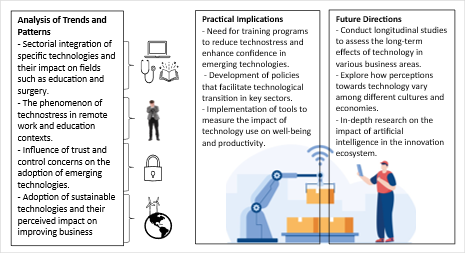
Figure 8. Summary of the Analysis of the Ten Most Cited Documents
4.4. Global Analysis of Productivity and Influence on Research on Entrepreneurs' Perception of Technology
The objective of this section is to evaluate the geographical distribution and impact of studies on entrepreneurs' perception of technology, to identify patterns of productivity and academic influence worldwide. This includes analyzing which countries and continents are most active in this area of study and how their contributions are cited globally, providing a basis for research collaboration strategies. Figure 9 was created using VOSviewer, employing a citation analysis and considering countries as the unit of analysis. A limit of up to ten countries per document was established, with a minimum requirement of fifteen documents per country and at least one hundred two citations per country. Of the seventy-one countries with documents, only ten meet the established criteria.
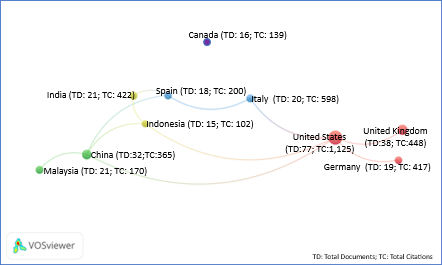
Figure 9. Analysis of Citations of the Ten Most Relevant Countries
The data shown in Figure 9 were organized in Table 4 for further analysis and discussion, including comparison with the literature, implications, and future directions.
Table 4. Productivity and Influence of the Ten Most Relevant Countries
|
Top ten countries |
TD |
TC |
Productivity & Influence |
|
China |
77 |
1125 |
High Productivity / High Influence |
|
India |
38 |
448 |
Low Productivity / Low Influence |
|
United Kingdom |
32 |
365 |
Low Productivity / Low Influence |
|
Italy |
21 |
422 |
Low Productivity / Low Influence |
|
Australia |
21 |
170 |
Low Productivity / Low Influence |
|
Brazil |
20 |
528 |
Low Productivity / Low Influence |
|
France |
19 |
417 |
Low Productivity / Low Influence |
|
Malaysia |
18 |
200 |
Low Productivity / Low Influence |
|
Germany |
16 |
139 |
Low Productivity / Low Influence |
|
United States |
15 |
102 |
Low Productivity / Low Influence |
China stands out with high productivity and significant influence in research on entrepreneurs’ perceptions of technology, evidenced by the high number of documents (77) and citations (1,125). This contrasts with other countries such as India (38 documents and 448 citations), the United Kingdom (32 documents and 365 citations), and the United States (15 documents and 102 citations), which, although contributing to the global literature, have a lesser impact in this field, reflecting an uneven distribution in productivity and academic influence (Figure 10). This phenomenon can be compared with studies such as Sherman and Wu (2020) and Suchacka (2020), which focus on specific technologies and their perceived impacts but do not necessarily address the geographic distribution of research or its global influence.
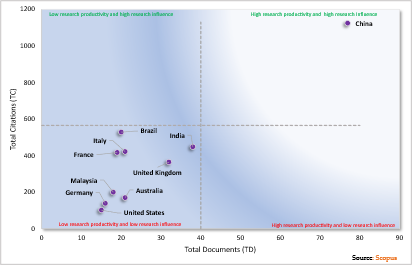
Figure 10. Productivity and Influence of the Ten Most Relevant Countries
Regarding global coverage, only 71 countries, or 36.41%, have produced documents on this topic, highlighting a notable lack of relevant literature in more than half of the countries worldwide (Figure 11). This indicates a significant disparity in contribution to this field of study, possibly due to differences in research priorities or available resources. This observation is crucial, as studies such as Ji and Goo (2021) demonstrate how the perception of the technological environment can directly influence entrepreneurial intention, suggesting that expanding research could have significant practical implications for local business development.
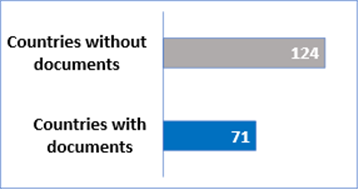
Figure 11. Countries with or without Documents
In terms of continental representation (Figure 12), Europe and Asia lead in the number of countries contributing documents, with Europe showing the highest participation (28 countries, 60.87%). In contrast, Oceania and Africa have low representation, with only 20.00% and 22.22% of the countries on these continents, respectively, which could indicate limitations in research resources or differences in academic priorities. However, the low representation in Oceania and Africa suggests that these areas could significantly benefit from policies that promote research and technological development, as indicated by the study of Mishra et al. (2023) on the influence of solar technology on rural business dynamics in India. The Americas show moderate participation (9 countries, 25.71%), pointing to a balanced involvement in this field of study.
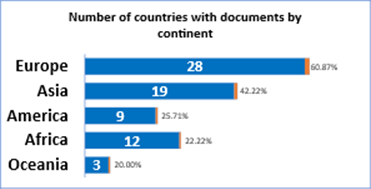
Figure 12. Countries with Documents by Continent
As for the Map of collaboration between countries (Figure 13), it was generated by RStudio from its "Social Structure". The information on the collaboration was summarized in Table 5.
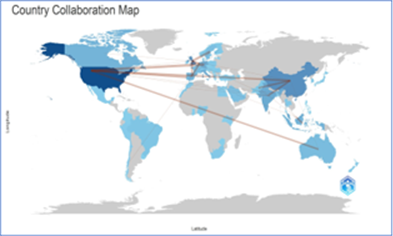
Figure 13. Cross-Country Collaboration Map (RStudio)
Table 5. Synthesis of global collaboration
|
Country |
Main Collaboration |
Collaboration Frequency |
Other Significant Collaborations |
Frequencies |
|
China |
India |
3 |
Pakistan (3), Australia (2), United Kingdom (2) |
3, 2, 2 |
|
United Kingdom |
Sweden |
4 |
Spain (2), United States (2), Netherlands (3) |
2, 2, 3 |
|
United States |
Germany |
4 |
Australia (3), China (3), United Kingdom (2) |
3, 3, 2 |
|
Spain |
Netherlands |
3 |
Finland (2), Sweden (2) |
2, 2 |
|
Malaysia |
Indonesia |
3 |
Bangladesh (2), Pakistan (2) |
2, 2 |
To analyze collaboration between countries in research within the field of study, we examined both the frequency and diversity of collaborations. Starting with China, this country shows its main collaboration with India, occurring three times (Sharma et al., 2024; Sheikh & Kumar, 2021). Additionally, China has significant collaborations with Pakistan, Australia, and the United Kingdom, reflecting a diversified collaboration network that includes both neighboring and distant countries.
On the other hand, the United Kingdom maintains Sweden as its most frequent collaborator, with four instances (Dodd et al., 2022; Talhouk et al., 2020; Widdicks et al., 2022), and establishes important ties with Spain, the United States, and the Netherlands. This pattern evidences a primarily European collaboration network but also extends transatlantic bridges, maintaining varied connections for advancing research.
Regarding the United States, this country chooses Germany as its main partner with four collaborations (Deyanova et al., 2022; Marion & Fixson, 2021), followed by Australia, China, and the United Kingdom. The selection of countries shows a balance between European and Asian collaborators, highlighting global cooperation in technological fields. Spain mostly collaborates with the Netherlands and, to a lesser extent, with Finland and Sweden (Cohen et al., 2024; van Rijnsoever & Eveleens, 2021). This orientation toward Northern Europe suggests an interest in consolidating relationships within Europe.
Finally, Malaysia prioritizes its relationship with Indonesia (Anshory et al., 2023; Rizkalla et al., 2023), as well as Bangladesh and Pakistan, indicating collaboration within its region, possibly due to cultural and logistical affinity.
For future research directions, it would be beneficial to explore the causes of low productivity and influence in countries such as the United States and to develop strategies to improve international collaboration that could increase the visibility and impact of research in less represented countries. Moreover, future studies could focus on how cultural differences and regulatory frameworks influence the perception and adoption of technologies, as suggested by the study of Zhu & Chung (2024) on augmented reality perception and interactive design.
4.5. Future Directions in the Entrepreneurial Perception of Technology
The following future research questions are designed to address emerging and unexplored areas related to entrepreneurs’ perception of technology. The selection of these questions reflects trends in the use of emerging technologies, impact areas in specific sectors, and changes in global conditions that could influence entrepreneurs’ perceptions toward technology. Table 6 is presented below with the organized questions and their respective approaches:
Table 6. Future Research Agenda
|
Approach |
Future Research Question |
|
Evolution in Technological Perception |
How have recent global events, such as the COVID-19 pandemic, influenced entrepreneurs' perception of emerging technologies and their adoption? |
|
Sectoral Impact |
What are the differences in the perception and adoption of emerging technologies between different industry sectors and what factors determine them? |
|
Influence of Literature and Sources of Knowledge |
How does the visibility and impact of the most cited publications influence the perception and technological decisions of entrepreneurs? |
|
Technology Education and Training |
What role does digital literacy play in the perception and effectiveness of the use of new technologies by entrepreneurs, and how can education programs improve this dynamic? |
|
Cultural and Technological Diversity |
How do perceptions of technology vary between different cultures and economies, and what implications does this have for the overall strategy of technological innovation? |
|
Technology & Wellness |
What is the impact of technostress on the well-being of entrepreneurs and how can these effects be mitigated through appropriate business policies and strategies? |
4.6 Synthesis of Findings on Entrepreneurs' Perception of Technology
Table 7 synthesizes the relationship between the findings and the perception of entrepreneurs towards technology, showing both the current evolution and trends and the potential areas for future research and business strategies.
Table 7. Synthesis of Findings
|
Research Question |
Key Findings |
Perception of Technology |
|
RQ1: Evolution of entrepreneurs' perception towards technology |
The perception of technologies such as blockchain, artificial intelligence and digitalization has grown significantly from 2019 to 2024, indicating a high adoption in business strategies. |
Entrepreneurs show a positive adaptation towards emerging technologies, which reflects a perception of their usefulness in innovation and business management. |
|
RQ2: Most influential sources in the perception of technology |
Journals such as "Sustainability" and "Technological Forecasting and Social Change" are highly cited and contribute significantly to knowledge in this field. |
These sources are crucial for entrepreneurs, as they provide information that can influence their technology decisions and strategies, highlighting the importance of the perception of technology in the academic literature. |
|
RQ3: Main trends in the entrepreneurial perception of technology |
Studies show the integration of technology in education and health, and the effects of technostress. |
The perception towards specific technologies and their impact indicates the need for strategies to improve trust and reduce technological stress, suggesting that entrepreneurs are aware of the challenges and benefits of technological adoption. |
|
RQ4: Global Distribution of Research on Technology Perception |
China shows high productivity and influence in research, while other countries have fewer contributions. |
It reflects a global disparity in how technology is perceived and researched, which could influence regional technology adoption and entrepreneurs' business strategies based on the availability and focus of local research. |
|
RQ5: Future Directions in the Entrepreneurial Perception of Technology |
It is suggested to explore more about the influence of global events on technology adoption and how technological perceptions vary between different cultures. |
These future research directions would help to better understand the variations in technological perception and adoption, which is vital to develop strategies that align with the needs and expectations of entrepreneurs in different contexts. |
5. Conclusions
The literature analysis reveals that entrepreneurs’ perceptions of technology have diversified, influenced by factors such as market evolution, competitive pressure, and technological advances. Studies show that theories like the Technology Acceptance Model (TAM) remain relevant for understanding how attitudes toward technology can influence the decision to adopt new tools. However, the rapid pace of technological change demands a more dynamic and adaptive approach to capture the true essence of current perceptions. From 2019 to 2024, we observed significant growth in the acceptance of emerging technologies such as artificial intelligence and blockchain, highlighting a shift in perceptions regarding their usefulness and accessibility. The adoption of these technologies is driven not only by improvements in efficiency and cost but also by greater awareness of their impact on business competitiveness and sustainability.
The findings suggest policies that promote greater technological literacy among entrepreneurs, as well as the development of infrastructures that integrate new technologies. This is crucial for enabling entrepreneurs to adopt technology to innovate and compete in a globalized market. Additionally, policies should consider mitigating the effects of technostress, promoting a healthier and more productive work environment.
Future research should explore how cultural and sectoral differences affect the perception and adoption of emerging technologies. It would also be beneficial to examine the impact of the COVID-19 pandemic on the acceleration of digitalization and how this has changed business strategies. Another valuable research line would be the study of resistance to technological change and ways to overcome it to ensure a smooth technological transition.
This study is limited to the use of a single database (Scopus), which may restrict the breadth of the literature reviewed. Additionally, bibliometric methods were employed for the analysis, which might not reflect the theoretical or methodological depth of individual studies. Articles in Press were excluded, possibly omitting recent research. Finally, the rapid changes in technologies and the business environment may affect the future relevance of the findings.
Author Contributions: The single author was responsible for all aspects of the work, including conceptualization, methodology, data collection, formal analysis, writing—original draft preparation, writing—review and editing, and project administration.
Data Availability Statement: The data is inside the article.
Conflicts of Interest: The author is a member of the editorial board of this journal. However, the manuscript was subject to a rigorous peer-review process conducted by independent reviewers with no conflict of interest. The editorial handling and decision-making process were performed impartially to ensure the integrity of the review.
References
Ali, A. (2020). Industrial development in Saudi Arabia: Disparity in growth and development. Problems and Perspectives in Management, 18(2), 23–35. https://doi.org/10.21511/ppm.18(2).2020.03
Anshory, A., Ramli, A. F., & Awang, R. (2023). The Authenticity of Theology in Scientific and Technological Thinking. Intellectual Discourse, 31(1), 283–301. https://doi.org/10.31436/id.v31i1.1859
Aria, M., & Cuccurullo, C. (2017). bibliometrix : An R-tool for comprehensive science mapping analysis. Journal of Informetrics, 11(4), 959–975. https://doi.org/10.1016/j.joi.2017.08.007
Baas, J., Schotten, M., Plume, A., Côté, G., & Karimi, R. (2020). Scopus as a curated, high-quality bibliometric data source for academic research in quantitative science studies. Quantitative Science Studies, 1(1), 377–386. https://doi.org/10.1162/qss_a_00019
Barkoczi, N., & Roman, A. F. (2023). Technology acceptance theories in students’ learning contexts. In Students’ well-being and teaching-learning efficiency during and post-pandemic period (pp. 115–125). https://www.scopus.com/record/display.uri?eid=2-s2.0-85169644519&origin=inward&txGid=959e3619dbb9e9229da88f080fa62f0a
Bergman, B. J., & McMullen, J. S. (2022). Helping Entrepreneurs Help Themselves: A Review and Relational Research Agenda on Entrepreneurial Support Organizations. Entrepreneurship: Theory and Practice, 46(3), 688–728. https://doi.org/10.1177/10422587211028736
Bradford, S. C. (1976). CLASSIC PAPER: Sources of Information on Specific Subjects. Collection Management, 1(3–4), 95–104. https://doi.org/10.1300/J105v01n03_06
Burnham, J. F. (2006). Scopus database: A review. Biomed. Digit. Libr., 3(1), 1. https://doi.org/10.1186/1742-5581-3-1
Camilleri, M. A. (2024). Factors affecting performance expectancy and intentions to use ChatGPT: Using SmartPLS to advance an information technology acceptance framework. Technological Forecasting and Social Change, 201. https://doi.org/10.1016/j.techfore.2024.123247
Cohen, J. B., Loeber, A. M. C., Marschalek, I., Bernstein, M. J., Blok, V., Tabarés, R., Gianni, R., & Griessler, E. (2024). From experimentation to structural change: fostering institutional entrepreneurship for public engagement in research and innovation. Science and Public Policy, 51(2), 324–336. https://doi.org/10.1093/scipol/scad065
Crittenden, V. L., Crittenden, W. F., & Ajjan, H. (2019). Empowering women micro-entrepreneurs in emerging economies: The role of information communications technology. Journal of Business Research, 98, 191–203. https://doi.org/10.1016/j.jbusres.2019.01.045
Deyanova, K., Brehmer, N., Lapidus, A., Tiberius, V., & Walsh, S. (2022). Hatching start-ups for sustainable growth: a bibliometric review on business incubators. Review of Managerial Science, 16(7), 2083–2109. https://doi.org/10.1007/s11846-022-00525-9
Dodd, S., Lage-Arias, S., Berglund, K., Jack, S., Hytti, U., & Verduijn, K. (2022). Transforming enterprise education: sustainable pedagogies of hope and social justice. Entrepreneurship and Regional Development, 34(7–8), 686–700. https://doi.org/10.1080/08985626.2022.2071999
Dong, Y., Xu, C., Chai, C. S., & Zhai, X. (2020). Exploring the Structural Relationship Among Teachers’ Technostress, Technological Pedagogical Content Knowledge (TPACK), Computer Self-efficacy and School Support. Asia-Pacific Education Researcher, 29(2), 147–157. https://doi.org/10.1007/s40299-019-00461-5
Dos Santos Richards, N. S. P. (2024). Insects as Food: Sustainable Foodways. In Smart Food Industry: The Blockchain for Sustainable Engineering Volume II -Current Status, Future Foods, and Global Issues (pp. 141–158). https://doi.org/10.1201/9781003231172-10
Dutta, S., & Shivani, S. (2023). Acceptance and use of e-commerce technology among female entrepreneurs of micro and small businesses in India: analysis of determinants. International Journal of Business Innovation and Research, 31(3), 356–377. https://doi.org/10.1504/IJBIR.2023.132898
Espina-Romero, L., & Guerrero-Alcedo, J. (2022). Fields Touched by Digitalization: Analysis of Scientific Activity in Scopus. Sustainability (Switzerland), 14(21), 14425. https://doi.org/10.3390/su142114425
Espina-Romero, L., Noroño Sánchez, J. G., Gutierrez Hurtado, H., Dworaczek Conde, H., Solier Castro, Y., Cervera Cajo, L., & Rio Corredoira, J. (2023). Which Industrial Sectors Are Affected by Artificial Intelligence? A Bibliometric Analysis of Trends and Perspectives. Sustain., 15(16), 12176. https://doi.org/10.3390/su151612176
Golja, T., & Paulišić, M. (2021). Managing-technology enhanced tourist experience: The case of scattered hotels in istria . Management (Croatia), 26(1), 63–95. https://doi.org/10.30924/MJCMI.26.1.5
González-Pereira, B., Guerrero-Bote, V. P., & Moya-Anegón, F. (2010). A new approach to the metric of journals’ scientific prestige: The SJR indicator. Journal of Informetrics, 4(3), 379–391. https://doi.org/10.1016/j.joi.2010.03.002
Gonzalez-Tamayo, L. A., Maheshwari, G., Bonomo-Odizzio, A., & Krauss-Delorme, C. (2024). Successful business behaviour: An approach from the unified theory of acceptance and use of technology (UTAUT). International Journal of Management Education, 22(2). https://doi.org/10.1016/j.ijme.2024.100979
Gupta, V., & Yang, H. (2024). Generative Artificial Intelligence (AI) Technology Adoption Model for Entrepreneurs: Case of ChatGPT. Internet Reference Services Quarterly, 28(2), 223–242. https://doi.org/10.1080/10875301.2023.2300114
Haleem, A., Javaid, M., Qadri, M. A., & Suman, R. (2022). Understanding the role of digital technologies in education: A review. Sustainable Operations and Computers, 3, 275–285. https://doi.org/10.1016/j.susoc.2022.05.004
Hall, C. M., & Williams, A. M. (2019). Tourism and innovation. In Tourism and Innovation. Taylor and Francis. https://doi.org/10.4324/9781315162836
Hegner, S. M., Beldad, A. D., & Brunswick, G. J. (2019). In Automatic We Trust: Investigating the Impact of Trust, Control, Personality Characteristics, and Extrinsic and Intrinsic Motivations on the Acceptance of Autonomous Vehicles. International Journal of Human-Computer Interaction, 35(19), 1769–1780. https://doi.org/10.1080/10447318.2019.1572353
Hirsch, J. E. (2005). An index to quantify an individual’s scientific research output. Proceedings of the National Academy of Sciences, 102(46), 16569–16572. https://doi.org/10.1073/pnas.0507655102
Jaiswal, R., Gupta, S., & Tiwari, A. K. (2022). DELINEATION OF BLOCKCHAIN TECHNOLOGY IN FINANCE: A SCIENTOMETRIC VIEW. Annals of Financial Economics, 17(4). https://doi.org/10.1142/S2010495222500257
Ji, I., & Goo, J. (2021). Pre-Entrepreneurs’ Perception of the Technology Regime and Their Entrepreneurial Intentions in Korean Service Sectors. Journal of Open Innovation: Technology, Market, and Complexity, 7(3), 179. https://doi.org/10.3390/joitmc7030179
Kožuh, I., & Čakš, P. (2023). Social Media Fact-Checking: The Effects of News Literacy and News Trust on the Intent to Verify Health-Related Information. Healthcare, 11(20), 2796. https://doi.org/10.3390/healthcare11202796
Kulkanjanapiban, P., & Silwattananusarn, T. (2022). Comparative analysis of Dimensions and Scopus bibliographic data sources: An approach to university research productivity. International Journal of Electrical and Computer Engineering, 12(1), 706–720. https://doi.org/10.11591/ijece.v12i1.pp706-720
Lagrosen, S., Nilsson, A.-L., & Nilsson, L. (2019). Creating a market for eHealth entrepreneurs. 14th European Conference on Innovation and Entrepreneurship, ECIE 2019, 1, 566–571. https://doi.org/10.34190/ECIE.19.106
Losacker, S., Horbach, J., & Liefner, I. (2023). Geography and the speed of green technology diffusion. Industry and Innovation, 30(5), 531–555. https://doi.org/10.1080/13662716.2022.2071237
Lund, B. D., Omame, I., Tijani, S., & Agbaji, D. (2020). Perceptions toward artificial intelligence among academic library employees and alignment with the diffusion of innovations’ adopter categories. College and Research Libraries, 81(5), 865–882. https://doi.org/10.5860/crl.81.5.865
Marchiori, D. M., Mainardes, E. W., & Rodrigues, R. G. (2019). Do Individual Characteristics Influence the Types of Technostress Reported by Workers? International Journal of Human-Computer Interaction, 35(3), 218–230. https://doi.org/10.1080/10447318.2018.1449713
Marion, T. J., & Fixson, S. K. (2021). The Transformation of the Innovation Process: How Digital Tools are Changing Work, Collaboration, and Organizations in New Product Development*. Journal of Product Innovation Management, 38(1), 192–215. https://doi.org/10.1111/jpim.12547
McAllister, J. T., Lennertz, L., & Atencio Mojica, Z. (2022). Mapping A Discipline: A Guide to Using VOSviewer for Bibliometric and Visual Analysis. Science and Technology Libraries, 41(3), 319–348. https://doi.org/10.1080/0194262X.2021.1991547
Merkulova, I. G. (2023). UNESCO Graphic Novel “Inside AI”: Issues of Semiotic Interpretation. Filosofiya Nauki i Tehniki, 28(2), 102–119. https://doi.org/10.21146/2413-9084-2023-28-2-102-119
Mishra, R., Shiradkar, S., Werner, K., Maria, T., Kumar, P., Venkateswaran, J., & Solanki, C. S. (2023). Dynamics of solar energy entrepreneurship in rural Bihar, India. Energy for Sustainable Development, 76, 101269. https://doi.org/10.1016/j.esd.2023.101269
Molino, M., Ingusci, E., Signore, F., Manuti, A., Giancaspro, M. L., Russo, V., Zito, M., & Cortese, C. G. (2020). Wellbeing costs of technology use during Covid-19 remote working: An investigation using the Italian translation of the technostress creators scale. Sustainability (Switzerland), 12(15). https://doi.org/10.3390/SU12155911
Mondo, M., Pileri, J., Barbieri, B., Bellini, D., & De Simone, S. (2023). The Role of Techno-Stress and Psychological Detachment in the Relationship between Workload and Well-Being in a Sample of Italian Smart Workers: A Moderated Mediated Model. Social Sciences, 12(10), 530. https://doi.org/10.3390/socsci12100530
Mukherjee, D., Lim, W. M., Kumar, S., & Donthu, N. (2022). Guidelines for advancing theory and practice through bibliometric research. Journal of Business Research, 148, 101–115. https://doi.org/10.1016/j.jbusres.2022.04.042
Neeragatti, S., Dehury, R. K., & Sripathi, N. (2023). DETERMINANTS OF DIGITAL HEALTH INFORMATION SEARCH (DHIS) BEHAVIOUR: EXTENDING UTAUT WITH HEALTHCARE BEHAVIOUR CONSTRUCTS. Asia Pacific Journal of Health Management, 18(1). https://doi.org/10.24083/apjhm.v18i1.1685
Neumeyer, X., Santos, S. C., & Morris, M. H. (2021). Overcoming barriers to technology adoption when fostering entrepreneurship among the poor: The role of technology and digital literacy. IEEE Transactions on Engineering Management, 68(6), 1605–1618. https://doi.org/10.1109/TEM.2020.2989740
Oktavia, B., & Sfenrianto. (2022). ASSESSING THE USE OF E-PAYMENT IN CULINARY BUSINESSES DRIVEN BY THE TRUST FACTOR IN TECHNOLOGY ACCEPTANCE MODEL. Journal of Theoretical and Applied Information Technology, 100(11), 3588–3601. https://www.jatit.org/volumes/Vol100No11/9Vol100No11.pdf
Omwenga, B., & Waema, T. (2021). An ecosystem enabled framework for digital co-operation: A collaborative platform that supports technology enabled entrepreneurship. 2021 IST-Africa Conference, IST-Africa 2021. https://ieeexplore.ieee.org/abstract/document/9576943
Page, M. J., McKenzie, J. E., Bossuyt, P. M., Boutron, I., Hoffmann, T. C., Mulrow, C. D., Shamseer, L., Tetzlaff, J. M., Akl, E. A., Brennan, S. E., Chou, R., Glanville, J., Grimshaw, J. M., Hróbjartsson, A., Lalu, M. M., Li, T., Loder, E. W., Mayo-Wilson, E., McDonald, S., … Moher, D. (2021). The PRISMA 2020 statement: an updated guideline for reporting systematic reviews. BMJ, 372, n71. https://doi.org/10.1136/bmj.n71
Pranckutė, R. (2021). Web of Science (WoS) and Scopus: the titans of bibliographic information in today’s academic world. Publications, 9(1). https://doi.org/10.3390/publications9010012
Rachmi, I. F., Asta, F. R., & Kartiko, N. D. (2023). The Effects of Perceived Ease of Use, Perceived Usefulness, and Computer Self-Efficacy on e-Nofa Application User Satisfaction. 4th International Conference of Biospheric Harmony Advanced Research, ICOBAR 2022, 388. https://doi.org/10.1051/e3sconf/202338804017
Rathakrishnan, T., Feranita, F., Leong, L. W., Yi, Y. J., & Mouawad, R. (2022). Evolution of Entrepreneurship Development Among Different Generations in Adopting Technology in Malaysia: Towards a Reconciliation for Collaboration. In Innovation in ASEAN: Change and Development (pp. 53–64). https://doi.org/10.1007/978-981-19-0644-2_4
Read, C. L. (2022). The Bitcoin Dilemma: Weighing the Economic and Environmental Costs and Benefits. In The Bitcoin Dilemma: Weighing the Economic and Environmental Costs and Benefits. https://doi.org/10.1007/978-3-031-09138-4
Rizkalla, N., Lestari, E. D., Othman, N., Joremi, L., & Arinto, B. (2023). ELUCIDATING THE FACTORS AFFECTING ENTREPRENEURS’ INTENTION TO ADOPT SOCIAL MEDIA IN THEIR BUSINESS: A PERSPECTIVE FROM INDONESIA . International Journal of Professional Business Review, 8(5). https://doi.org/10.26668/businessreview/2023.v8i5.1413
Roberts, R., Flin, R., Millar, D., & Corradi, L. (2021). Psychological factors influencing technology adoption: A case study from the oil and gas industry. Technovation, 102. https://doi.org/10.1016/j.technovation.2020.102219
Rokhim, R., Mayasari, I., & Wulandari, P. (2021). The factors that influence small and medium enterprises’ intention to adopt the government credit program. Journal of Research in Marketing and Entrepreneurship, 23(1), 175–194. https://doi.org/10.1108/JRME-01-2020-0013
Sahar, H. R., Mahbob, M. H., & Mahmud, W. A. W. (2021). Exploratory Factor Analysis for SME Entrepreneur Subjective Norm Instrument towards e-Commerce Acceptance during the COVID-19 Pandemic . Jurnal Komunikasi: Malaysian Journal of Communication, 37(4), 237–253. https://doi.org/10.17576/JKMJC-2021-3704-14
Santaella, L. (2022). Artificial Intelligence and Creativity Under Interrogation. In Springer Series on Cultural Computing (pp. 43–56). https://doi.org/10.1007/978-3-031-10960-7_3
Sharma, R., Mehta, K., & Yu, P. (2024). Fostering innovation in venture capital and startup ecosystems. In Fostering Innovation in Venture Capital and Startup Ecosystems. https://doi.org/10.4018/979-8-3693-1326-8
Sheikh, F. A., & Kumar, H. (2021). Grassroots innovation: Mainstreaming the discourse of informal sector. In Handbook on Alternative Theories of Innovation (pp. 212–232). https://doi.org/10.4337/9781789902303.00024
Sherman, W. F., & Wu, V. J. (2020). Robotic Surgery in Total Joint Arthroplasty: A Survey of the AAHKS Membership to Understand the Utilization, Motivations, and Perceptions of Total Joint Surgeons. The Journal of Arthroplasty, 35(12), 3474-3481.e2. https://doi.org/10.1016/j.arth.2020.06.072
Štěrbová, M., Výbošťok, J., & Šálka, J. (2021). A classification of eco-innovators: Insights from the Slovak forestry service sector. Forest Policy and Economics, 123. https://doi.org/10.1016/j.forpol.2020.102356
Suchacka, M. (2020). Corporate Digital Responsibility - A New Dimension of the Human - Technology Relations. System Safety: Human - Technical Facility - Environment, 2(1), 1–8. https://doi.org/10.2478/czoto-2020-0001
Suwanan, A. F., & Allya, H. R. (2023). Investigating the Factors and Behaviors Influencing Entrepreneurial Intention in Agricultural Sectors among Indonesian Millennials. International Conference on Agricultural Sustainability 2022, ICAS 2022, 1246(1). https://doi.org/10.1088/1755-1315/1246/1/012037
Talhouk, R., Coles-Kemp, L., Jensen, R. B., Balaam, M., Garbett, A., Ghattas, H., Araujo-Soares, V., Ahmad, B., & Montague, K. (2020). Food Aid Technology: The Experience of a Syrian Refugee Community in Coping with Food Insecurity. Proceedings of the ACM on Human-Computer Interaction, 4(CSCW2). https://doi.org/10.1145/3415205
Tanković, A. C., Prodan, M. P., & Benazić, D. (2023). Consumer Segments in Blockchain Technology Adoption. South East European Journal of Economics and Business, 18(2), 162–172. https://doi.org/10.2478/jeb-2023-0025
Tiscini, R., Testarmata, S., Ciaburri, M., & Ferrari, E. (2020). The blockchain as a sustainable business model innovation. Management Decision, 58(8), 1621–1642. https://doi.org/10.1108/MD-09-2019-1281
van Eck, N. J., & Waltman, L. (2007). VOS: A New Method for Visualizing Similarities Between Objects. In Studies in Classification, Data Analysis, and Knowledge Organization (pp. 299–306). https://doi.org/10.1007/978-3-540-70981-7_34
van Eck, N. J., & Waltman, L. (2010). Software survey: VOSviewer, a computer program for bibliometric mapping. Scientometrics, 84(2), 523–538. https://doi.org/10.1007/s11192-009-0146-3
van Rijnsoever, F. J., & Eveleens, C. P. (2021). Money Don’t matter? How incubation experience affects start-up entrepreneurs’ resource valuation. Technovation, 106. https://doi.org/10.1016/j.technovation.2021.102294
Vecchio, Y., Di Pasquale, J., Del Giudice, T., Pauselli, G., Masi, M., & Adinolfi, F. (2022). Precision farming: what do Italian farmers really think? An application of the Q methodology. Agricultural Systems, 201, 103466. https://doi.org/10.1016/j.agsy.2022.103466
Wang, Q., & Zhao, G. (2023). Exploring the influence of technostress creators on in-service teachers’ attitudes toward ICT and ICT adoption intentions. British Journal of Educational Technology, 54(6), 1771–1789. https://doi.org/10.1111/bjet.13315
Widdicks, K., Remy, C., Bates, O., Friday, A., & Hazas, M. (2022). Escaping unsustainable digital interactions: Toward “more meaningful” and “moderate” online experiences. International Journal of Human Computer Studies, 165. https://doi.org/10.1016/j.ijhcs.2022.102853
Ying, Z., Ahmad, I., Mateen, S., Zia, A., Ambreen, Nazir, S., & Mukhtar, N. (2021). An Overview of Computational Models for Industrial Internet of Things to Enhance Usability. Complexity, 2021, 1–11. https://doi.org/10.1155/2021/5554685
Zhang, L., Fan, Y., Zhang, W., & Zhang, S. (2019). Extending the theory of planned behavior to explain the effects of cognitive factors across different kinds of green products. Sustainability (Switzerland), 11(15). https://doi.org/10.3390/su11154222
Zhang, W., Siyal, S., Riaz, S., Ahmad, R., Hilmi, M. F., & Li, Z. (2023). Data Security, Customer Trust and Intention for Adoption of Fintech Services: An Empirical Analysis From Commercial Bank Users in Pakistan. SAGE Open, 13(3). https://doi.org/10.1177/21582440231181388
Zhu, P., & Chung, W. (2024). Designing the presentation of Dunhuang fresco art based on perceptron technology in the context of artificial intelligence. Applied Mathematics and Nonlinear Sciences, 9(1). https://doi.org/10.2478/amns.2023.2.00135
Zulfiqar, S., Al-Reshidi, H. A., Al Moteri, M. A., Feroz, H. M. B., Yahya, N., & Al-Rahmi, W. M. (2021). Understanding and predicting students’ entrepreneurial intention through business simulation games: A perspective of covid-19. Sustainability (Switzerland), 13(4), 1–27. https://doi.org/10.3390/su13041838
Zupic, I., & Čater, T. (2015). Bibliometric Methods in Management and Organization. Organizational Research Methods, 18(3), 429–472. https://doi.org/10.1177/1094428114562629
Disclaimer/Publisher’s Note: The statements, opinions, and data contained in all publications are solely those of the individual authors and contributors, and do not necessarily reflect those of Ceniiac Journal of Negocios Globales, its publisher, or the editors. Neither the journal, the publisher, nor the editors assume responsibility for any harm to people or property resulting from the use of any ideas, methods, instructions, or products mentioned in the content.