
Research Article
Entrepreneurial Creativity, Teaching, and Practical Performance: A Structural Model in Public Universities of Apurímac
1 Escuela Profesional de Administración de Empresas, Universidad Nacional José María Arguedas, Andahuaylas 030201, Peru; https://orcid.org/0000-0002-0053-8244
* Correspondence: sguillen@unajma.edu.pe
Received: 2025-11-10 | Revised: 2025-12-16 | Accepted: 2025-12-20 | Published: 2025-12-21
Citation: Guillen Cuba, S. Entrepreneurial Creativity, Teaching, and Practical Performance: A Structural Model in Public Universities of Apurímac. Ceniiac, e0008. https://doi.org/10.64923/ceniiac.e0008
Copyright: © 2025 by the authors. Licensee Negocios Globales, Maracaibo, Venezuela. This article is an Open Access article distributed under the terms and conditions of the Creative Commons Attribution (CC BY) license.
ISSN: 3105-6237 (online).


Abstract: Entrepreneurial education is a key component of higher education, particularly in regional contexts with limited resources such as Apurímac. However, there is limited evidence on how creativity, teaching, and practical performance interact within public universities in the Andean region. This study employed a quantitative, explanatory, and cross-sectional design. A validated questionnaire was administered to 304 students from two public universities in Apurímac. Data were analyzed using Partial Least Squares Structural Equation Modeling (PLS-SEM), assessing validity, reliability, and structural effects. Entrepreneurial creativity showed a strong effect on teaching and an even stronger effect on practical performance, becoming the most influential predictor in the model. Teaching also exhibited a direct and significant, though moderate, effect on practical performance. The findings demonstrate that creativity is a central driver of entrepreneurial learning in educational contexts with structural constraints. Likewise, teaching contributes to the development of practical competencies, although its impact depends on institutional conditions. This study provides theoretical and practical insights to strengthen entrepreneurial education in regional public universities.
Keywords: entrepreneurial creativity; entrepreneurship education; practical performance; higher education; PLS-SEM; public universities in Apurímac
1. Introduction
The development of the entrepreneurial profile among university students is recognized as a key factor for driving innovation and economic growth, particularly in regions where resources and opportunities are limited. Higher education plays a decisive role in this process by promoting entrepreneurial capabilities that enable future professionals to identify opportunities and operate in complex environments (Miralles et al., 2016; Murray & Crammond, 2020). This need becomes especially relevant in contexts such as the Apurímac region, where public universities face structural constraints that hinder the implementation of advanced instructional methodologies and practice-oriented entrepreneurial experiences.
Despite the global expansion of entrepreneurship education, gaps remain in understanding how internal components of entrepreneurship—such as Entrepreneurial Creativity (EC)—interact with pedagogical processes and opportunities for practical application in non-metropolitan regional settings. Prior literature suggests that EC is an essential element of the entrepreneurial profile, closely linked to idea generation, problem-solving, and opportunity recognition (Murray & Crammond, 2020; Onalan et al., 2020). However, there is limited empirical evidence on how EC interacts with Entrepreneurial Teaching (ET) and Practical Performance (PP) in public universities located in Andean regions, where sociocultural and educational dynamics differ considerably from those in more extensively studied urban institutions.
Entrepreneurship education has been examined through frameworks that emphasize the integration of discovery, ET, application, and integration processes, following experiential learning approaches and progressive instructional models originally proposed by Ernest Boyer, as discussed by MacAulay et al. (2020). Nevertheless, little is known about how these processes materialize in institutions that operate under constraints related to infrastructure, faculty availability, and unequal access to technological resources. The lack of studies in settings such as Apurímac limits comprehensive understanding of entrepreneurial training and the factors that enhance or restrict students’ PP.
Within this context, the purpose of the present study is to analyze the relationship between EC within the entrepreneurial profile, ET in entrepreneurship education, and PP among students from public universities in Apurímac. This objective responds to the need for empirical evidence that clarifies how personal and pedagogical factors interact in entrepreneurial training within institutions facing structural challenges. By focusing on an understudied Andean region, this work expands existing literature and strengthens ongoing discussions about entrepreneurship education in emerging contexts. The contribution of this study is twofold. Theoretically, it extends previous findings by examining EC, ET, and PP through an integrated perspective grounded in conceptual models of the entrepreneurial profile and entrepreneurship education (MacAulay et al., 2020; Miralles et al., 2016; Murray & Crammond, 2020). Practically, it provides relevant evidence to guide educational policies and pedagogical strategies in regional public universities, contributing to the design of programs that strengthen students’ creativity and foster learning experiences with greater real-world applicability.
Finally, the article is structured coherently to address the research problem with conceptual and methodological rigor. Following this introduction, the Theoretical Framework develops the conceptual and empirical foundations supporting the constructs of EC, ET, and PP. This is followed by the development of hypotheses derived from these theoretical foundations. The methodology is then presented, followed by the results and their discussion. The article concludes with practical implications, limitations, and recommendations for future research, thus establishing a clear bridge between theory and the empirical evidence that supports this study.
2. Theoretical Framework
This theoretical framework examines the three central dimensions of the study: EC within the entrepreneurial profile, ET in entrepreneurship education, and PP. It explains their conceptual relevance, evolution in literature, and direct connection to the training of university students in regional public institutions. This analysis provides the foundation for the study’s hypotheses and establishes a solid basis for interpreting the results.
2.1. Key Definitions and Conceptual Delimitation
2.1.1. Entrepreneurial Creativity (EC)
EC is recognized as a distinguishing characteristic of entrepreneurs, associated with generating original ideas and solving problems innovatively (Castro et al., 2022; Powers et al., 2021). According to Sung and Duarte (2015), EC is part of a broader set of essential entrepreneurial qualities, including initiative, autonomy, and confidence. Borjas de Xena (2012) defines EC as the capacity to produce original solutions to complex situations, a decisive attribute in entrepreneurial processes. Benevolo et al. (2021) further emphasize that intelligence grounded in creativity represents an inherent outcome of the entrepreneurial profile. Although its relevance is widely acknowledged, debates persist on whether EC should be understood as an innate trait, an acquired skill, or a dynamic process shaped by the environment. Nevertheless, the literature converges in identifying EC as indispensable for designing value propositions and adapting to changing scenarios.
2.1.2. Entrepreneurial Teaching (ET)
ET in higher education refers to the process through which institutions instruct, develop, and stimulate entrepreneurial skills using innovative, practical, and technology-enhanced methodologies (Gorevaya & Pasko, 2021; Miranda et al., 2020). This dimension includes training in startup activities, the implementation of simulations, the use of artificial intelligence tools, experiential learning strategies, and interdisciplinary integration (Ilagan, 2023; Lang et al., 2024; Salamzadeh et al., 2022). Bragelien and Voldsund (2024) highlight that entrepreneurial teaching should be experiential and collaborative, incorporating industry mentors and real-world challenges. Despite these advancements, debates continue regarding the optimal level of technological integration and the pedagogical approaches that yield the most sustainable learning outcomes, particularly in resource-limited settings such as regional public universities.
2.1.3. Practical Performance (PP)
PP refers to a student’s ability to apply entrepreneurial skills, knowledge, and attitudes in real or simulated situations (Tan et al., 2024; Vankov & Wang, 2024). This includes identifying opportunities, solving problems, formulating initiatives, and using contextual experiences to strengthen entrepreneurial self-efficacy. Syed et al. (2024) argue that PP is enhanced when institutions provide structural support such as entrepreneurship centers and resources for practical activities. Shao et al. (2024) expand the concept through the 4H model (Head, Hand, Heart, Help), emphasizing technical skills, entrepreneurial mindset, and institutional support. Although consensus exists regarding its importance, research diverges in how PP should be measured and how it articulates with ET in settings with limited resources.
2.2. Review of Background and Previous Findings
Recent studies consistently show that EC is a determinant of entrepreneurial behavior, particularly among students navigating rapidly changing environments (Anjum et al., 2021; Shahab et al., 2019). In emerging regions, EC is also linked to subjective well-being, satisfaction, and adaptability (Caballero García et al., 2019). Regarding ET, contemporary approaches prioritize nonlinear, active, and technology-supported methods such as computer-based simulations and AI-driven tutoring systems (Ilagan, 2023). However, prior research warns that the effectiveness of these methodologies depends on infrastructure, faculty training, and resource availability—factors that vary substantially between public and private universities (Lang et al., 2024; Miranda et al., 2020). With respect to PP, studies conducted in Asian and European contexts demonstrate that experiential learning enhances self-efficacy, opportunity identification, and the ability to generate real solutions (Shankar & Corbett, 2024; Tan et al., 2024). Nevertheless, empirical evidence remains scarce in regional Latin American settings, where institutional structures and resource conditions differ notably from those of the dominant international models.
2.3. Gaps and Knowledge Vacuums
The review reveals several gaps that justify the relevance of the present study. There is limited empirical evidence from Andean regions such as Apurímac, especially in public universities with unique socioeconomic and educational characteristics. Research has scarcely explored EC, ET, and PP together, despite their recognition as complementary components of entrepreneurial development. Existing models do not adequately explain how ET processes influence PP among students with unequal access to technological infrastructure or innovative methodologies. Finally, the role of EC as a driver of both entrepreneurial learning and entrepreneurial practice remains insufficiently understood in contexts with fewer opportunities for engagement with formal entrepreneurial ecosystems. These gaps are critical because entrepreneurial training in regional public universities constitutes a powerful mechanism for promoting social mobility, local innovation, and territorial development.
2.4. Theoretical Models and Reference Frameworks
This study draws on three interconnected theoretical bodies: Theories of the entrepreneurial profile, which position EC as a foundational trait and process for generating ideas and opportunities (Castro et al., 2022; Powers et al., 2021). Innovative ET approaches, which incorporate experiential methodologies, simulations, AI-supported learning, and industry collaboration (Bragelien & Voldsund, 2024; Ilagan, 2023; Salamzadeh et al., 2022). Experiential learning theories, such as Kolb’s Cycle and the quasi-practice approach, which describe how PP is consolidated through real or simulated experiences (Shankar & Corbett, 2024; Tan et al., 2024). These frameworks present limitations: their effectiveness depends heavily on institutional resources and contextual conditions, and many have been developed in environments with favorable educational and technological infrastructures that do not reflect the reality of Andean public universities.
2.5. Relationship to the Study Hypotheses
The hypotheses derive from the conceptual articulation reviewed. EC is considered an antecedent of both ET and PP, as it fosters the generation of original ideas and the identification of opportunities (H1 and H2). ET is viewed as a structural mechanism that directly influences entrepreneurial practice by providing knowledge, experiential activities, and methodological tools that translate into applied capabilities (H3). Given the empirical gap in regional public contexts—particularly in Apurímac—this study is necessary to understand how these relationships manifest in educational environments characterized by structural limitations but high entrepreneurial potential. The proposed model for this study is presented in Figure 1.
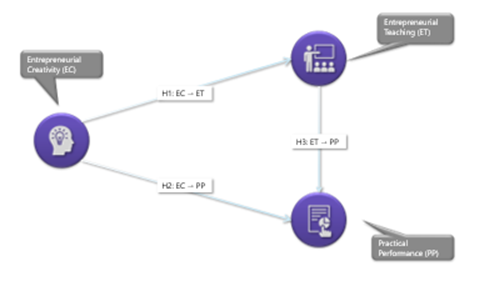
Figure 1. Model proposed in this study.
3. Hypotheses development
EC is a central characteristic of the entrepreneurial profile. Recent studies emphasize that entrepreneurs generate original ideas, identify opportunities, and solve problems in innovative ways (Castro et al., 2022; Powers et al., 2021). In educational contexts, EC is strengthened through ET processes designed to stimulate innovative thinking and promote entrepreneurship-related activities. Entrepreneurial teaching integrates active methodologies, simulations, experiential learning, and instruction aimed at developing creative skills (Gorevaya & Pasko, 2021; Miranda et al., 2020; Salamzadeh et al., 2022). Since EC enhances students’ ability to engage in educational activities linked to entrepreneurship, it is reasonable to expect that students with higher EC will perceive university-based ET as a learning environment that complements and strengthens their abilities. Therefore, the first hypothesis is proposed:
H1: EC has a positive effect on the stage of ET in entrepreneurship education.
The entrepreneurship literature argues that EC enables individuals to identify opportunities, reorganize information, and confront problems in original ways (Anjum et al., 2021; Shahab et al., 2019). These capabilities are essential for PP, understood as the real or simulated application of entrepreneurial skills. PP is expressed in a student’s ability to act in real settings, resolve situations, and formulate initiatives (Tan et al., 2024; Vankov & Wang, 2024). Students with higher EC tend to generate novel solutions and act with greater flexibility, contributing to stronger PP in entrepreneurial activities. Caballero et al. (2019) note that EC supports adaptation to changing environments, a key element for developing practical competencies. Therefore, the second hypothesis is proposed:
H2: EC has a positive effect on PP in entrepreneurship education.
ET in entrepreneurship education employs methods aimed at preparing students to act in real contexts through experiential activities, simulations, collaborative projects, and the integration of technologies such as artificial intelligence (Bragelien & Voldsund, 2024; Ilagan, 2023; Salamzadeh et al., 2022). These methodologies help develop technical, communicative, and cognitive skills needed for entrepreneurship. Furthermore, recent studies show that teaching approaches that promote creativity, innovation, and hands-on learning improve entrepreneurial readiness (Jin, 2024; Lang et al., 2024). PP depends largely on the quality and focus of ET. Active methods allow students to apply knowledge, identify opportunities, and solve problems effectively, as noted by Tan et al. (2024) and Syed et al. (2024). In regional public universities, this relationship is particularly relevant because students rely on institutional training to access experiences that strengthen their entrepreneurial practice. From this, the third hypothesis arises:
H3: ET has a positive effect on PP in entrepreneurship education
4. Materials and Methods
4.1. Research Design
This study was conducted under a quantitative approach (Hernández-Sampiere & Mendoza, 2018; Martins Dias Ferreira et al., 2018). The scope was explanatory, as it sought to analyze the effect of EC within the entrepreneurial profile on ET and PP in entrepreneurship education (Hernández-Sampiere & Mendoza, 2018). The design was non-experimental and cross-sectional, since the variables were measured at a single point in time and in their natural context, without manipulating the instructional processes (Jefferson & Demicheli, 1999).
4.2. Population, Sample, and Sampling
The population consisted of 930 students from the Professional Schools of Business Administration at two public universities in the Apurímac region, from the second to the tenth academic cycle, according to institutional academic records. The sample was non-probabilistic and based on convenience, considering student accessibility and willingness to participate (Otzen & Manterola, 2017). A total of 304 questionnaires were administered, an adequate sample size for structural equation modeling (J. F. Hair et al., 2019).
4.3. Measurement Instrument
The questionnaire was designed based on the theoretical framework of the entrepreneurial profile and entrepreneurship education (Ajzen, 1991; Miralles et al., 2016; Murray & Crammond, 2020). This study used three latent constructs: EC within the entrepreneurial profile (5 items), ET in entrepreneurship education (6 items), and PP (8 items). Table 1 presents the questionnaire and its items.
Table 1. Questionnaire Used in This Study.
|
Category |
Items |
|
Entrepreneurial Creativity (EC) |
EC1. I can create very original ideas that are useful to others. |
|
EC2. I see opportunities where others do not. |
|
|
EC3. I freely express my creative ideas based on what I learn at the university. |
|
|
EC4. I quickly detect changes in the market. |
|
|
EC5. I am flexible to change. |
|
|
Entrepreneurial Teaching (ET) |
ET1. The instruction I receive at the university encourages me to be creative. |
|
ET2. The concepts taught by my professors relate to the creation of new businesses. |
|
|
ET3. The objectives of my classes include entrepreneurship education activities. |
|
|
ET4. Academic sessions promote entrepreneurial capacity. |
|
|
ET5. At the university I am taught business-related content. |
|
|
ET6. The concepts I learn are related to entrepreneurship topics. |
|
|
Practical Performance (PP) |
PP1. The skills I possess are useful for entrepreneurship. |
|
PP2. I learn various topics on my own. |
|
|
PP3. I tend to solve different situations quickly. |
|
|
PP4. I quickly identify a problem. |
|
|
PP5. I identify opportunities quickly. |
|
|
PP6. I create entrepreneurial initiatives that are attractive for my field. |
|
|
PP7. I apply what I have learned in practice. |
|
|
PP8. I identify practical examples that will help me perform in my career. |
4.4. Data Collection, Processing, and Analysis
Data collection took place between March and May 2023. To test the model, the study employed Partial Least Squares Structural Equation Modeling (PLS-SEM) using SmartPLS 4 (Ringle et al., 2024), given the explanatory orientation of the research, the sample size, and the interest in maximizing the explained variance of endogenous constructs (J. Hair et al., 2017, 2019; J. F. Hair et al., 2011; Sarstedt et al., 2014). The evaluation of the measurement model included internal reliability (Cronbach’s alpha, rho_A, and composite reliability), convergent validity through AVE and factor loadings, and discriminant validity using the Fornell–Larcker criterion and the HTMT index (Cronbach, 1951; Fornell & Larcker, 1981; Henseler et al., 2015). In the structural model, path coefficients, t- and p-values, 95% confidence intervals, coefficients of determination (R²), and effect sizes (f²) were analyzed—classifying f² as small (0.02), medium (0.15), or large (0.35), according to Hair et al. (2019). Figure 2 illustrates the methodological steps of this study.
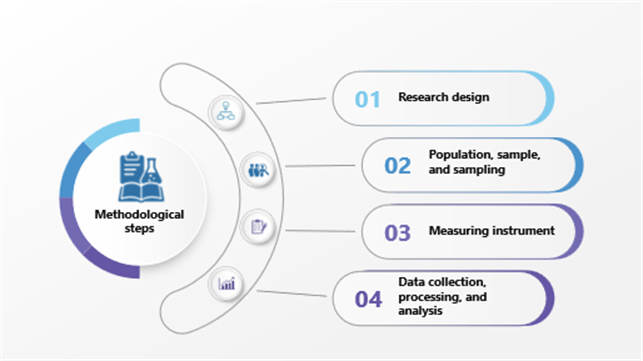
Figure 2. Methodological steps are applied in this research.
4.5. Ethical Considerations
This study adhered to ethical principles for research involving human participants. Student participation was voluntary, with no collection of identifiable personal data. Participants were informed about the study’s objectives, the confidentiality of their information, and their right to decline participation or withdraw at any time without academic consequences. Institutional authorities from both universities provided written consent prior to the administration of the questionnaire, in accordance with national ethical guidelines for research in higher education.
5. Results
5.1. Construct Validity and Reliability
Internal reliability was assessed using Cronbach’s alpha, rho_A, and Composite Reliability (rho_c). According to Hair et al. (2019), values equal to or greater than 0.70 indicate adequate construct consistency (Table 2). In the case of EC, the coefficients were α = 0.886, rho_A = 0.888, and rho_c = 0.917, demonstrating high reliability and internal stability. The ET construct showed α = 0.918, rho_A = 0.919, and rho_c = 0.936; these values represent an excellent level of consistency and do not suggest excessive redundancy, as they remain below the upper limit of 0.95 recommended by Hair et al. Finally, the PP construct obtained α = 0.930, rho_A = 0.931, and rho_c = 0.943, confirming solid reliability even with a relatively large number of indicators. Overall, these values confirm adequate internal consistency across the three constructs.
Table 2. Measurement Model Results: Factor Loadings, Internal Reliability, and AVE.
|
Construct |
Loadings |
Cronbach’s Alpha |
rho_a |
rho_c |
AVE |
|
Entrepreneurial Creativity (EC) |
|||||
|
EC1 |
0.858 |
0.886 |
0.888 |
0.917 |
0.688 |
|
EC2 |
0.853 |
||||
|
EC3 |
0.832 |
||||
|
EC4 |
0.804 |
||||
|
EC5 |
0.797 |
||||
|
Entrepreneurial Teaching (ET) |
|||||
|
ET1 |
0.860 |
0.918 |
0.919 |
0.936 |
0.710 |
|
ET2 |
0.851 |
||||
|
ET3 |
0.852 |
||||
|
ET4 |
0.851 |
||||
|
ET5 |
0.823 |
||||
|
ET6 |
0.818 |
||||
|
Practical Performance (PP) |
|||||
|
PP1 |
0.857 |
0.930 |
0.931 |
0.943 |
0.673 |
|
PP2 |
0.826 |
||||
|
PP3 |
0.802 |
||||
|
PP4 |
0.830 |
||||
|
PP5 |
0.844 |
||||
|
PP6 |
0.775 |
||||
|
PP7 |
0.811 |
||||
|
PP8 |
0.815 |
||||
Convergent validity was examined through factor loadings and the Average Variance Extracted (AVE). Following Hair et al. (2019), loadings should be equal to or greater than 0.70 to be acceptable. In this study, the indicators across all three constructs present loadings ranging from 0.775 to 0.860, demonstrating that the items represent their respective constructs adequately. Regarding AVE, Fornell and Larcker (1981) state that values above 0.50 confirm convergent validity. EC showed an AVE of 0.688, ET an AVE of 0.710, and PP an AVE of 0.673. These values—well above the required minimum—indicate that each construct explains more than 65% of the variance of its indicators, supporting strong convergent validity.
5.2. Discriminant Validity of the Model
Discriminant validity was assessed using the HTMT criterion and the Fornell–Larcker criterion. Both methods confirm whether each construct is statistically distinct from the others and measures conceptually different phenomena (Table 3). According to Henseler et al. (2015), HTMT values should be below 0.850 for more conservative models or below 0.900 for studies in the social sciences. In this study, the results were HTMT(EC–PP) = 0.862, HTMT(EC–ET) = 0.702, and HTMT(PP–ET) = 0.738. All values fall below the 0.90 threshold, indicating no conceptual multicollinearity between the constructs and confirming discriminant validity under this criterion.
Table 3. Discriminant Validity Results: HTMT and Fornell–Larcker
|
Criterion |
EC |
PP |
ET |
|
|
HTMT |
EC |
|||
|
PP |
0.862 |
|||
|
ET |
0.702 |
0.738 |
||
|
Fornell and Larcker |
EC |
0.829 |
||
|
PP |
0.783 |
0.820 |
||
|
ET |
0.636 |
0.685 |
0.843 |
The Fornell–Larcker criterion (1981) states that the square root of the AVE must be greater than the correlations between constructs. In the table, the diagonal values correspond to these square roots: EC = 0.829, ET = 0.843, and PP = 0.820. Each of these values exceeds the correlations with the other constructs. For example, 0.829 is greater than its correlations with PP (0.783) and ET (0.636). Likewise, 0.843 is greater than its correlation with PP (0.685). These results show that each construct explains more variance in its own indicators than in the indicators of the other constructs, thus meeting the Fornell–Larcker requirement and confirming discriminant validity.
5.3. Analysis of the Direct Effects in the Structural Model
The structural model shows significant direct effects among the constructs (Table 4). The relationship between EC and ET (H1) presents a coefficient of 0.636, with t = 12.421 and p < 0.001, confirming a significant effect. According to Hair et al. (2019), coefficients between 0.200 and 0.500 are considered moderate, while values above 0.500 indicate substantial effects. In this case, the impact of EC on ET is strong, suggesting that students with higher creativity perceive more instructional elements related to entrepreneurship. The confidence interval (0.528–0.724) supports the stability of the effect. The R² associated with ET is 40.50%, indicating a moderate explanatory capacity.
Table 4. Evaluation of Direct Effects: Coefficients, Significance, and Nature of the Effect
|
Sample (O) |
t-value |
p-value |
2.5% CI |
97.5% CI |
R² |
Nature of the Effect |
|
|
H1. EC → ET |
0.636 |
12.421 |
0.000 |
0.528 |
0.724 |
40.50% |
Strong/substantial effect |
|
H2. EC → PP |
0.783 |
22.373 |
0.000 |
0.699 |
0.840 |
67.20% |
Very strong/dominant effect |
|
H3. ET → PP |
0.314 |
5.573 |
0.000 |
0.204 |
0.429 |
67.20% |
Moderate effect |
The second relationship, EC → PP (H2), shows a coefficient of 0.783, with t = 22.373 and p < 0.001. This coefficient represents a very strong effect, exceeding the 0.70 threshold considered high in social science models (Hair et al., 2021). The confidence interval (0.699–0.840) confirms the robustness of the finding. Additionally, the R² for PP is 67.20%, reflecting high predictive power. Thus, EC emerges as a principal determinant of practical entrepreneurial development. The relationship between ET and PP (H3) shows a coefficient of 0.314, with t = 5.573 and p < 0.001. This value indicates a moderate direct effect, according to coefficient interpretation guidelines from Hair et al. (2019). Although the effect is smaller than that of EC, it remains statistically significant and relevant for explaining entrepreneurial practice. The confidence interval (0.204–0.429) confirms the precision of the estimate. This relationship contributes to the overall R² of PP, which remains at 67.20% when both predictors are considered.
5.4. Effect Size Analysis (f²)
The effect size f² indicates how much a predictor contributes to explaining the dependent construct when included in the model. According to Hair et al. (2019), the reference values are f² = 0.02 (small), 0.15 (medium), and 0.35 (large). As shown in Table 5, the relationship EC → ET presents an f² = 0.681, which represents a large and very strong effect, far exceeding the 0.35 threshold. This result confirms the substantial influence of EC on the instructional processes oriented toward entrepreneurship. The confidence interval (0.627–0.781) indicates stability of the effect, and the t-value = 3.582 together with p < 0.001 supports its statistical significance.
Table 5. Effect Size (f²) of Predictors in the Structural Model
|
f2 |
t-value |
p-value |
2.5% CI |
97.5% CI |
|
|
EC → ET |
0.681 |
3.582 |
0.000 |
0.627 |
0.781 |
|
EC → PP |
0.616 |
3.834 |
0.000 |
0.543 |
0.745 |
|
ET → PP |
0.179 |
2.585 |
0.010 |
0.116 |
0.137 |
The relationship EC → PP shows an f² = 0.616, also classified as a large effect, indicating that EC is a dominant predictor of PP. The confidence interval (0.543–0.745) confirms the precision of this estimate. In addition, the t-value = 3.834 and p < 0.001 demonstrate the significance of this predictor’s contribution to the model. The relationship ET → PP presents an f² = 0.179, considered a medium effect according to Hair et al. (2019). This indicates that ET contributes meaningfully—although to a lesser extent than EC—to the practical development of students. Its narrow confidence interval (0.116–0.137) and t-value = 2.585 with p = 0.010 confirm its statistical significance. These results demonstrate that EC is the most influential predictor in the model, affecting both ET and PP, whereas ET exerts a complementary and significant effect on PP. Figure 3 shows the final model generated in SmartPLS 4.
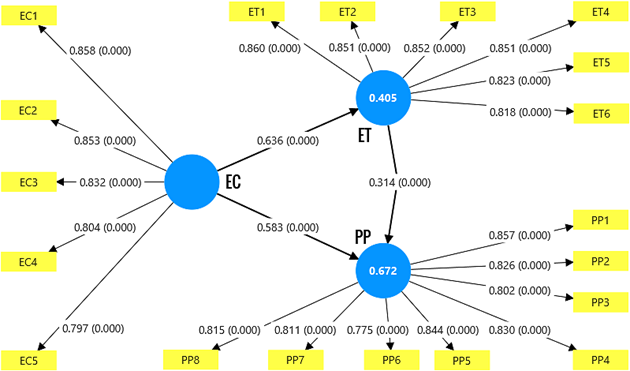
Figure 3. Final model generated by SmartPLS 4.
Table 6 presents the hypothesis testing results of the structural model.
Table 6. Hypothesis Testing Results of the Structural Model
|
Hypothesis |
Statistical Result |
Decision |
|
H1. EC → ET |
β = 0.636; t = 12.421; p < 0.001 |
Supported |
|
H2. EC → PP |
β = 0.783; t = 22.373; p < 0.001 |
Supported |
|
H3. ET → PP |
β = 0.314; t = 5.573; p < 0.001 |
Supported |
6. Discussion and Conclusions
6.1. Discussion
The results of the study show that EC within the entrepreneurial profile has a strong effect on ET in entrepreneurship education and an even more dominant effect on PP. Likewise, ET exerts a direct and moderate effect on PP. These findings fully confirm the three proposed hypotheses and demonstrate the differentiated magnitude of relationships: EC is the most influential predictor in the model, while ET plays a complementary role. These results align with prior evidence positioning EC as a central attribute of entrepreneurial behavior, associated with generating original ideas, identifying opportunities, and acting in changing environments (Castro et al., 2022; Powers et al., 2021; Shahab et al., 2019). The finding that EC strongly influences perceptions of ET is consistent with studies showing that creative students respond more effectively to active methodologies, simulations, and entrepreneurship-oriented instructional experiences (Gorevaya & Pasko, 2021; Miranda et al., 2020; Salamzadeh et al., 2022). The added value of this study lies in verifying these effects within an understudied context —Andean public universities with limited resources— thus expanding the geographic and sociocultural scope of the theory.
The relationship between EC and PP demonstrated the strongest effect in the model, consistent with research linking EC to entrepreneurial self-efficacy, problem-solving, and the ability to apply knowledge in real situations (Anjum et al., 2021; Tan et al., 2024; Vankov & Wang, 2024). This result is especially relevant in Apurímac, where students often face limited formal opportunities for practice; nonetheless, EC appears to function as an internal resource that supports PP even in restrictive environments. Regarding the moderate effect of ET on PP, the results are aligned with studies highlighting the role of experiential methodologies while noting that their impact depends on infrastructure availability, faculty support, and curricular continuity (Bragelien & Voldsund, 2024; Syed et al., 2024). The moderate magnitude observed may be explained by structural differences between the two institutions and by the gap between what is taught and the real opportunities available to practice entrepreneurship. Thus, the present study provides evidence indicating that ET, although relevant, does not replace the deeper influence EC exerts on PP.
Theoretically, the findings reinforce frameworks that connect creativity, experiential learning, and entrepreneurship education (Shankar & Corbett, 2024; Tan et al., 2024), showing that these components interact in differentiated ways and that their influence may vary depending on the academic context and institutional resource levels. The model confirms that EC acts as a strategic driver, shaping both the reception of instructional processes and their practical application.
6.2. Theoretical Contributions
This study provides empirical evidence in a context where research is scarce: regional public universities in Peru. It expands the theory of the entrepreneurial profile by showing that EC not only drives entrepreneurial behaviors but also shapes how students interpret and capitalize on instructional experiences. This extends the claims of Anjum et al. (2021) and Shahab et al. (2019), suggesting that EC should be understood as a transversal cognitive resource influencing both learning and behavioral processes. Furthermore, the experiential perspective of entrepreneurship education is strengthened by showing that ET exerts a significant yet moderate effect compared to EC. This contributes to ongoing debates regarding the real scope of ET based on simulations, artificial intelligence, or hands-on learning in contexts with structural limitations (Ilagan, 2023; Jin, 2024; Lang et al., 2024).
6.3. Practical Contributions
The results offer clear implications for public universities in Andean regions. First, they show that strengthening students’ creativity should be a cross-cutting institutional priority, not limited to entrepreneurship courses. Strategies such as creative challenges, idea laboratories, interdisciplinary projects, and student-centered methodologies may enhance this capacity. Second, the findings highlight the need to adjust teaching practices to provide spaces where students can apply knowledge concretely. Activities such as business simulations, projects with local communities, guided practice, and interactive technologies could increase the impact of ET on PP. Third, creativity emerges as an “internal accelerator” of entrepreneurial learning; therefore, entrepreneurship programs and faculty should consider assessing and promoting EC as an integral part of the curriculum.
6.4. Limitations
The study has limitations inherent to its non-experimental design and cross-sectional measurement, which prevent establishing strict causality. Additionally, the sample was based on convenience and drawn from two public universities in Apurímac, limiting generalization to other regions or institutions with greater heterogeneity. Data were collected through self-report measures, which may introduce perception or social desirability biases. Despite these limitations, the sample size, the robustness of the PLS-SEM analyses, and the coherence of the model strengthen the internal validity of the findings.
6.5. Recommendations for Future Research
Future studies could incorporate longitudinal designs to examine how EC and PP evolve throughout university training. It would also be valuable to include additional variables such as entrepreneurial self-efficacy, institutional support, innovation climate, or digital competencies, which may explain differences among students and universities. Comparative studies between urban and rural regions, or between public and private institutions, would help evaluate contextual influences. Mixed-methods approaches could further reveal qualitative mechanisms explaining why EC exerts such a dominant impact.
6.6. Conclusions
The study demonstrates that entrepreneurial creativity is a decisive factor in the entrepreneurial training of university students in Apurímac. EC significantly influences both perceptions of ET and the development of PP, while ET exerts a meaningful yet moderate additional effect. These results confirm the proposed theoretical model and show that EC acts as a central engine of entrepreneurial learning and action in educational contexts characterized by structural limitations. In conclusion, strengthening student creativity and improving the quality of entrepreneurial instruction are key strategies for fostering a solid entrepreneurial profile and effective practical performance in regional public universities. This contribution expands understanding of the phenomenon and opens new pathways for educational policy development and future research.
Author Contributions: The author was solely responsible for the conceptualization, methodology, data collection, analysis, interpretation of results, and writing of the manuscript. The author has read and approved the final version of the manuscript.
Funding: This research received no external funding.
Data Availability Statement: The data supporting the findings of this study are included within the manuscript.
Conflicts of Interest: The authors declare no conflicts of interest.
References
Ajzen, I. (1991). The theory of planned behavior. Organizational Behavior and Human Decision Processes, 50(2), 179–211. https://doi.org/https://doi.org/10.1016/0749-5978(91)90020-T
Anjum, T., Farrukh, M., Heidler, P., & Díaz Tautiva, J. A. (2021). Entrepreneurial Intention: Creativity, Entrepreneurship, and University Support. Journal of Open Innovation: Technology, Market, and Complexity, 7(1), 11. https://doi.org/10.3390/joitmc7010011
Benevolo, C., Penco, L., & Torre, T. (2021). Entrepreneurial decision-making for global strategies: a “heart–head” approach. Management Decision, 59(5), 1132–1157. https://doi.org/10.1108/MD-10-2019-1495
Borjas de Xena, L. (2012). La educación empresarial en instituciones de educación superior venezolanas. Estudios Gerenciales, 51–58. https://doi.org/10.1016/S0123-5923(12)70007-4
Bragelien, J. J., & Voldsund, K. H. (2024). Entrepreneurship education through sustainability orientation - Exploring a project initiating and structuring industry mentors. Procedia Computer Science, 239, 2098–2108. https://doi.org/10.1016/j.procs.2024.06.397
Caballero García, P. Á., Sánchez Ruiz, S., & Belmonte Almagro, M. L. (2019). Análisis de la creatividad de los estudiantes universitarios. Diferencias por género, edad y elección de estudios. Educación XX1, 22(2). https://doi.org/10.5944/educxx1.22552
Castro, A. B., Saavedra García, M. L., & Vargas Vega, T. de J. (2022). El perfil emprendedor de los microempresarios en los estados de México y Chiapas. Apuntes Del Cenes, 41(73). https://doi.org/10.19053/01203053.v41.n73.2022.13019
Cronbach, L. J. (1951). Coefficient alpha and the internal structure of tests. Psychometrika, 16(3), 297–334. https://doi.org/10.1007/BF02310555
Fornell, C., & Larcker, D. F. (1981). Evaluating Structural Equation Models with Unobservable Variables and Measurement Error. Journal of Marketing Research, 18(1), 39–50. https://doi.org/10.1177/002224378101800104
Gorevaya, E., & Pasko, D. (2021). Developing university’s educational processes and innovation infrastructure to launch student startups: Practical experience analysis. ACM International Conference Proceeding Series. https://doi.org/10.1145/3487757.3490951
Hair, J. F., Anderson, R. E., Babin, B., Black, W. C., Babin, B., & Anderson, R. E. (2019). Multivariate Data Analysis. In Australia : Cengage: Vol. 7 edition (8th ed.). Cengage Learning. https://goo.su/arw8w6
Hair, J. F., Hult, G. T. M., Ringle, C. M., Sarstedt, M., Danks, N. P., & Ray, S. (2021). An Introduction to Structural Equation Modeling. In Partial Least Squares Structural Equation Modeling (PLS-SEM) Using R (pp. 1–29). https://doi.org/10.1007/978-3-030-80519-7_1
Hair, J. F., Ringle, C. M., & Sarstedt, M. (2011). PLS-SEM: Indeed a Silver Bullet. Journal of Marketing Theory and Practice, 19(2), 139–152. https://doi.org/10.2753/MTP1069-6679190202
Hair, J., Hollingsworth, C. L., Randolph, A. B., & Chong, A. Y. L. (2017). An updated and expanded assessment of PLS-SEM in information systems research. Industrial Management & Data Systems, 117(3), 442–458. https://doi.org/10.1108/IMDS-04-2016-0130
Hair, J., Risher, J., Sarstedt, M., & Ringle, C. (2019). When to use and how to report the results of PLS-SEM. European Business Review, 31(1), 2–24. https://doi.org/10.1108/EBR-11-2018-0203
Henseler, J., Ringle, C. M., & Sarstedt, M. (2015). A new criterion for assessing discriminant validity in variance-based structural equation modeling. Journal of the Academy of Marketing Science, 43(1), 115–135. https://doi.org/10.1007/s11747-014-0403-8
Hernández-Sampiere, R., & Mendoza, C. (2018). Metodología de la investigación. Las rutas cuantitativa, cualitativa y mixta (Vol. 10, Issue 18). Mc Graw Hill Educatión. https://doi.org/10.22201/fesc.20072236e.2019.10.18.6
Ilagan, J. B. (2023). The design and use of conversational intelligent tutoring systems and computer simulation for the use of students of technology entrepreneurship. 31st International Conference on Computers in Education, ICCE 2023 - Proceedings, 2, 1014–1017. https://goo.su/rq9iUe
Jefferson, T., & Demicheli, V. (1999). Relation between experimental and non-experimental study designs. HB vaccines: a case study. Journal of Epidemiology and Community Health, 53(1), 51–54. https://doi.org/10.1136/jech.53.1.51
Jin, X. (2024). Analysis of the problems and countermeasures faced by the innovation and entrepreneurial education of college students in higher education institutions under the background of computer big data. Applied Mathematics and Nonlinear Sciences, 9(1). https://doi.org/10.2478/amns.2023.2.00646
Lang, Q., Tian, S., Wang, M., & Wang, J. (2024). Exploring the Answering Capability of Large Language Models in Addressing Complex Knowledge in Entrepreneurship Education. IEEE Transactions on Learning Technologies, 17, 2107–2116. https://doi.org/10.1109/TLT.2024.3456128
MacAulay, K. D., Mellon, M. J., & Nord, W. R. (2020). Reorienting business education through the lens of Ernest Boyer. American Journal of Business, 35(1), 45–59. https://doi.org/10.1108/AJB-05-2019-0027
Martins Dias Ferreira, A., Rossaneis, M. A., Campos de Oliveira, J. L., Fernadez Lourenço Haddad, M. do C., & Oliveira Vannuchi, M. T. (2018). PERFIL EMPREENDEDOR ENTRE RESIDENTES DE ENFERMAGEM. Revista Baiana de Enfermagem, 32. https://doi.org/10.18471/rbe.v32.27365
Miralles, F., Giones, F., & Riverola, C. (2016). Evaluating the impact of prior experience in entrepreneurial intention. International Entrepreneurship and Management Journal, 12(3), 791–813. https://doi.org/10.1007/s11365-015-0365-4
Miranda, C., Goai, J. I., Berhane, B. T., & Sotomayor, T. (2020). Work in progress: Developing a more comprehensive instrument to assess the entrepreneurial mindset of engineering students. ASEE Annual Conference and Exposition, Conference Proceedings, 2020-June. https://goo.su/MxUaj5C
Murray, A., & Crammond, R. J. (2020). Witnessing entrepreneurial perceptions and proclivity in university students. Education + Training, 62(4), 459–481. https://doi.org/10.1108/ET-03-2019-0052
Onalan, M. S., Ersoy, K., & Magda, R. (2020). MEASUREMENT OF ENTREPRENEURIAL PROFILES IN TURKEY: A MULTI-DIMENSIONAL SCALE DEVELOPMENT. Polish Journal of Management Studies, 22(2), 362–383. https://doi.org/10.17512/pjms.2020.22.2.24
Otzen, T., & Manterola, C. (2017). Técnicas de Muestreo sobre una Población a Estudio. International Journal of Morphology, 35(1), 227–232. https://doi.org/10.4067/S0717-95022017000100037
Powers, B., Le Loarne-Lemaire, S., Maalaoui, A., & Kraus, S. (2021). “When I get older, I wanna be an entrepreneur”: the impact of disability and dyslexia on entrepreneurial self-efficacy perception. International Journal of Entrepreneurial Behavior & Research, 27(2), 434–451. https://doi.org/10.1108/IJEBR-06-2020-0400
Ringle, C. M., Wende, S., & Becker, J.-M. (2024). SmartPLS 4 (4.1.0.3). https://www.smartpls.com
Salamzadeh, A., Tajpour, M., & Hosseini, E. (2022). Measuring the impact of simulation-based teaching on entrepreneurial skills of the MBA/ DBA students. In Technology and Entrepreneurship Education: Adopting Creative Digital Approaches to Learning and Teaching (pp. 77–104). https://doi.org/10.1007/978-3-030-84292-5_4
Sarstedt, M., Ringle, C. M., Smith, D., Reams, R., & Hair, J. F. (2014). Partial least squares structural equation modeling (PLS-SEM): A useful tool for family business researchers. Journal of Family Business Strategy, 5(1), 105–115. https://doi.org/https://doi.org/10.1016/j.jfbs.2014.01.002
Shahab, Y., Chengang, Y., Arbizu, A. D., & Haider, M. J. (2019). Entrepreneurial self-efficacy and intention: do entrepreneurial creativity and education matter? International Journal of Entrepreneurial Behavior & Research, 25(2), 259–280. https://doi.org/10.1108/IJEBR-12-2017-0522
Shankar, R. K., & Corbett, A. C. (2024). Quasipractice: How the entrepreneurship educator develops entrepreneurial practice expertise. Journal of Business Venturing, 39(6). https://doi.org/10.1016/j.jbusvent.2024.106435
Shao, L., Miao, Y., Ren, S., Cai, S., & Fan, F. (2024). Designing a framework for entrepreneurship education in Chinese higher education: a theoretical exploration and empirical case study. Humanities and Social Sciences Communications, 11(1). https://doi.org/10.1057/s41599-024-03024-2
Sung Park, S. Il, & Duarte Masi, S. (2015). El perfil del emprendedor y los estudios relacionados a los emprendedores Iberoamericanos. Revista Internacional de Investigación En Ciencias Sociales, 11(2), 291–314. https://doi.org/10.18004/riics.2015.diciembre.291-314
Syed, R. T., Tariq, U., Arnaut, M., & Agrawal, R. (2024). Entrepreneurship educator: a vital cog in the wheel of entrepreneurship education and development in universities. Journal of Innovation and Entrepreneurship, 13(1). https://doi.org/10.1186/s13731-024-00433-0
Tan, Y. Y., Tok, L., Lam, L., Lam, C., Koh, A., & Seng, E. (2024). Enhancing entrepreneurial competencies through experiential and reflective learning: a comparative study of the BETA module at Singapore polytechnic. Entrepreneurship Education, 7(4), 387–416. https://doi.org/10.1007/s41959-024-00132-7
Vankov, D., & Wang, L. (2024). Education program and experiential learning in Chinese entrepreneurship education: A year-long Social Cognitive Theory intervention’s impact on self-efficacy and intention. International Journal of Innovation Studies, 8(4), 381–392. https://doi.org/10.1016/j.ijis.2024.07.002
Disclaimer/Publisher’s Note: The statements, opinions, and data contained in all publications are solely those of the individual authors and contributors, and do not necessarily reflect those of Ceniiac Journal of Negocios Globales, its publisher, or the editors. Neither the journal, the publisher, nor the editors assume responsibility for any harm to people or property resulting from the use of any ideas, methods, instructions, or products mentioned in the content.