
Research Article
Judging with Practical Wisdom in Digital Courts: Paul Ricœur’s Little Ethics and the Ethical Governance of AI in the Judiciary
1 Pangkalan Balai District Court, Supreme Court of the Republic of Indonesia (Mahkamah Agung Republik Indonesia), Pangkalan Balai, South Sumatra 30911, Indonesia; ORCID: 0009-0000-9990-8112
* Correspondence: erwinowam@gmail.com
Received: 2025-12-15 | Revised: 2026-01-26 | Accepted: 2026-02-03 | Published: 2026-02-16
Citation: Susilo, E. (2026). Judging with Practical Wisdom in Digital Courts: Paul Ricœur’s Little Ethics and the Ethical Governance of AI in the Judiciary. Ceniiac, 2, e0011. https://doi.org/10.64923/ceniiac.e0011
Copyright: © 2026 by the authors. Licensee Negocios Globales, Maracaibo, Venezuela. This article is an Open Access article distributed under the terms and conditions of the Creative Commons Attribution (CC BY) license.
ISSN: 3105-6237 (online).



Abstract: Since 2025, a significant number of judicial systems in various countries have adopted or are testing the use of digital technology and artificial intelligence (AI), particularly in pre-trial risk assessment, sentencing support, and case management. Despite promising efficiency, this practice raises serious issues regarding algorithmic bias, lack of transparency, and judicial legitimacy, as reflected in the use of COMPAS in the United States and the cancelation of the SyRI system in the Netherlands. This research seeks to redefine judicial ethics as a normative framework for the regulation of AI-assisted decision-making. This study employs the normative legal research method within a hermeneutic framework, incorporating a philosophical analysis of Paul Ricoeur's concept of petite éthique, a conceptual approach, and a comparative examination of constitutional and supreme court decisions in Germany, South Africa, and Indonesia. The primary outcome of this research is the development of the Reflective Judicial Phronesis Model, which conceptualizes phronesis as both a personal virtue of judges and an institutional reflective capability within digital judicial governance. This research concludes that institutional adaptation of Ricœur's ethics provides a normative basis for strengthening reasoning transparency, human control over AI, and the legitimacy and accountability of technology-based justice.
Keywords: Paul Ricœur; Little Ethics; Reflective Judicial Phronesis; Digital Judicial Governance; Artificial Intelligence; Judicial Ethics.
1. Introduction
Paul Ricoeur considers phronesis (practical wisdom) as a connective function that facilitates ethical decision-making in specific contexts where value conflicts may arise. Consequently, moral existence in this context cannot be simplified to mere compliance with norms; instead, it transforms into a practice of reflective judgment designed to direct individuals towards coexisting harmoniously and altruistically in a just environment (Scott, 2021). Paul Ricœur's thinking within the framework of modern moral philosophy places "human beings" as subjects who understand themselves through three things: "action, narrative, and responsibility". In his work titled "Soi-même comme un autre" (1990), Ricœur introduced an interesting concept called "petite éthique," which can be used as a reflective foundation to bridge the two main currents in moral philosophy: "Aristotelian virtue ethics, which projects onto the good life's purpose, and Kantian duty ethics, which emphasizes universal moral law" (Quesada-Rodríguez, 2020; Amaral, 2022; Graves, 2022).
Ricoeur considers phronesis (practical wisdom) as a connective function that facilitates ethical decision-making in specific contexts where value conflicts may arise. Consequently, moral existence in this context cannot be simplified to mere compliance with norms; instead, it transforms into a practice of reflective judgment designed to direct individuals towards coexisting harmoniously and altruistically in a just environment (Scott, 2021). The relevance of Ricœur's ethical framework becomes urgent considering the development of law alongside the digital transformation of the judiciary and the increasing use of artificial intelligence (AI) in judicial governance. The use of electronic and algorithmic systems has been empirically employed in judicial practice. The use of electronic and algorithmic systems has been empirically employed in judicial practice. UNESCO has documented the involvement of over 36,000 judicial actors in more than 160 countries in training and consultation programs related to "AI and the Rule of Law".
This indicates that most member states of the United Nations have adopted or even developed various forms of e-justice and have begun to use or test algorithmic decision-support systems, particularly in relation to "pre-trial proceedings, detention risk assessment, sentencing, and case management," through tools ranging from "prediction, document management, case classification, and and automatic translation to decision-making support systems, all while remaining under human supervision (United Nations Educational, 2025). Hundreds of states in the United States have also put risk assessment algorithms into use. Hundreds of state courts in the US use risk assessment algorithms (Wang et al., 2023). In Europe and Asia, similar technologies are marketed as ways to make the courts more efficient and make sure that decisions are consistent. But real-world data also shows that using AI and automation in the justice system is not "risk-free". Various studies indicate that algorithms do not operate in a neutral space but use past data and follow existing work patterns. Because such data and structures often contain social inequalities, the use of potential algorithms can perpetuate or support biases that have already occurred (Ugwudike, 2020; Ugwudike, 2022; Završnik, 2021).
In the United States, there is controversy over the use of the COMPAS algorithm because it introduces racial bias into sentencing recommendations. Then in the Netherlands, the algorithm-based fraud detection system (SyRI) was canceled by the court because it violated the right to privacy and the principle of non-discrimination. These cases have sparked widespread criticism, eroded public trust, and simultaneously highlighted that algorithmic bias is also linked to sociotechnical issues inseparable from the social and organizational context of its application (Fazelpour & Danks, 2021; Kordzadeh & Ghasemaghaei, 2022). Then, in relation to the judge's decision, the implementation of predictive AI poses challenges concerning transparency and accountability, as these algorithms function in a non-transparent manner, potentially compromising the principle of open justice and necessitating that judges offer rational justifications for their rulings. This is because the basis for the decision's considerations will be difficult for the public to understand and test (Grimmelikhuijsen, 2023; Shaun Lim, 2021).
From this viewpoint, which is also supported by several research findings, it was found that AI cannot replace a judge's judgment in deciding a case but is only used as an aid under "human oversight and clear accountability" (Dancy & Zalnieriute, 2025; Chaudhary, 2024). Given the weaknesses in AI usage, AI regulation and governance have developed. In the European Union, through the EU Artificial Intelligence Act, AI used in judicial administration is classified as a "high-risk system," requiring it to meet strict standards regarding "transparency, technical documentation, and human oversight" (Pavlidis, 2024; Finocchiaro, 2024). Then, at the national level, countries like Canada adopted algorithmic impact assessments to limit automated decision-making, while the United Kingdom, the United States, and Germany emphasized oversight through administrative law and judicial review as mechanisms for public accountability (Brand, 2022; Drake et al., 2022).
In this regard, data protection and digital rights laws serve as a legal umbrella to ensure that AI usage does not violate the right to privacy, the right to equal treatment, and the right to a fair trial (Shaelou & Razmetaeva, 2023; Hoxhaj et al., 2023; van Bekkum & Zuiderveen Borgesius, 2023). The Fairness, Accountability, and Transparency (FAT) approach, on the other hand, says that fairness in the use of algorithms can't be achieved just by making technical improvements. It also needs institutional responsibility and ongoing ethical reflection (Engstrom & Haim, 2023; Hughes et al., 2025). Then, regarding the study of little ethics, Ricœur has been widely studied. For example, Wolff emphasizes microethics as the foundation for the relationship between "technology, power, and human responsibility" (Wolff, 2020) In contrast to Wolff, Manson and Jobe view little ethics as an approach that balances "the good" and "the right" through "virtue, dialog, and respect for human dignity" (Mason, 2021; Jobe, 2022). Then, in relation to law and politics, little ethics is used as a connecting bridge between "individual responsibility, human rights, and a just legal order" (Dentz, 2020; Deckard, 2024; Cadilha, 2021).
However, these studies have not systematically integrated the ethical implications of using AI in judicial practice. These gaps become even more significant when courts use digital technology to provide "fast, simple, and low-cost justice". Without adequate ethical frameworks, the use of technical and algorithmic rationality risks reducing justice solely to a matter of procedural efficiency, potentially undermining the legitimacy and sustainability of judicial governance (Newing, 2022). In this context, Ricœur's notion of little ethics is significant as a mediator between legal standards and the good life through phronesis, safeguarding that judicial reasoning is anchored in substantive justice and human dignity. Based on this background, this research develops and formulates a model of Reflective Judicial Phronesis consisting of three operational components: ethical aim, moral norm, and practical wisdom (phronesis). This model is understood as a normative construction for assessing and guiding AI-assisted decision-making practices in digital justice.
The strengthening of judicial legitimacy in this model is operationalized through identifiable evaluative indicators, including increased transparency of judicial reasoning, ensuring sustainable human control over algorithmic systems, and consistency of decisions with principles of procedural justice and human rights protection, reflected in a reduction in grounds for judicial objection and increased accountability of decisions.
2. Materials and Methods
This research utilizes a normative legal research methodology that conceptualizes law as a system of norms, ethical principles, and justificatory reasoning, rather than as empirical behavior. This approach underscores doctrinal consistency, conceptual clarification, and interpretative justification in legal reasoning, making it relevant for the examination of judicial ethics and the governance of artificial intelligence (AI) in the judiciary (Hutchinson & Duncan, 2012; McCrudden, 2006). This research integrates philosophical, conceptual, and comparative legal approaches within a hermeneutic framework. A philosophical approach is used to analyze Paul Ricœur's ethical thought, particularly the concept of petite éthique, as a normative basis for reflective legal reasoning. The analysis was conducted based on the tradition of philosophical hermeneutics, which views meaning as the result of interpretation and critical reflection on the text (Gadamer, 2004; Ricoeur, 1981).
The main philosophical corpus of this research includes Soi-même comme un autre (1990) as the central text, supplemented by Du texte à l’action (1986), Le Juste Jilid I–II (1995; 2001), and Temps et récit Jilid I (1983). All these works were purposefully selected due to their relevance to ethics, justice, practical wisdom (phronesis), and institutions. To maintain consistency in interpretation, this study also uses Ricœurian secondary literature (2000–2025) as an interpretive control. The analysis was conducted through an iterative hermeneutic process that included initial understanding, critical distancing, and reflective appropriation. At this stage, ethical concepts such as ethical goals, moral norms, and phronesis are reconstructed and placed within the context of judicial reasoning. The interpretation process was documented through analytical notes and manually compiled conceptual coding tables to organize themes and interconnections between sources.
Next, this research uses a legal conceptual approach to formulate the Reflective Judicial Phronesis Model. This model is built inductively from Ricœur's tripartite ethical structure and translated into the context of judicial governance by aligning with legal principles such as judicial independence, proportionality, accountability, and human dignity (Schauer, 2012; Walker, 2019). This process is carried out iteratively until theoretical saturation is reached. We use the comparative law method to see how judges in Germany, South Africa, and Indonesia decide cases. The Supreme Court used purposive sampling to pick the cases. It concentrated on constitutional rulings and Supreme Court decisions that exemplify ethical reasoning and judicial discretion in contexts of normative tension. The analysis includes decisions from the German Federal Constitutional Court from the late 1950s, as well as more recent decisions from South Africa and Indonesia, up to 2024. References to practices in the United States are employed solely as contextual exemplars of algorithmic risk (e.g., COMPAS), rather than as subjects for judicial comparison.
The comparative analysis was conducted using a structured comparative framework that focused on ethical orientation, judicial discretion, and the form of judgment justification, emphasizing functional equivalence between legal systems (Zweigert & Kötz, 1998) (Siems, 2014).This study utilizes triangulation among philosophical texts, judicial rulings, and doctrinal literature, supplemented by the documentation of interpretive methodologies and the coherence of conceptual definitions, to ensure validity and replicability. All research materials are obtained from publicly accessible publications, enabling this study to be replicated or further advanced by other researchers. Figure 1 shows the methodological flow of this research by showing the steps of philosophical reconstruction, building a conceptual model, and doing a comparative legal analysis.
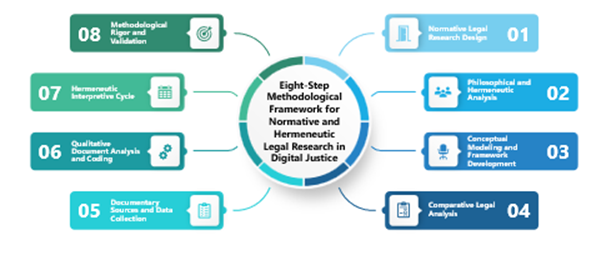
Figure 1. Methodological Pathway for Ethical Governance of AI in the Judiciary
3. Results
This Results section delineates the analytical outcomes obtained from the hermeneutic reconstruction of Ricoeur’s notion of little ethics, alongside a comparative analysis of judicial practices in Germany, South Africa, and Indonesia. The main result of this study is the creation of the Reflective Judicial Phronesis Model, which places phronesis within Ricœur's polarized thought as a way for judges to run their courts, especially as more digital and AI-based courts are being set up. In short, the Results section of this study goes in the following direction: Subsections 3.1 and 3.2 illustrate the outcomes of the hermeneutic reconstruction that underpins the model analysis, whereas Subsection 3.3 encapsulates the primary contribution of this research.
3.1. The Concept of Little Ethics
Paul Ricœur sought to understand humans through their actions and how they impart meaning to the moral choices they make. He developed the concept of "petite éthique," a view that a noble life must be lived together and for others in a just order. In this concept, Ricœur attempts to reconcile two seemingly contradictory ethical perspectives—heteronomy (obedience to external law) and autonomy (individual moral freedom)—through the idea of practical wisdom (phronesis) as formulated by Aristotle (Quesada-Rodríguez, 2020). For Aristotle, phronesis is the highest form of moral knowledge, requiring the ability to judge and act wisely in complex ethical situations. This wisdom not only focuses on understanding what goodness is but also on how to manifest it in real actions (Van Niekerk, 2020). In this context, phronesis serves as a bridge between knowledge and action, guiding humans to consider decisions rationally and ethically to achieve a beneficial life with others.
This view became an important foundation for Ricœur's ethical ideas in Oneself as Another, especially in the section he calls "little ethics". Through this work, Ricœur attempts to reconcile two major approaches in moral philosophy—Aristotle's teleological ethics of the beneficial life and Kant's deontological ethics of duty—to build a more comprehensive ethical theory. For Ricœur, ethics speaks to the ideal of life's purpose (ethical aim), while morality elaborates that purpose in the form of universal norms and obligations (Marcelo, 2020). Ethics holds a primary position as the fundamental direction of human moral life, but it must still be tested through norms to prevent it from remaining merely an ideal. When norms fail to address concrete issues, humans must return to ethical goals by relying on phronesis—the ability to judge wisely based on the context, values, and moral responsibilities they face (Marcelo, 2020). This tripartite structure of Ricœur’s little ethics is synthesized in Figure 2.
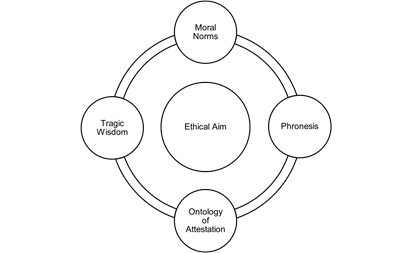
Figure 2. Ricoeur's Concept of Little Ethics. Source: Researcher's Elaboration, 2026.
This conceptual model shows that Ricœur's little ethics is dynamic: it connects moral ideals with action through practical wisdom that is constantly tested in human experience. Ricœur views humans as dialogical beings who live in relationship with others, possessing the capacity to speak, act, and be responsible for their choices—a perspective he calls the ontology of attestation (Le Chevallier, 2024) By combining Aristotle's spirit of eudaimonia and Kant's moral rationality, Ricœur asserts that moral conflict is an unavoidable part of ethical life (Newing, 2022). Through Sophocles' tragedy He demonstrates in Antigone that tragic situations, where every moral choice has the potential to violate other obligations, always test practical wisdom. From this awareness was born the concept of "tragic wisdom," namely the awareness that in every moral action, humans are always caught between the intention to do justice and their limitations in facing the real-life dilemmas (Tasso, 2022).
In this context, ethics, in Ricœur's view, goes beyond mere moral principles, moving toward a deeper relational dimension where self-understanding is always bound to the existence of others and responsibility toward them—an idea that serves as the starting point for the subsequent discussion on the Self and the Other. Based on the results of the "hermeneutic reconstruction" that has been explained, it shows that the tripartite structure of little ethics (ethical goals, moral norms, and phronesis) contains a logical foundation in governance that has the potential to connect "abstract norms and practice".
3.2. Self and Other Relationships
Ricœur argues that the self never stands as a closed, autonomous entity but is always present within a network of relationships with the other. He rejected the classical view that separated the two, as in the philosophies of Plato, Descartes, and Hegel, and replaced it with an open dialectic between the ipse (the changing self) and the idem (the constant identity). Through this dialectic, Ricœur asserts that human existence is not something static but rather an ethical and temporal process that is constantly shaped through action, narrative, and responsibility toward others (Warmbier, 2020). Ricœur rejects the Cartesian idea of a complete and fully conscious cogito. He introduced the concept of the broken cogito to assert that humans always experience a split within their consciousness. Therefore, tension arises in Ricœur's thinking between the reality of violence and the belief in the fundamental goodness of existence (Wallace, 2020). For Ricœur, human existence is characterized by fundamental fragility and mortality. The subject is the wounded cogito or the broken cogito—that is, a subject that is injured or even destroyed, unable to repair itself. This fragility arises from humanity's ability to reflect on its actions and imagine that life and the world around it could be different (Vikström, 2024). Humans, therefore, understand themselves not as perfect subjects, but as individuals formed through awareness of their bodies, their relationships with others, and the conscience that calls them to moral responsibility.
In Soi-même comme un autre, Ricœur asserts that self-reflection is not a search for a fixed "I" (je), but rather a dynamic discovery of the self through experience and action. Human identity is formed narratively, that is, in the tension between repetition (the same) and change (the self). One understands oneself through relationships and time, because only by recognizing others can humans know themselves (Sobkowiak, 2020). "Self as other" in this context is not merely a concept but an existential hermeneutic method for reading humans as beings who are always "becoming" through ethical encounters. Furthermore, in Time and Narrative, Ricœur expands on his ideas by introducing the concept of "third time," which serves as a bridge between natural time and human time. This concept explains that history is not merely a sequence of events but a concrete temporal space of experience where humans interpret themselves and their world. However, Ricœur did not stop at the two-way relationship of "I–you". It presents the figure of the Third as a symbol of justice that transcends personal closeness (Řídký, 2023). The third mediates interpersonal ethics and social morality, asserting that human responsibility does not end with individual relationships but extends to the institutional and universal realms.
Through this concept, Ricœur combines the phenomenological dimension of interpersonal relationships with a universal ethical horizon. For him, phenomenology is not merely an epistemological tool but a philosophical endeavor to understand the essence of human moral consciousness. Although reflective in nature, Ricœur's phenomenological approach has a real impact in the social, psychological, anthropological, and qualitative research domains because it shows how humans form meaning, affirm values, and act responsibly in everyday life (Zahavi, 2021). Ricœur's conceptual framework for the relationship between oneself and others can be summarized as follows:
Table 1. Conceptual Structure of the Relationship Between Self and Other in Paul Ricœur's Little Ethics
|
Ricœur’s Key Concept |
Philosophical Meaning |
Ethical and Phenomenological Implications |
|
|
Self (Soi) |
An identity open to change and relation. |
The self is an existential process, not a fixed substance. |
Serves as the basis for reflective awareness and personal responsibility. |
|
The Other |
A constitutive part of self-formation. |
Alterity shapes the meaning of human existence. |
Fosters empathy and openness to difference. |
|
Ipse and Idem |
Dialectic between transformation and continuity of the self. |
Identity is narrative and historical. |
Builds moral integrity within the dynamism of life. |
|
Broken Cogito |
A self-aware of its limitation and fragmentation. |
Rejects the Cartesian claim of absolute consciousness. |
Encourages humility and ethical acceptance of self. |
|
The Third |
Symbol of justice beyond personal relations. |
Shifts empathy-based ethics toward social morality. |
Foundation for institutional justice and social solidarity. |
|
Third Time |
Bridge between natural and human time. |
History as a meaningful temporal experience. |
Connects moral action to historical consciousness. |
|
Being-with-others |
Human existence in togetherness. |
Human as dialogical and intersubjective being. |
Affirms shared responsibility in social life. |
Source: Researcher's Elaboration, 2026.
The table above shows that for Ricœur, the self cannot be understood without the other, and both are always mutually shaped through experience, time, and responsibility. The dialectic between ipse and idem exemplifies the tension between self-continuity and self-transformation, while the existence of the Third denotes a transition from relational ethics to a more expansive notion of social justice. In other words, Ricœur builds a bridge between existential phenomenology and moral theory by positioning humans as beings who live "with and for others in a just order". The overall idea of Ricœur shows that humans discover their moral meaning in their relationship with others and the social world. Ethics involves both living well for oneself and living together for others in just order. Through practical wisdom, self-reflection, and an awareness of justice, Ricœur demonstrates that human moral responsibility grows from the dialog between personal consciousness and social attachment. In this way, Ricoeur's ethics becomes a bridge between existential experience and universal justice, a perspective relevant for understanding human morality amidst the complexities of modern life.
From these findings, Ricœur’s concept of broken cogito and the figure of the Third, from the outset, envisioned the role of the judge not only as a moral individual in relation to individuals but also as an institutional subject with ethical responsibilities "in the public sphere". From this broken cogito, we understand that the judge is not an "all-knowing" subject but rather a human being with consciousness who is always limited and vulnerable, thus requiring reflection and correction in this context. Then, the figure of the Third represents the "presence of society, law, and public interest," which demands that judges be held publicly accountable in their decisions. Essentially, Ricœur's "little ethics" refers to the fundamental understanding that a judge's decisions must transcend "personal/private moral relations" and always be positioned within the framework of institutional accountability and their responsibility to the public.
3.3. Formulating the Reflective Judicial Phronesis Model
This research develops the Reflective Judicial Phronesis Model as the principal analytical outcome by integrating a hermeneutic analysis of Paul Ricoeur’s ethical texts—especially Soi-même comme un autre—with a comparative examination of judicial practices in Germany, South Africa, and Indonesia. This synthesis reveals that phronesis is no longer exclusively linked to the individual moral wisdom of judges; rather, it serves as a reflective institutional capability to assess, regulate, and guarantee accountability in judicial decision-making within digital and AI-driven courts. The findings of the hermeneutic analysis suggest that the tripartite framework of Ricœur's ethics—comprising ethical goals, moral norms, and phronesis—exhibits operational dimensions that remain inadequately examined in contemporary judicial discourse. When this structure is reread in the context of real judicial practice and technological challenges, phronesis can no longer be understood solely as the internal moral virtue of judges. Conversely, phronesis emerges as a reflective capacity that functions institutionally, namely as a mechanism enabling judges to mediate between the normative demands of the law, concrete social realities, and algorithmic reasoning increasingly present in the adjudication process.
Based on these findings, the Reflective Judicial Phronesis Model is formulated as a judicial ethics architecture consisting of three interconnected and dialectically working components. First, the ethical goal—la vie bonne, with and for others, within just institutions—serves as a fundamental normative orientation that places human dignity and public justice as the ultimate horizon of all judicial decision-making processes. In this context, judicial technology is viewed as a beneficial instrument, and its utilization is deemed legitimate solely if it safeguards individuals, rather than merely functioning effectively. Second, moral norms operate as institutional boundaries that prevent judicial discretion and the use of technology from deviating from fundamental legal principles, such as legality, due process of law, and equality before the law. Comparative analysis shows that these norms serve as a buffer against the reductionist tendencies of algorithmic reasoning, particularly when algorithms operate on biased data or statistical assumptions that do not fully capture the complexity of human experience (Moniz, 2024).
Third, the most important part of the model that holds everything together is reflective phronesis. This study found that judges have been using phronetic judgment for a long time, even though they referred to it by different names when dealing with value conflicts, uncertainty about the facts, or conflicts between legal certainty and substantive justice. When it comes to digital justice, reflective phronesis means that judges can understand, put into context, and critically evaluate algorithmic outputs and, when necessary, correct or reject them, keeping in mind real-life human situations and their moral duty as ethical subjects (Bobb, 2020). Unlike Ricœur's philosophical exposition, which primarily positions phronesis as an individual's practical virtue, the Reflective Judicial Phronesis Model positions this practical wisdom as a function of judicial governance. Judges are not understood as passive users of technology or recipients of algorithmic recommendations, but rather as ethical managers of judicial reasoning who retain normative and institutional accountability for every decision. In this sense, this model represents a normative-institutional adaptation of Ricœur's ethics that is substantively different from a mere "application" of moral philosophy to the legal context. The following Figure 3 visualizes the relationship between ethical goals, moral norms, and reflective phronesis:
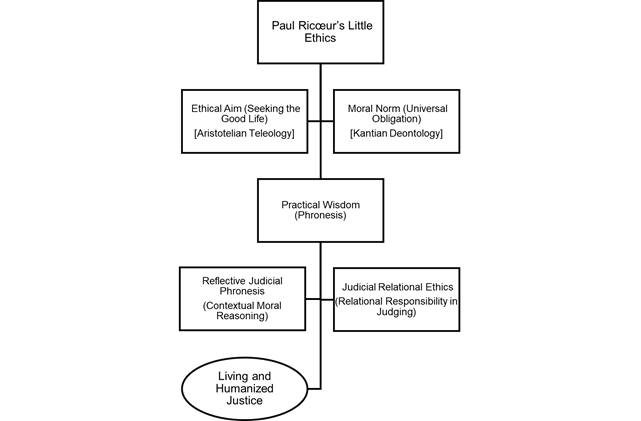
Figure 3. Model of Reflective Judicial Phronesis in Digital Court Governance. Source: Researcher's Elaboration, 2026.
The picture illustrates that equitable judicial outcomes in a technology-mediated context can only be realized through the amalgamation of ethical orientations and normative constraints, facilitated by the practical wisdom of judges. This combination creates a type of judicial relational ethics, where judges not only enforce the law but also maintain public trust and social cohesion (Judicial Relational Ethics). In the context of AI governance, in the governance of AI in the judiciary, the Reflective Judicial Phronesis Model is a model that can respond to five challenges in the judiciary closely related to algorithms, namely "algorithmic opacity, training data bias, dehumanization of judicial reasoning, tension between efficiency and justice, and the issue of accountability for decision errors". This model also offers a normative resolution to the real problems that arise when courts use artificial intelligence. If the judge sees algorithmic outputs as data that needs to be thought about carefully instead of as certain knowledge, the problem of algorithmic opacity becomes less important. Instead, we should view these outputs as thoughtfully considered data.
We follow moral rules that say our training data must be fair and not treat people differently. Putting moral goals first helps keep the courts from getting too cold and impersonal by making sure that numbers aren't the only thing that matters when making legal decisions. Phronesis helps you achieve a balance between wanting justice quickly and wanting justice that is fair. It's not the technology's fault when algorithms make mistakes; it's the judges. This framework aims to make the justice system more human and less rule bound. It grows by taking the moral lessons from each case and using them. According to the Aristotelian tradition, phronesis is the most important virtue because it helps people make moral choices when things are tough (McLoughlin et al., 2025). Ricoeur said it was a kind of wisdom that understands the limits, doubts, and weaknesses of people (Langford, 2025). A judge who uses reflective judicial phronesis makes decisions based on the law and the people involved in each case.
A more in-depth comparison reveals that this model functions similarly to courts in various jurisdictions. The principle of proportionality in the German Rechtsstaat tradition and the principle of ubuntu in South African constitutional jurisprudence exemplify judicial reasoning that inherently employs phronetic logic, thereby emphasizing the relevance of the Reflective Judicial Phronesis Model beyond mere theoretical abstraction (Hsu, 2021) (Moniz, 2024). Therefore, the Reflective Judicial Phronesis Model is a new way of examining and improving how courts work today. This model says that judges are the third party who must ensure that justice is still fair, thoughtful, and kind in the digital age. They link people to the law and to writing. The primary contribution of the "Reflective Judicial Phronesis Model" is the transformation of phronesis, traditionally regarded solely as a moral virtue, into a tool for judicial and reflective governance. This model conceptualizes phronesis as a structural nexus among ethical objectives (justice), the constraints of positive legal norms, and the presence of algorithmic reasoning in digital courts. With this formulation, Ricoeur's "little ethics" no longer centers on the domain of "moral philosophy" but can instead serve as the basis for judicial governance that effectively tackles modern issues of "transparency, accountability, and, crucially, the legitimacy of the judiciary, which is now primarily AI-driven".
In essence, this research fundamentally differs from previous studies that positioned "little ethics" as a normative guideline for individual judicial behavior. Through the model already explained, it proposes a structural reinterpretation that places phronesis as an aspect of judicial governance. Thus, little ethics is no longer solely placed within moral philosophy but can now become an institutional framework for "the legitimacy, transparency, and accountability of digital and AI-based justice".
4. Discussion
4.1 The Judge's Reasoning Model incorporates Paul Ricœur's Little Ethics Approach
Ricœur views ethics as "the effort to seek the optimal life with and for others in a just order (la vie bonne, avec et pour autrui, dans des institutions justes)" (Le Coz, 2022). This view is at the heart of petite éthique—or little ethics—which synthesizes two leading perspectives: Aristotelian teleology and Kantian deontology. Based on Aristotle's ideas, Ricœur adopted the concept of eudaimonia, or the optimal life, which is achieved through virtue and practical wisdom (phronesis), while, from Kant, he took the principle of universal moral obligation as a normative limit for ethical action (Kristensson Uggla, 2022). Both were then synthesized into an ethical framework known as petite éthique—or little ethics—which reconciles two major moral traditions: Aristotelian teleology and Kantian deontology. Through this synthesis, Ricœur asserts that a desirable life can only be realized through a balance between moral goals and respect for universal norms that ensure justice for others (Ugwoke, 2022).
This concept, when applied in practice by judges, opens new horizons in legal reasoning through the phronesis of Ricœur's thought. Judges are no longer understood merely as la bouche de la loi—the passive mouthpiece of the law—but as hermeneutic actors who interpret legal norms through ethical, social, and moral responsibility dimensions toward the people being judged (Campo, 2020). Every legal decision becomes a dialectical space between ethical aims (the good life) and moral norms (universal obligations). This dialectic cannot simply be reconciled because law always operates within the complexities of life, which is full of values and moral tensions (Ugwoke, 2022). Therefore, judges are required to use practical wisdom as a bridge between norms and human reality. From this dialectic emerged an important principle: the judge's hermeneutic ability to balance legal certainty with justice. This wisdom transcends the boundaries of legal-positivistic rationality and places law as a living text that derives its meaning through human experience and its social context. A judge possessing reflective phronesis engages in logical reasoning while also approaching each case with empathy, moral discernment, and an acute awareness of the societal ramifications of their rulings.
In this regard, Ricœur also emphasizes the dimension of tragic wisdom—an awareness that every ethical decision always carries the risk of certain moral losses. John Wall describes Ricœur's tragic wisdom as a form of poetic creativity inspired by Greek tragedy, not in an esthetic sense, but because tragedy reveals the essence of moral conflict that is unavoidable in human life. Tragedy, for Ricœur, demonstrates that true justice is not the result of perfect adherence to norms, but rather of the ability to act wisely amidst irreconcilable value tensions (Bobb, 2020). In this case, the judge is not attempting to determine absolute legal certainty, but rather a humane moral balance. He realized that every decision carry ethical consequences, thus fostering judicial humility—the awareness that justice is not the result of perfect norms but the fruit of a reflective struggle between law and humanity. Thus, a Ricœurian judge is a reflective figure who interprets the law based on the human values that live within society. He became a judicial phronimos, a judge who practices practical wisdom to bring about justice.
From the standpoint of applied social science, Reflective Judicial Phronesis is conceptualized as an analytical framework for decision-making practices within judicial institutions regarded as public organizations. The judiciary fulfills a normative role and influences institutional legitimacy, public trust, and the standard of legal governance. By positioning judges as reflective actors who balance norms, empathy, and public responsibility, this model is relevant for the study of institutional ethics, governance, and legal sociology in the context of managing modern judicial institutions. The digital transformation and the use of technology in the judicial system increasingly reinforce the relevance of this approach. The digitalization of judicial processes and the discourse on the use of artificial intelligence have the potential to increase efficiency, but they also carry the risk of reducing justice to mere technical rationality (Susilo, 2025). Ricœur's little ethics provides a normative foundation to ensure that technological innovation remains directed toward a beneficial life (ethical aim), is limited by universal moral norms, and is guided by practical wisdom (phronesis). Thus, this model contributes to social sustainability by strengthening a just and humane life in the governance of legal institutions.
4.2 Judges and Ethics within the Framework of Paul Ricœur's Hermeneutics
Ricœur states that the human self (soi) is never present autonomously but is always formed through relationships with the Other and the Third (Lelièvre, 2024). Human identity is narrative —it exists between the idem (self-continuity) and the ipse (responsibility and the ability to keep promises) (Jakubowski, 2020). Regarding judges, this concept asserts that a judge's character cannot be viewed as something static and closed but as a reflective process that lives in relation to the parties being judged and the wider community. Judges not only uphold norms but also interpret the human meaning behind the norms themselves. It serves as a moral intermediary between legal texts and dynamic human life. Within the hermeneutical framework of Ricœur, the ethical consciousness of the judge is rooted in the recognition of self-limitation as a broken cogito. This awareness positions judges as reflective subjects who are aware of the potential for bias, uncertainty, and fragility in every decision. Instead of weakening objectivity, recognizing limitations becomes a source of practical wisdom that opens space for empathy, dialogue, and responsible moral judgment.
This hermeneutic approach asserts that judicial objectivity is not identical to the absence of emotion but rather to the ability to channel empathy within the framework of public norms and responsibilities. Through Ricœur's hermeneutical arc—initial understanding, critical distancing, and reflective appropriation—the judge unites law and conscience in a dignified decision. Thus, judicial ethics is understood as a reflective practice that fosters judicial relational ethics, where judges act as the Third, bridging law and humanity in living justice. The judge's awareness as a broken cogito—a subject aware of its limitations—becomes the ethical foundation for the judge (Van der Heiden, 2023). Unlike Cartesian rationality, which demands absolute certainty, the broken cogito places doubt, openness, and empathy at the heart of practical wisdom. If the Cartesian cogito closes philosophy within a "circle of representation"—that is, a way of thinking that only recognizes something insofar as it can be described and controlled by human consciousness itself, so that the other or the different is always reduced to what is already known—then the broken cogito precisely opens up space for recognizing human limitations and vulnerability (Warmbier, 2020). Through an awareness of self-division, humans learn to understand differences not as a threat but as part of an ethical process to become more human.
Such a judge does not view their authority as something dominant but rather as a moral responsibility to ensure justice for every human being. This view has a normative basis in Article 5 (1) of the Judiciary Law, which states that judges are obliged to "explore, follow, and understand the legal values and sense of justice that exist in society” (Imran, 2021). This provision shifts the orientation of law enforcement from a positivist mindset toward a hermeneutic approach—from rigid application of the law to interpreting the law as a reflective ethical act. The concept of the Third (le tiers) in Ricœur's ethics expands the ethical relationship from the personal "I-Thou" connection to the institutional dimension, emphasizing justice as a social order for all. Through a hermeneutical process that moves from initial understanding to profound understanding, Ricœur asserts that humans reflectively grasp the meaning of their lives in relation to others and the world (Simonÿ et al., 2025). The concept of the Third (le tiers) relates to the role of the judge as a representation of society, the constitution, and universal values that must be upheld.
Therefore, judges are not only accountable to the parties involved but also to the public as officials with the obligation to uphold the law and justice as mandated by Article 24 (1) of the 1945 Constitution of the Republic of Indonesia (the Indonesian Constitution) (Susilo, 2024). This principle is in line with the Code of Ethics and Guidelines for Judicial Conduct (KEPPH), which stresses the values of independence, integrity, justice, equality, and wisdom. These values reflect the three parts of Ricœurian ethics: responsibility to oneself, others, and public justice. Judges' ethics are vital because they show that legal objectivity isn't indifference. In Ricœur's hermeneutic view, objectivity arises from a balance between closeness and distance—between empathy for the person being judged and respect for universal norms. To understand this dynamic of balance more deeply, Ricœur's hermeneutical arc approach can be used as a reflective framework for judges in interpreting and applying the law through an ethical dimension. This framework comprises three stages that delineate the internal progression of a judge from empathetic comprehension to objective and equitable moral judgment, as illustrated in the subsequent table (Bologna et al., 2020):
Table 2. Ricoeur's Three Stages of Critical Hermeneutics in the Context of Judicial Ethics
|
Hermeneutic Stage |
Meaning in Ricœur’s Framework |
Relevance to Judicial Ethics |
|
Naïve Understanding |
The initial interpretation emphasizes sensitivity and empathy toward the explicit meaning within its social context. |
The judge seeks to understand the background and human condition of the parties as a foundation of empathy in pursuing justice. |
|
Distanciation |
A critical analysis that creates distance from emotions and biases to view meaning objectively. |
The judge maintains neutrality by controlling emotions and avoiding ideological or external pressures. |
|
Appropriation |
The integration of subjective understanding and objective evaluation into reflective and ethical meaning. |
The judge harmonizes conscience and legal norms to deliver decisions that are both legally sound and morally wise. |
Source: Adapted from Bologna et al. (2020).
Through these three stages, it is evident that the judge's assessment process does not stop at the rigid application of the law but rather involves a reflective process that combines understanding, critical analysis, and moral wisdom. This hermeneutic approach aids judges in interpreting the law more compassionately by connecting the text to real life, making sure that justice is found not only in the written rules but also in the deeper human meanings and values. Empathy is the first step for judges to understand the situations and experiences of the people on trial. The distancing stage makes sure that judgments are fair and not influenced by emotions. Through the appropriation stage, the judge then combines empathy and rationality to produce a balanced decision between law and conscience. From this understanding emerged the realization that an ethical judge is not one who eliminates emotion but rather one who is able to channel empathy into moral wisdom. In this regard, impartiality is not understood as the absence of emotion but rather as the ability to control and manage emotions within a moral framework. This principle is in line with the classic ruling in R v. Sussex Justices, ex parte McCarthy (1924), which affirmed that justice must not only be done but also must appear to and be felt by the public as a sincere and transparent moral act (Blackham, 2025).
This view also resonates within the civil law system, as seen in the practice of the Bundesverfassungsgericht (German Federal Constitutional Court), which interprets the principle of Rechtsstaat not merely as government based on law, but as a blend of the rule of law and moral reasonableness. This interpretation is evident in the Apothekenurteil (1958) and Lüth (1958) decisions, where the court affirmed that the principle of proportionality is a concrete manifestation of the balance between formal legality and justice. The Federal Constitutional Court views the Basic Law not merely as a legal document but also as a system of values (Wertordnung) that requires every legal norm to be interpreted in accordance with the constitutional rights and moral principles underlying it (Moniz, 2024) Similarly, the South African Constitutional Court in the case of S v. Makwanyane (1995) rejected the death penalty based on the principle of ubuntu, which emphasizes that true justice is rooted in compassion, reconciliation, and recognition of shared humanity (Hsu, 2021).
These two examples demonstrate that in various legal systems, judges act as moral agents who bring the law to life—connecting text with humanity and balancing rationality and emotion in upholding justice. Consequently, the judge's role in this case extends beyond mere procedural application of the law; it encompasses an ethical dimension that influences the judge's comprehension, evaluation, and adjudication of cases with integrity.
4.3 Reflective Judicial Phronesis in Digital and AI-Assisted Judicial Governance
The classic expression often attributed to William E. Gladstone, "justice delayed is justice denied," remains relevant in contemporary judicial systems, as it affirms that justice is determined not only by the substance of the judge's decision but also by the timeliness and legal certainty in the administration of justice (Susilo et al., 2024). Gladstone's view is relevant to the principle that every matter must have an end (litis finiri oportet). This principle is the foundation of the principle of res judicata. This principle is exemplified in Article 236 of the Dutch Civil Procedure Code, which positions final judgments as a fundamental building block to maintain legal certainty, efficient procedures, and institutional stability of the judiciary (Krans & Ancery, 2025). Then, in the era of digital transformation, this demand for finality and efficiency is analogous to the need for digital and algorithmic technology governance in judicial institutions.
Globally, the justice system is undergoing significant digital transformation, as evidenced by a report compiled by "The Hague Institute for Innovation of Law (HiiL)," which states that "digital technology has been widely used in judicial reform agendas in over 68 countries, including the Netherlands, Germany, the United Kingdom, the United States, Brazil, India, Kenya, South Africa, the Philippines, and Indonesia" (Law, 2021). Such reforms are no longer limited to the modernization of "administration," but are also increasingly influencing the way courts "manage cases, interact with justice seekers, and support the decision-making process itself". Therefore, digital transformation needs to be understood as a form of digital judicial governance, which changes the way judicial institutions pursue efficiency, legitimacy, and public trust.
As mentioned earlier, Indonesia is one of the countries undergoing judicial transformation. The change is implemented through the development of electronic civil courts, including e-Filing, e-Payment, e-Summons, and e-Litigation, which aim to improve "fast, simple, and low-cost justice" (Kusumahpraja & Harahap, 2022). Additionally, within the criminal justice system, the Supreme Court of the Republic of Indonesia has developed the e-Berpadu (Integrated Electronic Criminal File) system, which is an integrated criminal file platform between law enforcement agencies that allows for "searches, seizures, extensions or suspensions of detention permits, diversion decisions, and electronic transfer of criminal files without physical presence in court" (Candra et al., 2024). This development shows that digitalization has become a structural part of judicial governance and is no longer merely an additional or supplementary innovation.
However, HiiL's analysis of 150 justice innovations —"both government-initiated and private sector"— revealed a significant "paradox". On one hand, technologies such as judicial web portals, electronic case management systems, artificial intelligence, multilingual chatbots, social media, and blockchain are widely used to handle criminal, civil, family, business, and land cases. Then, on the other hand, about 67% of these innovations exclude groups of people who do not have access to digital technology (Law, 2021). This condition indicates that technology-based judicial reform has the potential to widen the societal gap in seeking justice if not accompanied by inclusive, public trust-oriented, and sustainable policies. This phenomenon aligns with the concept of a new digital divide, or algorithmic divide, which is "a situation where technological advancements—despite offering significant benefits—can actually deepen social and economic inequality". This gap can be likened to the industrial revolution. Just as the industrial revolution drastically increased human production capacity while also creating structural inequalities, the information technology revolution promises unprecedented levels of human intellectual capacity but is heavily reliant on the availability of infrastructure, technical skills, and continuous education, which are not evenly distributed (Kouroutakis, 2024). Therefore, without adequate digital literacy and institutional protection, certain groups may only enjoy the benefits of AI-based justice.
Furthermore, these challenges have profound implications from a rule of law perspective. Although elements of the rule of law concept are still frequently debated, there is at least an understanding of the elements of the rule of law, which are listed below (Kouroutakis, 2024):
1) Establishing legality through a transparent, accountable, and democratic law-making process
2) Legal certainty
3) Prohibition of arbitrary actions
4) Access to justice through independent and impartial courts, including judicial review of administrative actions
5) Respect for human rights; and
6) The principles of non-discrimination and equality before the law
The integration of digital technology and artificial intelligence into the judicial process directly affects all these elements, particularly "legal certainty, access to justice, equality, and accountability". It is in this condition that Paul Ricœur's petite éthique plays a crucial and determining role in the governance of digital justice. The triadic structure between "ethical aim, moral norm, and phronesis" provides a reflective framework to ensure that the use of technology and artificial intelligence in the judiciary remains focused on justice rooted in "humanity" and is not reduced to mere technical rationality. This ethical goal directs digital innovation toward realizing justice as a common good; moral norms set non-negotiable boundaries based on the principles of "due process, fairness, and equality," while reflective judicial phronesis positions judges as human-in-the-loop figures responsible for "assessing, contextualizing, and—if necessary—correcting or rejecting algorithmic outputs".
Therefore, judges are not replaced by technology but rather repositioned as ethical managers of algorithmic reasoning. Therefore, the sustainability and legitimacy of digital justice systems depend not only on technological efficiency but also on the ability of judicial institutions to embed digital transformation within a framework of reflective and ethical governance. Without the use of practical wisdom, digital justice risks becoming efficient but normatively empty. Conversely, based on reflective judicial phronesis, digital transformation can strengthen institutional resilience, increase public trust, and maintain the judiciary's role in upholding legal certainty and human dignity. To support a more complete understanding, an illustration is needed to show how the Reflective Judicial Phronesis Model can work to respond to algorithmic challenges in judicial practice. Regarding the use of algorithms, the use of risk assessments like COMPAS in the United States (Lagioia et al., 2023), and reflective judicial phronesis, this demands that judges position algorithmic risk as contextual information, not as an instrument that absolutely determines the outcome. This approach can also directly address the issue of algorithmic opacity and even be racially biased by returning the responsibility of judgment to judges as subjects who have an obligation to assess cases ethically and based on aspects of justice.
In addition, when looking at the SyRI case in the Netherlands, it also shows the risk of non-transparent and disproportionate algorithmic governance (Rachovitsa & Johann, 2022). The absence of accountability and public trust has eroded, which is the basis for the cancelation of this SyRI system. Through the perspective of reflective judicial phronesis, judges in this context are positioned as ethical or moral guardians who have an obligation to examine the normative opinions embedded in algorithmic systems, so judges are not merely subject to technical authority and automation. Regarding sentencing or parole, the use of "predictive algorithms" often exacerbates the tension between efficiency and justice (Ugwudike, 2022). In this case, reflective judicial phronesis serves as a mediating capacity to enable judges to balance efficiency (fast, simple, and low-cost) with the judge's personal judgment based on aspects of justice, leaving room for interpretation by judges that is not solely reduced by statistical processing.
The development of various electronic justice applications in Indonesia, such as the e-Court civil case and the e-Berpadu criminal case, shows that "digitalization" is now embedded as a structure in the management of the judicial process. This system is indeed capable of increasing efficiency in judiciary and simplifying procedural implementation, but it must also be guided to prevent the loss of human values and the disparity in public access to this electronic judiciary. Reflective judicial phronesis is what can prevent this. In this position, the judge functions as a "human-in-the-loop" subject, ensuring that technology must serve justice, not replace or even substitute ethical judgment by humans.
4.4. Implications for Institutions, Limitations, and Directions for Further Research
At the institutional level, the presence of the Reflective Judicial Phronesis Model serves as part of "judicial governance," which also confirms that phronesis is no longer just an ethical guideline for judges. The data also shows that this model not only focuses on individual morality but also on judiciary more holistically in managing the accountability of decisions, judicial reasoning, and the use of technology. There are three interconnected layers that work within this model:
1) During the adjudication (litigation) process, reflective phronesis helps judges critically evaluate and understand the recommendations from the algorithm, ensuring that judges' decisions align with the ideal goals of the law (ethical standards, fair trial, and human dignity).
2) At the institutional level, such a model can be used by "oversight bodies" to assess how judicial independence, transparency, and public trust can be influenced by technology.
3) In the management of technology in the judiciary, this judicial phronesis can serve as a standard in building or using AI, with the aim of aligning with ethical values and legal principles.
Through this model, technology is not positioned or treated as a substitute for judges in assessing or reasoning, but rather as a controllable tool. In this regard, for the Reflective Judicial Phronesis model to be implemented effectively, training and structural adjustments within the judiciary are also necessary. In this context, it is not enough for judges to rely solely on their mastery of positive law; they also need the ability to engage in ethical reasoning and a beneficial understanding of hermeneutics, and, in the face of contemporary challenges, they also need a critical understanding of data and algorithms. It needs to be realized that without such professional capacity building, phronesis risks becoming merely a conceptual/normative part or even an abstraction, unable to touch upon its practical benefits. In this context, there is a need for education and training programs for judges, specifically including material on "algorithmic transparency, data bias risks, and ethical responsibility in technology use". In addition, structural support is needed, such as an ethical review mechanism and the existence of a cross-professional/disciplinary forum (judges, academics, other law enforcement officials, and technology experts). This is necessary for reflective phronesis to develop and become an institutional culture and no longer be seen as an individual obligation.
Although this research was carefully and meticulously prepared, it is necessary to openly acknowledge its limitations so that the "sustainability of knowledge" does not end with this study alone, and it is hoped that it can continue into future research. Limitations of this study: First, this study did not conduct direct (empirical) observations regarding the use of AI in judicial decisions. Second, in the comparative study, this research only covered a few specific jurisdictions, and this certainly does not fully or completely represent the global uniformity in managing this digital judicial governance. Third, the model offered in this study has not yet been tested through pilot programs or long-term evaluation. That from these limitations, "it opens up space for further research," specifically at the level of empirical and experimental research that tests the application of Reflective Judicial Phronesis in digital judicial practice, and also to examine the use of this model on the quality of judges' decisions, accountability, and public trust in the judiciary.
5. Conclusions
This study determined that Paul Ricoeur's notion of petite éthique offers a coherent normative framework for addressing the ethical dilemmas associated with the integration of digital technology and artificial intelligence in judicial practice. This study employs hermeneutic reconstruction and comparative analysis to illustrate that Ricœur's tripartite ethical framework—comprising ethical goals, moral norms, and phronesis—can be effectively applied within the realm of contemporary judicial governance. The principal outcome of this research is the development of the Reflective Judicial Phronesis Model. This model posits that phronesis is not merely regarded as the personal moral virtue of judges but as an institutional reflective capacity. In the realm of AI-assisted justice, this ability enables judges to critically evaluate, contextualize, and, when necessary, amend or dismiss algorithmic results, all while adhering to the principles of justice and human dignity.
Comparative analysis also indicates that judicial practices in various legal systems have implicitly applied phronetic reasoning, especially when judges face normative tensions through principles such as proportionality and human rights protection. This confirms that ethical judgment remains an irreplaceable element in digitalized justice. Overall, this study concludes that the success of digital judicial governance is not solely determined by technical and regulatory efficiency but also by the presence of reflective and ethically responsible judicial reasoning. The Model of Reflective Judicial Phronesis offers a normative framework for maintaining transparency, accountability, and legitimacy in digital and AI-based judiciaries, while also preserving the human element in judicial decision-making.
Author Contributions: The author was solely responsible for the conceptualization, methodology, data collection, analysis, interpretation of results, and writing of the manuscript. The author has read and approved the final version of the manuscript.
Funding: This research received no external funding.
Data Availability Statement: The data used in this study consist of legal materials and academic literature, including statutes, court decisions, and scholarly publications that are publicly accessible. No new datasets were generated or analyzed during this research. All sources cited in the study are available through the legal databases and academic journals listed in the references.
Conflicts of Interest: The authors declare no conflicts of interest.
AI Usage Statement: The author used ChatGPT and QuillBot solely as tools to assist in language improvement and writing style, specifically for refining the Indonesian text's wording and correcting the grammar and sentence structure of the English text. The use of the tool does not include data analysis, interpretation of results, development of arguments, or drawing scientific conclusions, and the entire content of the manuscript has been reviewed, edited, and is fully the responsibility of the author.
References
Amaral, A. (2022). Life Forms and Deliberate Choice In Aristotle’s Teleological Ethics. Journal of Teleological Science, 1(1), 1–18. https://doi.org/10.59079/jts.v1i1.177
Blackham, A. (2025). Social Media and Open Justice: Court Communication in an Era of AI, Bots and Misinformation. Judicial Review, 30(2), 149–153. https://doi.org/10.1080/10854681.2025.2495624
Bobb, C. V. (2020). The Place of phronesis in Philosophical Hermeneutics. A Brief Overview and a Critical Question. Hermeneia, 25, 29–36. http://hermeneia.ro/wp-content/uploads/2020/12/Hermeneia_25_2020.pdf#page=28
Bologna, R., Trede, F., & Patton, N. (2020). A critical imaginal hermeneutics approach to explore unconscious influences on professional practices: A ricoeur and jung partnership. Qualitative Report, 25(10), 3486–3518. https://doi.org/10.46743/2160-3715/2020.4185
Brand, D. J. (2022). Responsible Artificial Intelligence in Government: Development of a Legal Framework for South Africa. EJournal of EDemocracy and Open Government, 14(1), 130–150. https://doi.org/10.29379/jedem.v14i1.678
Cadilha, S. (2021). ética, moral e virtudes: Anscombe e ricoeur, leitores de aristóteles. Etica e Politica, 23(1), 449–476. https://doi.org/10.13137/1825-5167/32064
Campo, A. (2020). Metaphorical Use of Algorithm in Legal Reasoning. International Journal for the Semiotics of Law, 33(4), 1187–1197. https://doi.org/10.1007/s11196-020-09777-8
Candra, A., Danil, E., Elvandari, S., & Robensyah, A. (2024). Efektivitas Sistem E-Berpadu Dalam Perkara Pidana Sebagai Upaya Mewujudkan Peradilan Cepat. UNES Law Review, 6(3), 9278–9283. https://doi.org/10.31933/unesrev.v6i3
Chaudhary, G. (2024). Explainable Artificial Intelligence (xAI): Reflections on Judicial System. Kutafin Law Review, 10(4). https://kulawr.msal.ru/jour/article/download/230/230
Dancy, T., & Zalnieriute, M. (2025). AI and Transparency in Judicial Decision Making. Oxford Journal of Legal Studies, 1–43. https://doi.org/10.1093/ojls/gqaf030
Deckard, M. (2024). Narrative and Violence in Just Institutions: Reading National Identity Stories with Ricœur. Approaching Religion, 14(3), 71–87. https://doi.org/10.30664/ar.146421
Dentz, R. (2020). Justice, rights, and the law in paul ricoeur’s political philosophy. Phainomena, 29(114/115), 175–191. https://doi.org/10.32022/PHI29.2020.114-115.8
Drake, A., Keller, P., Pietropaoli, I., Puri, A., Maniatis, S., Tomlinson, J., Maxwell, J., Fussey, P., Pagliari, C., Smethurst, H., Edwards, L., & Blair, S. W. (2022). Legal contestation of artificial intelligence-related decision-making in the United Kingdom: reflections for policy. International Review of Law, Computers and Technology, 36(2), 251–285. https://doi.org/10.1080/13600869.2021.1999075
Engstrom, D. F., & Haim, A. (2023). Regulating Government AI and the Challenge of Sociotechnical Design. Annual Review of Law and Social Science, 19, 277–298. https://doi.org/10.1146/annurev-lawsocsci-120522-091626
Fazelpour, S., & Danks, D. (2021). Algorithmic bias: Senses, sources, solutions. Philosophy Compass, 16(8), 1–16. https://doi.org/10.1111/phc3.12760
Finocchiaro, G. (2024). The regulation of artificial intelligence. AI and Society, 39(4), 1961–1968. https://doi.org/10.1007/s00146-023-01650-z
Gadamer, H.-G. (2004). Truth and method (2nd rev. ed.). Continuum. https://web.mit.edu/kaclark/www/gadamer_truth_and_method.pdf
Graves, A. J. (2022). Eros, accusation and uncertainty: Kantian ethics after Freud. In Le mal et la symbolique (pp. 349–362). https://doi.org/10.1515/9783110735550-019
Grimmelikhuijsen, S. (2023). Explaining Why the Computer Says No: Algorithmic Transparency Affects the Perceived Trustworthiness of Automated Decision-Making. Public Administration Review, 83(2), 241–242. https://doi.org/10.1111/puar.13483
Hoxhaj, O., Halilaj, B., & Harizi, A. (2023). Ethical implications and human rights violations in the age of artificial intelligence. Balkan Social Science Review, 22(22), 153–171. https://doi.org/10.46763/BSSR232222153h
Hsu, J. C. S. (2021). Right to Life and Capital Punishment in Transnational Judicial Dialogue. Asian Journal of Comparative Law, 16(2), 311–337. https://doi.org/10.1017/asjcl.2021.22
Hughes, K. D., Konnikov, A., Denier, N., & Hu, Y. (2025). Problematizing the role of artificial intelligence in hiring and organizational inequalities: A multidisciplinary review. Human Relations, 79(2), 246–278. https://doi.org/10.1177/00187267251403902
Hutchinson, T., & Duncan, N. (2012). Defining and Describing What We Do: Doctrinal Legal Research. Deakin Law Review, 17(1), 83–119. https://doi.org/10.21153/dlr2012vol17no1art70
Imran, S. Y. (2021). The Urgency of Regulation of the Ultra Qui Judicat Principle in Criminal Judgments. Jambura Law Review, 3(2), 395–410. https://doi.org/10.33756/jlr.v3i2.11154
Jakubowski, J. (2020). The Question “Who am I, so inconstant, that notwithstanding you count on me?” as the Focus of Ricoeur’s Existential Philosophy. Studies in the History of Philosophy, 11(4), 39–57. https://doi.org/10.12775/szhf.2020.022
Jobe, I. (2022). Reflections of the collaborative care planning as a person-centred practice. Nursing Philosophy, 23(3), 1–8. https://doi.org/10.1111/nup.12389
Kordzadeh, N., & Ghasemaghaei, M. (2022). Algorithmic bias: review, synthesis, and future research directions. European Journal of Information Systems, 31(3), 388–409. https://doi.org/10.1080/0960085X.2021.1927212
Kouroutakis, A. (2024). Rule of law in the AI era: addressing accountability, and the digital divide. Discover Artificial Intelligence, 4(1), 1–11. https://doi.org/10.1007/s44163-024-00191-8
Krans, B., & Ancery, A. (2025). The Impact of EU Law on Res Judicata. Law & Criminology Journal, 2(2), 357–363. https://doi.org/10.21825/lcj.94095
Kristensson Uggla, B. (2022). What makes us human? Exploring the significance of ricoeur’s ethical configuration of personhood between naturalism and phenomenology in health care. Nursing Philosophy, 23(3), 1–7. https://doi.org/10.1111/nup.12385
Kusumahpraja, R. K., & Harahap, B. (2022). Establishment of Indonesia Civil Electronic Court Justice System in A Progressive Law View Point. International Journal of Business, Economics and Law, 27(1), 66–70. https://goo.su/l86mTa
Lagioia, F., Rovatti, R., & Sartor, G. (2023). Algorithmic fairness through group parities? The case of COMPAS-SAPMOC. AI and Society, 38(2), 459–478. https://doi.org/10.1007/s00146-022-01441-y
Langford, P. (2025). Textual Hermeneutics to Law: The Genesis and Development of Law and Rights in Ricœur. International Journal for the Semiotics of Law-Revue Internationale de Sémiotique Juridique, 1–35. https://doi.org/10.1007/s11196-025-10377-7
Law, T. H. I. for I. of. (2021). Use of Digital Technologies in Judicial Reform and Access to Justice Cooperation. The Hague Institute for Innovation of Law (HiiL). https://goo.su/CoLmHi
Le Chevallier, M. (2024). Responsibility in the Anthropocene: Paul Ricoeur and the Summons to Responsibility Amid Global Environmental Degradation. Journal of Religious Ethics, 52(2), 231–261. https://onlinelibrary.wiley.com/doi/10.1111/jore.12472
Le Coz, P. (2022). De l’euthanasie au suicide assisté : aspects éthiques. Bulletin de l’Académie Nationale de Médecine, 206(5), 626–631. https://doi.org/10.1016/j.banm.2022.05.001
Lelièvre, S. (2024). Introduction to “Discourse, Metaphysics, and Hermeneutics of the Self” by Paul Ricoeur. Études Ricoeuriennes/Ricoeur Studies, 15(2), 163–177. https://doi.org/10.5195/errs.2024.677
Marcelo, G. (2020). Aristotle and Ricœur on practical reason. Humanitas, 76, 151–167. https://doi.org/10.14195/2183-1718_76_8
Mason, J. (2021). Ricoeur and Cheng’s Parallel Reconciliations of the Right and the Good. Journal of Chinese Philosophy, 48(4), 427–440. https://doi.org/10.1163/15406253-12340036
McCrudden, C. (2006). Legal research and the social sciences. Law Quarterly Review, 632–650. https://ssrn.com/abstract=915302
McLoughlin, S., Thoma, S., & Kristjánsson, K. (2025). Was Aristotle right about moral decision-making? Building a new empirical model of practical wisdom. PLoS One, 20(1), 1–48. https://doi.org/10.1371/journal.pone.0317842
Moniz, A. R. G. (2024). Juridicity and Legality: Rule of law versus Rechtsstaat or Rule of law et Rechtsstaat? Undecidabilities and Law, (4), 117–136. https://doi.org/10.14195/2184-9781_4_5
Newing, G. (2022). From an Insurmountable Dichotomy to a Creative Tension: Moral Universals and Cultural Context in Paul Ricœur and Charles Taylor. McGill University. https://goo.su/GGHANi
Pavlidis, G. (2024). Unlocking the black box: analysing the EU artificial intelligence act’s framework for explainability in AI. Law, Innovation and Technology, 16(1), 293–308. https://doi.org/10.1080/17579961.2024.2313795
Quesada-Rodríguez, F. (2020). The Ethical Dimension of Liturgy according to Paul Ricœur: A Liturgical Reading of “Amour et justice.” Fronteiras - Revista de Teologia Da Unicap, 3(1), 222–234. https://doi.org/10.25247/2595-3788.2020.v3n1.p222-234
Rachovitsa, A., & Johann, N. (2022). The Human Rights Implications of the Use of AI in the Digital Welfare State: Lessons Learned from the Dutch SyRI Case. Human Rights Law Review, 22(2), 1–15. https://doi.org/10.1093/hrlr/ngac010
Ricoeur, P. (1981). Hermeneutics and the human sciences: Essays on language, action and interpretation. Cambridge University Press. https://doi.org/10.1017/CBO9781316534984
Řídký, J. (2023). Many colors of history: Ricœur’s third time as a key to the hermeneutics of historical time. Études Ricoeuriennes/Ricoeur Studies, 14(2), 117–133. https://doi.org/10.5195/errs.2023.524
Schauer, F. (2012). Thinking like a lawyer: A new introduction to legal reasoning. Harvard University Press. https://acortar.link/nxy3yt
Scott, B. D. (2021). Ideology, Utopia, and Phronetic Judgment in Paul Ricoeur. Analecta Hermeneutica, 13, 135–157. https://goo.su/t9oi
Shaelou, S. L., & Razmetaeva, Y. (2023). Challenges to Fundamental Human Rights in the age of Artificial Intelligence Systems: shaping the digital legal order while upholding Rule of Law principles and European values. ERA Forum, 24(4), 567–587. https://doi.org/10.1007/s12027-023-00777-2
Shaun Lim. (2021). Judicial Decision-Making And Explainable Artificial Intelligence: A Reckoning from First Principles. Singapore Academy of Law Journal, 33(Special Issue), 280–314. https://ssrn.com/abstract=3856266
Siems, M. (2014). Comparative law (2nd ed.). Cambridge University Press. https://goo.su/YubNO
Simonÿ, C., Damsgaard, J. B., Johansen, K., Trettin, B., Beck, M., Dreyer, P., Hamborg, T. G., & Agerskov, H. (2025). The Power of a Ricoeur‐Inspired Phenomenological‐Hermeneutic Approach to Focus Group Interviews. Journal of Advanced Nursing, 1–10. https://doi.org/10.1111/jan.70133
Sobkowiak, J. (2020). The Concept of the Person as “Subject” and “Place” of Morality According to Paul Ricoeur. Studia Theologica Varsaviensia, 427–451. https://doi.org/10.21697/stv.7785
Susilo, E. (2024). Integrating Spinoza’s Philosophy of Civil Law into Indonesian Judicial Reasoning: Toward a Justice-Oriented Legal Framework. Supremasi Hukum: Jurnal Kajian Ilmu Hukum, 13(2), 173–190. https://doi.org/10.14421/c4016524
Susilo, E. (2025). Artificial Intelligence in Indonesian Judicial Decisions: A Pancasila-Based Normative Model With a Comparative Approach. International Comparative Jurisprudence, 11(2), 170–179. https://doi.org/10.13165/j.icj.2025.11.02.002
Susilo, E., Din, M., Suhaimi, & Mansur, T. M. (2024). Justice Delayed, Justice Denied: A Critical Examination of Repeated Suspect Status in Indonesia. Hasanuddin Law Review, 3(3), 342–357. https://goo.su/u69zg4l
Tasso, B. C. (2022). Narrative as Action: Paul Ricœur and the Emancipatory Power of Interpretation. Journal of Comparative Literature and Aesthetics, 45(2), 37–45. https://acortar.link/Zo2IB1
Ugwoke, G. I. (2022). An Analysis Of Paul Ricoeur’s Ethical Aim Of The Self. https://acortar.link/D7G9cb
Ugwudike, P. (2020). Digital prediction technologies in the justice system: The implications of a ‘race-neutral’ agenda. Theoretical Criminology, 24(3), 85–99. https://doi.org/10.1177/1362480619896006
Ugwudike, P. (2022). Predictive Algorithms in Justice Systems and the Limits of Tech-Reformism. International Journal for Crime, Justice and Social Democracy, 11(1), 85–99. https://doi.org/10.5204/ijcjsd.2189
United Nations Educational, S. and C. O. (UNESCO). (2025). Guidelines for the Use of AI Systems in Courts and Tribunals. UNESCO. https://goo.su/vxE2Dt
van Bekkum, M., & Zuiderveen Borgesius, F. (2023). Using sensitive data to prevent discrimination by artificial intelligence: Does the GDPR need a new exception? Computer Law and Security Review, 48, 1–12. https://doi.org/10.1016/j.clsr.2022.105770
Van der Heiden, G.-J. (2023). Distantiation, Post-Critique, and Realism. Reconsidering the Relation of Phenomenology and Hermeneutics in Ricœur. Études Ricoeuriennes / Ricoeur Studies, 14(1), 25–43. https://doi.org/10.5195/errs.2023.633
Van Niekerk, A. (2020). ethics of responsibility: Fallibilism, futurity and phronesis. STJ | Stellenbosch Theological Journal, 6(1), 207–227. https://doi.org/10.17570/stj.2020.v6n1.a12
Vikström, B. (2024). The Troublemaker as a Non-intentional Social Activist: A Critical Discussion of the Political Relevance of Paul Ricœur’s Philosophical and Theological Thinking. Approaching Religion, 14(3), 119–134. https://doi.org/10.30664/ar.146428
Walker, N. (2019). The idea of constitutional pluralism. Modern Law Review, 65(3), 317–359. https://doi.org/10.1111/1468-2230.00383
Wallace, M. I. (2020). The summoned self: Ethics and hermeneutics in Paul Ricoeur in dialogue with Emmanuel Levinas. In Paul Ricoeur and contemporary moral thought (pp. 80–93). Routledge. https://acortar.link/qV3JlS
Wang, C., Han, B., Patel, B., & Rudin, C. (2023). In Pursuit of Interpretable, Fair and Accurate Machine Learning for Criminal Recidivism Prediction. Journal of Quantitative Criminology, 39(2), 519–581. https://doi.org/10.1007/s10940-022-09545-w
Warmbier, A. (2020). Phenomenology of the Other. Paul Ricœur and Emmanuel Lévinas’ attitude towards the ontology of Totality. Logos i Ethos, 54, 29–49. https://doi.org/10.15633/lie.3766
Wolff, E. (2020). Ricoeur and the Philosophy of Technology. Studies in the History of Philosophy, 11(4), 97–121. https://doi.org/10.12775/szhf.2020.025
Zahavi, D. (2021). Applied phenomenology: why it is safe to ignore the epoché. Continental Philosophy Review, 54(2), 259–273. https://doi.org/10.1007/s11007-019-09463-y
Završnik, A. (2021). Algorithmic justice: Algorithms and big data in criminal justice settings. European Journal of Criminology, 18(5), 623–642. https://doi.org/10.1177/1477370819876762
Zweigert, K., & Kötz, H. (1998). An introduction to comparative law (3rd ed.). Oxford University Press. https://goo.su/cMhE
Disclaimer/Publisher’s Note: The statements, opinions, and data contained in all publications are solely those of the individual authors and contributors, and do not necessarily reflect those of Ceniiac Journal of Negocios Globales, its publisher, or the editors. Neither the journal, the publisher, nor the editors assume responsibility for any harm to people or property resulting from the use of any ideas, methods, instructions, or products mentioned in the content.