
Review Article
Artificial Intelligence in Higher Education: Strategic Foundations, Practices, and Success Factors from a Bibliometric Perspective
1 Universidad de la Guajira, Maicao 441001, Colombia; ORCID: 0000-0002-7960-432X
* Correspondence: anava@uniguajira.edu.co
Received: 2025-11-10 | Revised: 2025-11-16 | Accepted: 2025-12-17 | Published: 2025-12-22
Citation: Nava Chirinos, A. A. Artificial Intelligence in Higher Education: Strategic Foundations, Practices, and Success Factors from a Bibliometric Perspective. Ceniiac, e0009. https://doi.org/10.64923/ceniiac.e0009
Copyright: © 2025 by the authors. Licensee Negocios Globales, Maracaibo, Venezuela. This article is an Open Access article distributed under the terms and conditions of the Creative Commons Attribution (CC BY) license.
ISSN: 3105-6237 (online).


Abstract: The strategic integration of Artificial Intelligence (AI) in higher education is a global priority, yet conceptual fragmentation persists regarding its effective adoption. This study identifies key drivers of AI adoption through a bibliometric review of 547 Scopus-indexed documents (2019–2024) using thematic mapping in RStudio to visualize topic evolution and density. Findings are organized into three dimensions: (1) essential elements, including institutional infrastructure, governance, and adoption policies; (2) practical recommendations, such as faculty training in generative AI, ethical guidelines, and curriculum integration of digital competencies; and (3) critical success factors, like stakeholder attitudes, technological trust, and institutional leadership. The study offers theoretical, methodological, and practical contributions. Theoretically, it presents a systemic framework aligning infrastructure, practices, and adoption conditions. Methodologically, it validates thematic mapping as a tool for structuring complex literature. Practically, it provides an evidence-based roadmap for institutional leaders, policymakers, and faculty developers to implement sustainable AI initiatives aligned with Education 4.0. Additionally, it highlights research gaps to inform future agendas, especially in underrepresented regions.
Keywords: artificial intelligence; sustainable education; digital transformation; higher education; bibliometric analysis; ChatGPT; learning analytics; institutional strategies; Education 4.0
1. Introduction
The integration of Artificial Intelligence (AI) in higher education is now a strategic priority for universities worldwide. AI is reshaping teaching, learning, research, and administration, and its adoption requires more than technical solutions—it demands a structured, ethical, and outcome-driven approach (Moore & McCullagh, 2024; Tsekea & Mandoga, 2024). AI is not just a tool but a driver of a new academic paradigm that challenges institutions to rethink pedagogy, governance, and digital skills (Mosch et al., 2022; Nuthanapati et al., 2022). Key concepts like strategic integration, digital transformation, and AI literacy have gained importance in recent research (Ng et al., 2024; Rodriguez-Ruiz et al., 2021). It’s clear that technology adoption alone doesn’t ensure alignment with academic goals. Thus, attention has shifted toward identifying factors, practices, and structures that make integration effective (Dhamija & Dhamija, 2025; Karan & Chakma, 2025). These are grouped into three subthemes: essential elements (infrastructure, policies, models), practical recommendations (documented best practices), and critical success factors (conditions that support implementation).
However, current literature lacks an updated and comprehensive synthesis that brings these elements together. Most reviews focus on isolated experiences or theories and fail to offer a global view of the field’s evolution, key players, or thematic patterns (Donthu et al., 2021; Zupic & Čater, 2015). This limits universities, policymakers, and researchers in accessing a consolidated framework for evidence-based decisions (L. Yang et al., 2023). To address this, the study applies a bibliometric approach to analyze 547 Scopus-indexed documents from 2019–2024. This method reveals patterns, thematic structures, and collaboration networks that traditional reviews may miss (Aria & Cuccurullo, 2017; Donthu et al., 2021). Thematic mapping using RStudio is used to visualize theme centrality and development. This tool classifies topics such as driving, basic, emerging, or declining (Olasiuk et al., 2023; Pandey et al., 2023; Yaqin et al., 2025). Based on this approach, the study is guided by the following research questions:
RQ1. What are the core, emerging, consolidating, or declining themes within the literature on strategic AI integration in higher education between 2019 and 2024, according to thematic maps?
RQ2. What essential elements, practical recommendations, and critical success factors appear most frequently in studies on AI integration in higher education, and how have these subthemes evolved over time?
RQ3. Which authors, institutions, countries, and scientific sources lead the production and citation surrounding the integration of AI in higher education?
RQ4. How do the most cited documents relate to the strategic subthemes of the study?
The main goal is to map the evolution, impact, and structure of research related to strategic AI integration, focusing on the three subthemes as analytical axes. This will support future research and informed institutional strategies. The study’s contribution is a scientific cartography of AI integration in higher education. This helps identify knowledge gaps, collaboration patterns, and priorities for technological governance. The focus on theme structure allows for actionable insights into policy and strategy design. The paper includes five sections: (1) introduction, (2) literature review organized by subthemes, (3) methodology (search, tools, analysis), (4) results (production, impact, maps), and (5) discussion with recommendations for research and policy.
2. Literature review
The increasing presence of AI in universities has produced a growing body of research on its integration. This bibliometric study aims to identify the strategic keys to AI integration in higher education, grouped into three categories: essential elements, practical recommendations, and critical success factors. The review of recent studies offers both theoretical and empirical support for this analysis.
2.1. Essential Elements for Strategic Integration of AI
Essential elements refer to the institutional foundations required to implement AI effectively. Karan and Chakma (2025) emphasize that student acceptance of AI depends on constructs from the Technology Acceptance Model (TAM), highlighting the importance of understanding user behavior. Alzahrani et al. (2025) explore the use of ChatGPT in student assignments, underscoring the need for pedagogical infrastructure that maintains academic integrity. Anik et al. (2025) introduce a maturity model for adopting Quality 4.0 technologies, assessing readiness in processes, technology, and human capital. Medina-Gual and Parejo (2025) focus on student autonomy and the ethical use of AI, while Jaboob et al. (2025) highlight the need for policies on AI use in thesis writing. These studies agree that integration must go beyond access to tools and include governance, training, adaptive platforms, and policies.
2.2. Practical Recommendations from Institutional and Pedagogical Experiences
Literature provides practical advice based on institutional experience. Dhamija and Dhamija (2025) recommend continuous teacher training and interdisciplinary work to foster AI use in classrooms. Alzahrani et al. (2025) advocate for dedicated AI literacy spaces in curricula. Alm (2024) stresses the importance of building digital academic identity, calling for a culture of change with ethical reflection. Anik et al. (2025) share best practices from workshops with teachers using generative AI for teaching and assessment. Medina-Gual and Parejo (2025) present how AI and the educational metaverse can enrich flipped classrooms if guided by pedagogy. These recommendations serve as empirical categories for this bibliometric study to trace implementation patterns and institutional leadership.
2.3. Critical Success Factors in AI Implementation
Successful integration depends on more than resources. Karan and Chakma (2025) identify faculty digital competence and trust in AI as crucial. Dhamija and Dhamija (2025) highlight how perceptions of AI’s educational value influence its use. Alzahrani et al. (2025) mention barriers such as lack of regulation, resistance to change, and low system interoperability. Alm (2024) warns that innovation must respect academic values. Anik et al. (2025) stress the role of institutional policies and impact assessment mechanisms. These factors form a key interpretative framework to identify conditions, risks, and strategies in global AI implementation.
2.4. Integrative Synthesis
Together, these studies show that integrating AI into higher education requires ethical, strategic, and sustainable planning. Essential elements provide institutional foundations, practical recommendations guide action, and success factors explain outcomes. This review legitimizes the bibliometric approach of the study by clarifying key research areas, academic communities, and scientific production. Figure 1 visually summarizes the three subthemes explored.
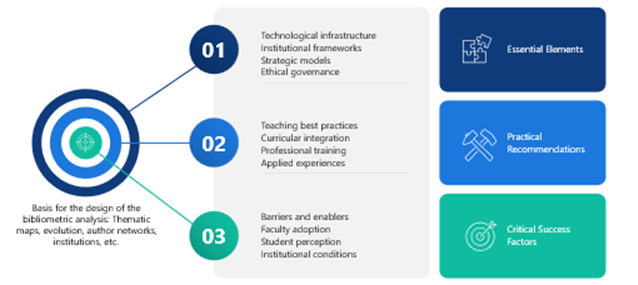
Figure 1. Framework for the thematic and evolutionary mapping of this bibliometric study.
3. Materials and Methods
This study adopts a bibliometric approach to map, quantify, and analyze the evolution, impact, and thematic structure of scientific literature on the strategic integration of AI in higher education. This methodology is based on its ability to process large volumes of information, reveal hidden patterns, and construct knowledge maps useful for academic and institutional decision-making (Donthu et al., 2021; Zupic & Čater, 2015). The selected data source was Scopus, due to its comprehensive coverage, rigorous editorial validation, and appropriate metadata structure for quantitative analysis, qualities widely recognized in specialized literature (Baas et al., 2020; Pranckutė, 2021). The search was conducted in March 2025 using the string: “AI” OR ‘artificial intelligence’ OR ‘machine learning’ OR ‘deep learning’ OR ‘natural language processing’ OR ‘intelligent tutoring system*’ OR ‘reinforcement learning’ OR ‘generative artificial intelligence’ OR ‘generative AI’ OR ‘large language model*’. In addition to the Subcategory higher education: (“higher education” OR university* OR undergraduate* OR graduate* OR postgraduate* OR postgraduate*). This strategy yielded 708 documents for the period 1995–2024.
However, for this study, the sub-period 2019–2024 was selected, considering it represents the most recent and significant stage in terms of production and thematic evolution. The year 2025 was excluded from the main analysis as it is still ongoing. Documents were also screened by removing those classified as Note (3), Retracted (2), and Editorial (1), resulting in a final corpus of 627 valid documents, of which 547 correspond to the analyzed period (2019–2024). Figure 2 shows the inclusion and exclusion criteria for the search.
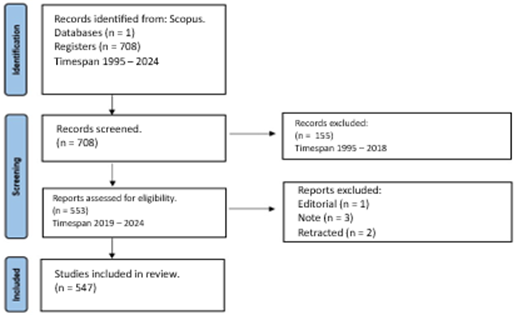
Figure 2. Document selection flowchart
The bibliometric analysis was structured on three levels: dynamics of scientific production (documents, authors, countries, sources), impact analysis (citations, h, g, and m indices), and thematic evolutionary analysis. For this, three complementary tools were used: VOSviewer version 1.6.20 (van Eck & Waltman, 2010), RStudio version 2024.12.1 with Bibliometrix (Aria & Cuccurullo, 2017), and Microsoft Excel 365 version 2408 (Meyer & Avery, 2009; Neyeloff et al., 2012). VOSviewer was used for network visualization and citation analysis among authors, sources, and institutions. This software is widely validated for its ability to generate maps of scientific relationships from complex metadata structures (McAllister et al., 2022; van Eck & Waltman, 2010). The generated figures allow for the visual observation of the collaborative structure of the field and the most significant production cores.
RStudio, in combination with the Bibliometrix package, was used for thematic analysis and the evolution of subthemes. The Louvain clustering algorithm was applied to the Abstract field, limiting term extraction to a maximum of three words to ensure specificity without losing semantic coverage. The themes were classified into four quadrants according to their levels of centrality and density: motors, basic, emerging, and declining, following the methodology of Callon (Aria & Cuccurullo, 2017; Donthu et al., 2021). The figures generated in RStudio present the thematic maps corresponding to the analyzed annual periods, as well as the evolution of key concepts around the three subthemes: essential elements, practical recommendations, and critical success factors. Microsoft Excel 365 was used as a complementary tool for descriptive analysis, construction of summary tables, cross-verification of data, and creation of additional figures such as frequency histograms, line charts by year, and comparative impact tables (Meyer & Avery, 2009; Neyeloff et al., 2012). These visualizations helped reinforce the findings and facilitate their interpretation from a quantitative perspective.
At the level of indicators, productivity metrics (number of documents, average citations per document, documents per author), impact (TC, TC per year, h, g, and m indices), and concentration (number of countries, institutions, and sources with high production) were applied. This comprehensive approach allowed for identifying both the external structure of the field (authors, countries, sources) and its internal structure (thematic topics), in line with the guidelines proposed by Mukherjee et al. (2022) and Todeschini and Baccini (2016). Overall, the applied methodology ensures comprehensive coverage of the phenomenon under study, combining advanced bibliometric tools and visual approaches that clearly identify the evolutionary dynamics of knowledge. The resulting figures generated in VOSviewer, RStudio, and Excel not only enrich the analysis but also provide an accessible representation of complex networks, thematic trends, and key metrics that support the conclusions of the study.
4. Results
4.1. Thematic Dynamics of AI in Higher Education (2019–2024)
Between 2019 and 2024, the literature on the strategic integration of AI in higher education has shown a diverse thematic evolution, as evidenced by the data in Table 1 from the thematic map generated by RStudio (Figure 3). The core themes—those combining high centrality and density—are represented by the clusters "higher education; ChatGPT; AI" (Callon Centrality: 5.338; Callon Density: 56.831; frequency: 381) (Lin, 2023; Uddin et al., 2023), "artificial intelligence; machine learning; education" (4.858; 56.369; 423) (Akbari & Do, 2021; Moye, 2019), and "digital transformation; bibliometric analysis; online learning" (1.812; 51.327; 102) (Blankenship, 2021; Ouyang et al., 2022). These themes form the backbone of the field, being widely connected with other areas and having a strong conceptual base. They consolidate discussions around the use of tools like ChatGPT, the impact of machine learning, and digital transformation in the university environment.
Table 1. Centrality and density of thematic clusters generated by RStudio
|
Callon Centrality |
Callon Density |
Rank Centrality |
Rank Density |
Cluster Frequency |
|
|
higher education; ChatGPT; AI |
5.338 |
56.831 |
10 |
4 |
381 |
|
artificial intelligence, machine learning; education |
4.858 |
56.369 |
9 |
3 |
423 |
|
educational technology; learning; learning analytics |
3.831 |
62.894 |
8 |
8 |
70 |
|
active learning; assessment; innovation |
1.869 |
81.826 |
7 |
10 |
81 |
|
digital transformation; bibliometrics analysis; online learning |
1.812 |
51.327 |
6 |
1 |
102 |
|
higher education institutions; performance; business intelligence |
1.052 |
57.846 |
5 |
5 |
30 |
|
artificial intelligence (AI); virtual reality; change management |
0.919 |
60.301 |
4 |
7 |
41 |
|
industry 4.0; bibliometric; prediction |
0.624 |
58.544 |
3 |
6 |
56 |
|
distance learning; information literacy; education technology |
0.000 |
52.778 |
1.5 |
2 |
10 |
|
AI tools; collaborative learning; personalized learning |
0.000 |
75.000 |
1.5 |
9 |
6 |
Concurrently, motor themes emerging are those that, although less central, have high thematic density, suggesting they are well-developed conceptually and are pushing new research lines. Such is the case for "educational technology; learning; learning analytics" (3.831; 62.894; 70) (Alam & Mohanty, 2022; Villagrán, 2021) and "active learning; assessment; innovation" (1.869; 81.826; 81) (Duffy et al., 2019; Johnson et al., 2019), which indicate a growing interest in learning analytics and active methodologies in AI-enhanced environments. On the other hand, niche themes are identified, such as "artificial intelligence (AI); virtual reality; change management" (0.919; 60.301; 41) (Francke & Alexander, 2019; Moye, 2019; Popkova & Gulzat, 2020), "industry 4.0; bibliometric; prediction" (0.624; 58.544; 56) (Mhlanga, 2023; Mogul & Shah, 2021) and "AI tools; collaborative learning; personalized learning" (0; 75; 6) (Montebello, 2021). These are developed in isolation, with little connection to the core of the thematic network, though their high density indicates theoretical specialization. They may represent mature but peripheral fields, or potential future lines of development if they manage to better connect with the central themes.
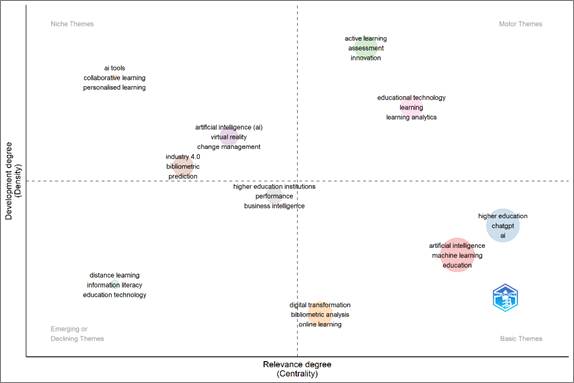
Figure 3. Thematic Mapping generated by RStudio
Finally, themes like "higher education institutions; performance; business intelligence" (1.052; 57.846; 30) (Sequeira et al., 2023; Tominc & Rožman, 2023) and "distance learning; information literacy; education technology" (0; 52.778; 10) appear as emerging or in decline (Chatikobo & Pasipamire, 2024), given their low centrality and density. Their position suggests they are losing prominence or have not yet been fully integrated into the dominant discourse. This could be due to shifts in research priorities following the pandemic or the emergence of new technologies like generative AI, which have redirected academic focus.
4.2. Evolution of Key Subthemes in the Integration of AI in Higher Education (2019–2024)
Using RStudio and limiting the analysis to abstract fields with phrases of up to three words, the study applied the Louvain algorithm to group related concepts. The evolution of research topics is presented in Figure 4, highlighting three dominant subthemes across the years: essential elements, critical success factors, and practical recommendations. In 2019 and 2022, terms such as "key success factors" and "decision support" were prominent, showing the field's early focus on identifying conditions for effective AI implementation. These concerns are evident in works by Duffy et al. (2019) and Subaeki et al. (2019). Starting in 2020, attention shifted toward essential elements, with terms like "communication technologies ICT", "artificial neural networks", and "deep learning algorithms" gaining prominence, reflecting interest in the technological underpinnings of educational change. These elements were emphasized in studies by Alkadri et al. (2021) and Rodríguez-Hernández et al. (2021).
The year 2023 marked a peak in production and impact, with 111 documents published and an average of 5.77 citations per year. This suggests strong academic consolidation of the themes. In 2024, however, a shift occurred. Although production increased sharply to 292 documents, average citations per article dropped to 4.37 and per year to 2.18. This decreases likely corresponds to the rise of a new central topic: "generative artificial intelligence", led by authors like Michel-Villarreal et al. (2023), C. Wang et al. (2024), and J. Yang et al. (2024). The prominence of this concept suggests a change from foundational exploration to the application of AI tools in educational settings, particularly for teaching and assessment.
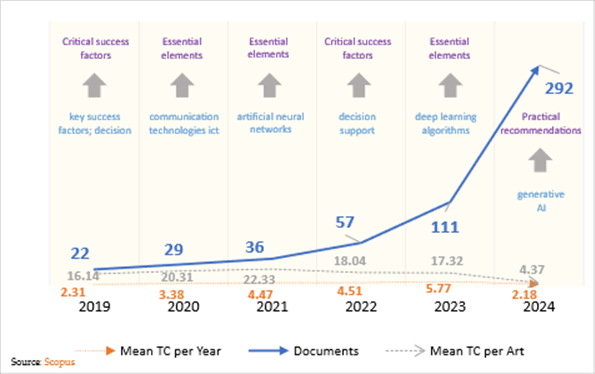
Figure 4. Themes and sub-themes during 2019—2024
4.3. Authors, institutions, countries and relevant sources in the field of study
Analysis of 2,149 authors (Table 2) reveals ten prominent researchers, all of whom began publishing in 2024. Their m-index is 1 or greater, indicating strong early impact. Tariq Mu leads with an h-index of 3 and 22 citations across three articles. Wang Y and Chan CKY follow closely with two publications each and 20 and 48 citations, respectively, suggesting high impact per paper.
Table 2. Ten most relevant authors
|
h-index |
g-index |
m-index |
TC |
NP |
PY-start |
|
|
Tariq Mu (Tariq, 2024b, 2024a, 2024c) |
3 |
3 |
1.5 |
22 |
3 |
2024 |
|
Chan CKY (Chan & Colloton, 2024; Chan & Tsi, 2024) |
2 |
2 |
1 |
48 |
2 |
2024 |
|
Joshith VP (Kavitha et al., 2024; Kavitha & Joshith, 2024; Ranjan et al., 2024) |
2 |
2 |
1 |
7 |
3 |
2024 |
|
Kavitha K (Kavitha et al., 2024; Kavitha & Joshith, 2024; Ranjan et al., 2024) |
2 |
2 |
1 |
7 |
3 |
2024 |
|
Keller B (Lünich et al., 2024b, 2024a; Lünich & Keller, 2024) |
2 |
3 |
1 |
10 |
3 |
2024 |
|
Liu W (Song et al., 2024; Wu et al., 2024) |
2 |
2 |
1 |
6 |
2 |
2024 |
|
Lünich M (Lünich et al., 2024a, 2024b; Lünich & Keller, 2024) |
2 |
3 |
1 |
10 |
3 |
2024 |
|
Marcinkowski F (Lünich et al., 2024a, 2024b) |
2 |
2 |
1 |
10 |
2 |
2024 |
|
Wang Y (Shi & Wang, 2024; M. Wang et al., 2022) |
2 |
2 |
1 |
20 |
2 |
2024 |
|
Wu C (Moorhouse et al., 2024; Zipf et al., 2024) |
2 |
2 |
1 |
16 |
2 |
2024 |
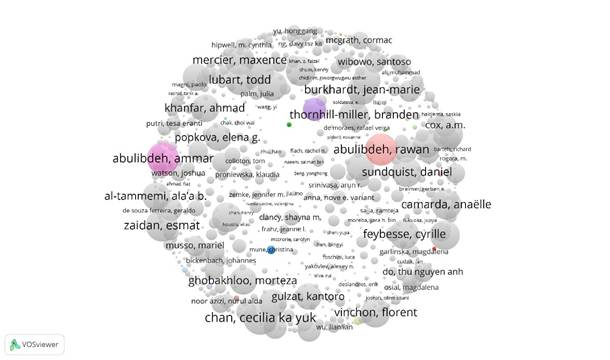
Figure 5. Network visualization of all 2149 authors
Institutional data (Table 3) show that out of 1,667 institutions, several key centers dominate scientific production. Stanford University (USA) leads with 17 documents, followed by Imam Abdulrahman Bin Faisal University and the Islamic University in Medina in Saudi Arabia, with 15 and 13 documents, respectively. Johns Hopkins University (USA) and City University Ajman (UAE) each contribute significantly, with 13 and 11 publications. South and East Asian universities such as Central University of Kerala (India), East West University (Bangladesh), and Chaoyang University of Technology (Taiwan) each produced 10 documents. The University of Dunaújváros (Hungary) and the Duke Institute for Health Innovation (USA) also rank among the top contributors. This shows a truly global research effort, with active centers in both established and emerging regions.
Table 3. Ten relevant institutions in the field
|
City |
Country |
Region |
Documents |
|
|
Stanford University |
Stanford, California |
United States |
North America |
17 |
|
Imam Abdulrahman Bin Faisal University |
Dammam |
Saudi Arabia |
Middle East |
15 |
|
Islamic University in Medina |
Medina |
Saudi Arabia |
Middle East |
13 |
|
Johns Hopkins University |
Baltimore, Maryland |
United States |
North America |
13 |
|
City University Ajman |
Ajman |
United Arab Emirates |
Middle East |
11 |
|
Central University of Kerala |
Kasaragod |
India |
South Asia |
10 |
|
Chaoyang University of Technology |
Taichung |
Taiwan |
East Asia |
10 |
|
East West University |
Dhaka |
Bangladesh |
South Asia |
10 |
|
University of Dunaújváros |
Dunaújváros |
Hungary |
Central Europe |
10 |
|
Duke Institute for Health Innovation |
Durham, North Carolina |
United States |
North America |
9 |
Table 4. Ten most relevant countries
|
TD |
Total Citations |
|
|
United States |
90 |
890 |
|
China |
52 |
616 |
|
India |
38 |
128 |
|
United Kingdom |
32 |
582 |
|
Germany |
27 |
102 |
|
Malaysia |
27 |
234 |
|
Australia |
23 |
28 |
|
Saudi Arabia |
23 |
120 |
|
Indonesia |
22 |
95 |
|
Spain |
20 |
35 |
Figure 6 displays these continental disparities. Overall, only 97 of the 195 countries in the world have contributed to the topic, representing 49.74%, while the remaining 50.26% show no participation (Nationsonline, 2014). This balance reflects both widespread interest and large gaps in global engagement.
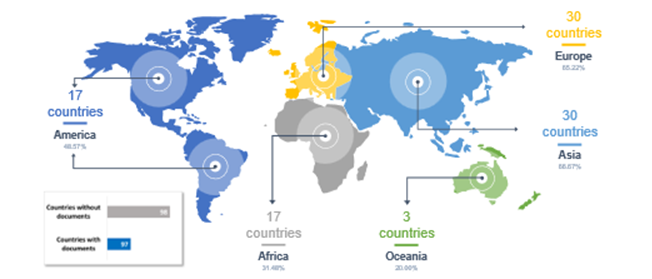
Figure 6. Global scientific production
Among the 397 journals and conference proceedings analyzed, ten have emerged as the most influential (Table 5). Sustainability (Switzerland) leads in volume with 10 publications and an h-index of 7. Education Sciences and Computers and Education: Artificial Intelligence each have 9 publications. Education Sciences has 294 citations and a g-index of 9, while CEAI follows with 258 citations. The International Journal of Educational Technology in Higher Education stands out with 529 citations from only four articles, making it the most impactful source overall.
Table 5. Ten most relevant sources in the field and their impact
|
h- index |
g-index |
m-index |
TC |
NP |
PY-start |
|
|
Sustainability (Switzerland) |
7 |
10 |
1.167 |
202 |
10 |
2020 |
|
Computers and Education: Artificial Intelligence |
4 |
9 |
0.800 |
258 |
9 |
2021 |
|
Education Sciences |
4 |
9 |
1.000 |
294 |
9 |
2022 |
|
Education and Information Technologies |
3 |
3 |
0.750 |
332 |
3 |
2022 |
|
Heliyon |
3 |
3 |
1.000 |
25 |
3 |
2023 |
|
IEEE Access |
3 |
4 |
1.000 |
26 |
4 |
2023 |
|
International Journal of Educational Technology in Higher Education |
3 |
4 |
0.600 |
529 |
4 |
2021 |
|
JMIR Research Protocols |
3 |
3 |
0.750 |
11 |
3 |
2022 |
|
Lecture Notes in Computer Science (Including Subseries Lecture Notes in Artificial Intelligence and Lecture Notes in Bioinformatics) |
3 |
5 |
0.429 |
26 |
10 |
2019 |
|
ACM International Conference Proceeding Series |
2 |
6 |
0.333 |
41 |
10 |
2020 |
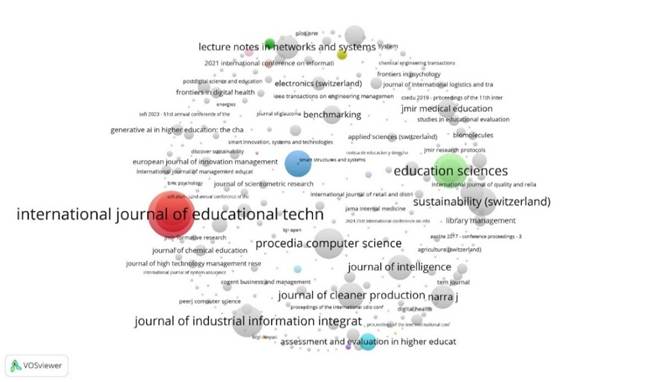
Figure 7. Network visualization of 397 sources
4.4. Most cited documents and their relationship to strategic sub-themes
According to Table 6, the ten most cited documents align clearly with the study’s subthemes. Crompton and Burke (2023) lead with 395 citations and a normalized impact of 22.80, focusing on foundational elements of AI in education. Ouyang et al. (2022), with 300 citations, reinforces the role of digital infrastructure. Michel-Villarreal et al. (2023) and Abulibdeh et al. (2024) highlight generative AI and ethical guidance, offering practical recommendations with normalized impacts of 15.24 and 37.53, respectively.
Table 6. Ten most cited documents
|
Total Citations |
TC per Year |
Normalized TC |
Associated Strategic Subtheme |
|
|
Artificial intelligence in higher education: the state of the field (Crompton & Burke, 2023) |
395 |
131.67 |
22.80 |
Essential Elements |
|
Artificial intelligence in online higher education: A systematic review of empirical research from 2011 to 2020 (Ouyang et al., 2022) |
300 |
75.00 |
16.63 |
Essential Elements |
|
Challenges and Opportunities of Generative AI for Higher Education as Explained by ChatGPT (Michel-Villarreal et al., 2023) |
264 |
88.00 |
15.24 |
Practical Recommendations |
|
Rethinking engineering education at the age of industry 5.0 (Gürdür Broo et al., 2022) |
241 |
60.25 |
13.36 |
Critical Success Factors |
|
Digital Transformation Process and SMEs (Ulas, 2019) |
229 |
32.71 |
14.19 |
Critical Success Factors |
|
Navigating the confluence of artificial intelligence and education for sustainable development in the era of industry 4.0: Challenges, opportunities, and ethical dimensions (Abulibdeh et al., 2024) |
164 |
82.00 |
37.53 |
Practical Recommendations |
|
Creativity, Critical Thinking, Communication, and Collaboration: Assessment, Certification, and Promotion of 21st Century Skills for the Future of Work and Education (Thornhill-Miller et al., 2023) |
150 |
50.00 |
8.66 |
Essential Elements |
|
Determinants of Intention to Use ChatGPT for Educational Purposes: Findings from PLS-SEM and fsQCA (Foroughi et al., 2024) |
137 |
68.50 |
31.35 |
Practical Recommendations |
|
ChatGPT applications in medical, dental, pharmacy, and public health education: A descriptive study highlighting the advantages and limitations (Sallam et al., 2023) |
134 |
44.67 |
7.73 |
Practical Recommendations |
|
Technological Revolution in the 21st Century: Digital Society vs. Artificial Intelligence (Popkova & Gulzat, 2020) |
132 |
22.00 |
6.50 |
Critical Success Factors |
Ulas (2019) and Gürdür Broo et al. (2022) discuss broader transformations and engineering education, aligning with critical success factors. Foroughi et al. (2024) and Sallam et al. (2023) explore ChatGPT's applications, offering empirical evidence for adoption strategies. Thornhill-Miller et al. (2023) and Popkova and Gulzat (2020) expand the discussion with insights on 21st-century skills and structural change. These top-cited studies demonstrate strong alignment with the proposed analytical framework and confirm the relevance of the identified subthemes in the global research agenda.
5. Discussion and Conclusions
This discussion interprets and synthesizes the findings from a critical perspective, addressing the research questions that guided this bibliometric study on the strategic integration of AI in higher education. This section also highlights the implications of the study, its limitations, and the future research directions emerging from the findings. Regarding the first research question (RQ1), the results of the thematic map indicate that the central themes structuring the literature are those integrating "higher education; ChatGPT; AI", "artificial intelligence; machine learning; education" and "digital transformation; bibliometric analysis; online learning". These clusters, characterized by high centrality and density, not only shape the backbone of the field but also reveal a theoretical maturity regarding the use of AI tools, machine learning, and digital transformation processes in university settings. These findings align with those proposed by Karan and Chakma (2025), who highlight the relevance of student acceptance of AI tools in higher education contexts, and with Anik et al. (2025), who focus on institutional maturity frameworks to integrate Quality 4.0. On the other hand, driving themes such as "educational technology" and "learning analytics" show well-developed new conceptual directions, although they are still somewhat disconnected from the core. The emergence of niche and declining terms like "industry 4.0" and "information literacy" suggests a reshuffling of the field, possibly driven by the surge in generative AI. This interpretation confirms that the research has moved from consolidating tools and theoretical approaches to exploring new emerging applications.
Concerning the second question (RQ2), the thematic analysis reveals a clear evolution of strategic subthemes between 2019 and 2024. Initially, critical success factors dominated the discussion, denoting a concern for understanding the necessary conditions for effective AI adoption. This result aligns with studies like that of Alzahrani et al. (2025), which identify institutional barriers, and Dhamija and Dhamija (2025), who analyze teacher attitudes towards AI as a determinant of success. Subsequently, from 2020, essential elements such as "communication technologies", "deep learning", and "artificial neural networks" gained prominence, reflecting a shift towards structural and technical aspects. This finding reaffirms what Medina-Gual and Parejo (2025), report, focusing on the technological implications of student autonomy, and by Jaboob et al. (2025), addressing ethical use policies for generative tools. Finally, in 2023 and 2024, practical recommendations emerged, driven by the widespread use of tools like ChatGPT. This was also observed by Alm (2024) and Michel-Villarreal et al. (2023), who highlight the role of generative AI in academic writing and evaluation. This thematic shift, although associated with a higher number of publications, shows a slight decline in average impact, which may be due to the novelty of the approaches and the need for more empirical validation. Collectively, a transition is observed from the "why" and "what" to the "how" to integrate AI into higher education institutions.
Regarding the third question (RQ3), the analysis of authors, institutions, countries, and sources demonstrates geographical and editorial concentration. Emerging authors such as Tariq Mu and Chan CKY, all active since 2024, reflect the recent surge in the topic. Institutions like Stanford University and universities in the Middle East lead production, while the United States, China, and the United Kingdom stand out both in volume and impact. However, only 49.74% of the countries have contributed at least one document, highlighting uneven global participation. The most influential sources, such as Sustainability, Education Sciences, and International Journal of Educational Technology in Higher Education, consolidate both volume and citations, establishing themselves as the main vehicles for knowledge dissemination in this area. The fourth question (RQ4) allows for analyzing the relationship between the most cited documents and the study's subthemes. The results confirm that the most influential articles not only have a high impact but also clearly represent the three subthemes: from essential elements like the review by Crompton and Burke (2023) to practical recommendations like the study by Michel-Villarreal et al. (2023), and critical success factors like the work of Gürdür Broo et al. (2022). This empirical coherence reinforces the validity of the adopted conceptual structure and its usefulness for organizing the bibliometric study field.
From a theoretical and practical perspective, this study contributes to delineating a structured map of research on AI in higher education, facilitating the identification of thematic priorities, knowledge gaps, and future academic leaders. Among the most relevant implications is the utility of the thematic approach for guiding institutional policies, designing teacher training programs, and defining emerging research lines. For example, the results can serve as input for universities to establish roadmaps for evidence-based AI adoption, prioritizing areas with high centrality. Additionally, thematic clusters can guide the design of teacher training programs that address digital competencies most linked to driving themes, such as the pedagogical use of generative AI or analytical learning. Moreover, funding institutions can use these findings to focus research calls on emerging subthemes of high density, promoting the development of new interdisciplinary lines in the field. However, this study also faces limitations. The selection of documents is limited to the period 2019–2024, and the analysis is based on bibliographic records, which may exclude relevant works not indexed or in other languages. Additionally, the results reflect short-term trends due to the novelty of the topic.
For future lines, it is recommended to conduct co-authorship studies, regional comparisons, and longitudinal analyses to observe the consolidation of emerging themes. For instance, a co-authorship study could identify international collaboration networks and their influence on the quality of scientific outcomes; a regional comparison could reveal structural inequalities in AI adoption among universities in Latin America and Asia; and a longitudinal analysis could trace the thematic evolution of generative AI use from its emergence in 2022 to its curricular integration in subsequent years. Additionally, integrating systematic review methods or data science could enrich the understanding of the phenomenon, for example, by contrasting bibliometric results with qualitative findings on student perception or by using text mining to identify patterns in the pedagogical application of AI. In conclusion, AI in higher education constitutes a rapidly expanding field, where the articulation between technology, pedagogy, and institutional management will be key to advancing towards truly strategic integration models.
Author Contributions: The author was solely responsible for the conceptualization, methodology, data collection, analysis, interpretation of results, and writing of the manuscript. The author has read and approved the final version of the manuscript.
Funding: This research received no external funding.
Data Availability Statement: Data from this study are included in this document. This study has a bibliometric approach, and the data used were generated from the Scopus database.
Conflicts of Interest: The authors declare no conflicts of interest.
References
Abulibdeh, A., Zaidan, E., & Abulibdeh, R. (2024). Navigating the confluence of artificial intelligence and education for sustainable development in the era of industry 4.0: Challenges, opportunities, and ethical dimensions. Journal of Cleaner Production, 437. https://doi.org/10.1016/j.jclepro.2023.140527
Akbari, M., & Do, T. N. A. (2021). A systematic review of machine learning in logistics and supply chain management: current trends and future directions. Benchmarking, 28(10), 2977–3005. https://doi.org/10.1108/BIJ-10-2020-0514
Alam, A., & Mohanty, A. (2022). Business Models, Business Strategies, and Innovations in EdTech Companies: Integration of Learning Analytics and Artificial Intelligence in Higher Education. 2022 IEEE 6th Conference on Information and Communication Technology, CICT 2022. https://doi.org/10.1109/CICT56698.2022.9997887
Alkadri, S., Ledwos, N., Mirchi, N., Reich, A., Yilmaz, R., Driscoll, M., & Del Maestro, R. F. (2021). Utilizing a multilayer perceptron artificial neural network to assess a virtual reality surgical procedure. Computers in Biology and Medicine, 136. https://doi.org/10.1016/j.compbiomed.2021.104770
Alm, A. (2024). Exploring Autonomy in the AI Wilderness: Learner Challenges and Choices. Education Sciences, 14(12). https://doi.org/10.3390/educsci14121369
Alzahrani, B., Bahaitham, H., & Elshennawy, A. (2025). A validated framework for assessing the maturity level of implementing quality 4.0 in higher education institutions. Journal of Industrial Information Integration, 45. https://doi.org/10.1016/j.jii.2025.100823
Anik, M. H., Raaz, S. N. C., & Khan, N. (2025). Embracing AI Assistants: Unraveling Young Researchers’ Journey with ChatGPT in Science Education Thesis Writing. International Journal of Artificial Intelligence in Education, 35(1), 225–244. https://doi.org/10.1007/s40593-024-00438-6
Aria, M., & Cuccurullo, C. (2017). bibliometrix : An R-tool for comprehensive science mapping analysis. Journal of Informetrics, 11(4), 959–975. https://doi.org/10.1016/j.joi.2017.08.007
Baas, J., Schotten, M., Plume, A., Côté, G., & Karimi, R. (2020). Scopus as a curated, high-quality bibliometric data source for academic research in quantitative science studies. Quantitative Science Studies, 1(1), 377–386. https://doi.org/10.1162/qss_a_00019
Blankenship, R. J. (2021). Deep fakes, fake news, and misinformation in online teaching and learning technologies. In Deep Fakes, Fake News, and Misinformation in Online Teaching and Learning Technologies. https://doi.org/10.4018/978-1-7998-6474-5
Chan, C. K. Y., & Colloton, T. (2024). Generative AI in Higher Education: The ChatGPT Effect. In Generative AI in Higher Education: The ChatGPT Effect. https://doi.org/10.4324/9781003459026
Chan, C. K. Y., & Tsi, L. H. Y. (2024). Will generative AI replace teachers in higher education? A study of teacher and student perceptions. Studies in Educational Evaluation, 83. https://doi.org/10.1016/j.stueduc.2024.101395
Chatikobo, M. V, & Pasipamire, N. (2024). Readiness to embrace artificial intelligence in information literacy instruction at a Zimbabwean University. Cogent Education, 11(1). https://doi.org/10.1080/2331186X.2024.2425209
Crompton, H., & Burke, D. (2023). Artificial intelligence in higher education: the state of the field. International Journal of Educational Technology in Higher Education, 20(1). https://doi.org/10.1186/s41239-023-00392-8
Dhamija, A., & Dhamija, D. (2025). Understanding Teachers’ Perspectives on ChatGPT-Generated Assignments in Higher Education. Journal of Interdisciplinary Studies in Education, 14(1), 38–62. https://doi.org/10.32674/ptf9yd75
Donthu, N., Kumar, S., Mukherjee, D., Pandey, N., & Lim, W. M. (2021). How to conduct a bibliometric analysis: An overview and guidelines. Journal of Business Research, 133, 285–296. https://doi.org/10.1016/j.jbusres.2021.04.070
Duffy, M., James, J., Campbell, C., & Williams, J. C. (2019). Key success factors to implementing an active learning platform. ASCILITE 2017 - Conference Proceedings - 34th International Conference of Innovation, Practice and Research in the Use of Educational Technologies in Tertiary Education, 63–67. https://goo.su/mDR1D
Foroughi, B., Senali, M. G., Iranmanesh, M., Khanfar, A., Ghobakhloo, M., Annamalai, N., & Naghmeh-Abbaspour, B. (2024). Determinants of Intention to Use ChatGPT for Educational Purposes: Findings from PLS-SEM and fsQCA. International Journal of Human-Computer Interaction, 40(17), 4501–4520. https://doi.org/10.1080/10447318.2023.2226495
Francke, E., & Alexander, B. (2019). The Potential Influence of Artificial Intelligence on Plagiarism: A Higher Education Perspective. European Conference on the Impact of Artificial Intelligence and Robotics, ECIAIR 2019, 131–140. https://doi.org/10.34190/ECIAIR.19.043
Gürdür Broo, D., Kaynak, O., & Sait, S. M. (2022). Rethinking engineering education at the age of industry 5.0. Journal of Industrial Information Integration, 25. https://doi.org/10.1016/j.jii.2021.100311
Jaboob, M., Hazaimeh, M., & Al-Ansi, A. M. (2025). Integration of Generative AI Techniques and Applications in Student Behavior and Cognitive Achievement in Arab Higher Education. International Journal of Human-Computer Interaction, 41(1), 353–366. https://doi.org/10.1080/10447318.2023.2300016
Johnson, A. W., Blackburn, M. W., Su, M. P., & Finelli, C. J. (2019). How a Flexible Classroom Affords Active Learning in Electrical Engineering. IEEE Transactions on Education, 62(2), 91–98. https://doi.org/10.1109/TE.2018.2867447
Karan, B., & Chakma, C. (2025). Influence of higher education students’ perceived behaviour on their artificial intelligence acceptance: an empirical investigation using technology acceptance model. Journal of Applied Research in Higher Education. https://doi.org/10.1108/JARHE-11-2023-0535
Kavitha, K., & Joshith, V. P. (2024). Factors Shaping the Adoption of AI Tools among Gen Z: An Extended UTAUT2 Model Investigation Using CB-SEM. Bulletin of Science, Technology and Society, 44(1–2), 12–32. https://doi.org/10.1177/02704676241283362
Kavitha, K., Joshith, V. P., Rajeev, N. P., & Asha, S. (2024). Artificial Intelligence in Higher Education: A Bibliometric Approach. European Journal of Educational Research, 13(3), 1121–1137. https://doi.org/10.12973/eu-jer.13.3.1121
Lin, J. (2023). ChatGPT and Moodle Walk into a Bar: Capabilities, Integration, Use Cases, and Challenges. 2023 IEEE International Conference on Teaching, Assessment and Learning for Engineering, TALE 2023 - Conference Proceedings. https://doi.org/10.1109/TALE56641.2023.10398369
Lünich, M., & Keller, B. (2024). Explainable Artificial Intelligence for Academic Performance Prediction. An Experimental Study on the Impact of Accuracy and Simplicity of Decision Trees on Causability and Fairness Perceptions. 2024 ACM Conference on Fairness, Accountability, and Transparency, FAccT 2024, 1031–1042. https://doi.org/10.1145/3630106.3658953
Lünich, M., Keller, B., & Marcinkowski, F. (2024a). Diverging perceptions of artificial intelligence in higher education: A comparison of student and public assessments on risks and damages of academic performance prediction in Germany. Computers and Education: Artificial Intelligence, 7. https://doi.org/10.1016/j.caeai.2024.100305
Lünich, M., Keller, B., & Marcinkowski, F. (2024b). Fairness of Academic Performance Prediction for the Distribution of Support Measures for Students: Differences in Perceived Fairness of Distributive Justice Norms. Technology, Knowledge and Learning, 29(2), 1079–1107. https://doi.org/10.1007/s10758-023-09698-y
McAllister, J. T., Lennertz, L., & Atencio Mojica, Z. (2022). Mapping A Discipline: A Guide to Using VOSviewer for Bibliometric and Visual Analysis. Science and Technology Libraries, 41(3), 319–348. https://doi.org/10.1080/0194262X.2021.1991547
Medina-Gual, L., & Parejo, J.-L. (2025). Perceptions and Use of AI in Higher Education Students: Impact on Teaching, Learning, and Ethical Considerations. European Journal of Education, 60(1). https://doi.org/10.1111/ejed.12919
Meyer, D. Z., & Avery, L. M. (2009). Excel as a Qualitative Data Analysis Tool. Field Methods, 21(1), 91–112. https://doi.org/10.1177/1525822X08323985
Mhlanga, D. (2023). The Fundamental Strategies that will Drive Higher Educational Sector Towards Digital Transformation in Industry 4.0. Emerging Science Journal, 7(Special issue 2), 125–134. https://doi.org/10.28991/ESJ-2023-SIED2-010
Michel-Villarreal, R., Vilalta-Perdomo, E., Salinas-Navarro, D. E., Thierry-Aguilera, R., & Gerardou, F. S. (2023). Challenges and Opportunities of Generative AI for Higher Education as Explained by ChatGPT. Education Sciences, 13(9). https://doi.org/10.3390/educsci13090856
Mogul, I., & Shah, S. (2021). Examine the impact of Technology and Industry 4.0 for Student Performance in Higher Education. 2021 IEEE International Conference on Technology Management, Operations and Decisions, ICTMOD 2021. https://doi.org/10.1109/ICTMOD52902.2021.9739579
Montebello, M. (2021). Personalized Learning Environments. Proceedings - 2021 International Symposium on Educational Technology, ISET 2021, 134–138. https://doi.org/10.1109/ISET52350.2021.00036
Moore, S. J., & McCullagh, P. (2024). Sustainability, Ethics and Artificial Intelligence in Computing Education. Proceedings of the 35th Irish Systems and Signals Conference, ISSC 2024. https://doi.org/10.1109/ISSC61953.2024.10603347
Moorhouse, B. L., Wan, Y., Wu, C., Kohnke, L., Ho, T. Y., & Kwong, T. (2024). Developing language teachers’ professional generative AI competence: An intervention study in an initial language teacher education course. System, 125. https://doi.org/10.1016/j.system.2024.103399
Mosch, L. K., Poncette, A.-S., Spies, C., Weber-Carstens, S., Schieler, M., Krampe, H., & Balzer, F. (2022). Creation of an Evidence-Based Implementation Framework for Digital Health Technology in the Intensive Care Unit: Qualitative Study. JMIR Formative Research, 6(4). https://doi.org/10.2196/22866
Moye, J. N. (2019). A MACHINE LEARNING, ARTIFICIAL INTELLIGENCE APPROACH TO INSTITUTIONAL EFFECTIVENESS IN HIGHER EDUCATION. In A Machine Learning, Artificial Intelligence Approach to Institutional Effectiveness in Higher Education. https://doi.org/10.1108/9781789738995
Mukherjee, D., Lim, W. M., Kumar, S., & Donthu, N. (2022). Guidelines for advancing theory and practice through bibliometric research. Journal of Business Research, 148, 101–115. https://doi.org/10.1016/j.jbusres.2022.04.042
Nationsonline. (2014). Nations Online. Nations Online Project. https://nationsonline.org/oneworld/sitemap.htm
Neyeloff, J. L., Fuchs, S. C., & Moreira, L. B. (2012). Meta-analyses and Forest plots using a microsoft excel spreadsheet: step-by-step guide focusing on descriptive data analysis. BMC Research Notes, 5(1), 52. https://doi.org/10.1186/1756-0500-5-52
Ng, D. T. K., Wu, W., Leung, J. K. L., Chiu, T. K. F., & Chu, S. K. W. (2024). Design and validation of the AI literacy questionnaire: The affective, behavioural, cognitive and ethical approach. British Journal of Educational Technology, 55(3), 1082–1104. https://doi.org/10.1111/bjet.13411
Nuthanapati, A. K., Cherukuri, K., & Dukkipati, N. R. (2022). Education Process Re-engineering through Spectral Pyramid Framework to Achieve Excellence in Engineering Education. Journal of Engineering Education Transformations, 35(Special Issue 1), 81–86. https://doi.org/10.16920/jeet/2022/v35is1/22012
Olasiuk, H., Kumar, S., Singh, S., & Ganushchak, T. (2023). Mapping Research Clusters of Artificial Intelligence for Financial Services Using Topic Modelling: A Machine Learning Insight. 2023 Global Conference on Information Technologies and Communications, GCITC 2023. https://doi.org/10.1109/GCITC60406.2023.10426342
Ouyang, F., Zheng, L., & Jiao, P. (2022). Artificial intelligence in online higher education: A systematic review of empirical research from 2011 to 2020. Education and Information Technologies, 27(6), 7893–7925. https://doi.org/10.1007/s10639-022-10925-9
Pandey, N., Andres, C., & Kumar, S. (2023). Mapping the corporate governance scholarship: Current state and future directions. Corporate Governance: An International Review, 31(1), 127–160. https://doi.org/10.1111/corg.12444
Popkova, E. G., & Gulzat, K. (2020). Technological Revolution in the 21st Century: Digital Society vs. Artificial Intelligence. In Lecture Notes in Networks and Systems (Vol. 91, pp. 339–345). https://doi.org/10.1007/978-3-030-32015-7_38
Pranckutė, R. (2021). Web of Science (WoS) and Scopus: the titans of bibliographic information in today’s academic world. Publications, 9(1). https://doi.org/10.3390/publications9010012
Ranjan, S., Joshith, V. P., Kavitha, K., & Chittakath, S. (2024). The AI-knowledge management nexus for sustainable learning: A PLS-SEM study. Knowledge Management and E-Learning, 16(4), 811–837. https://doi.org/10.34105/j.kmel.2024.16.037
Rodríguez-Hernández, C. F., Musso, M., Kyndt, E., & Cascallar, E. (2021). Artificial neural networks in academic performance prediction: Systematic implementation and predictor evaluation. Computers and Education: Artificial Intelligence, 2. https://doi.org/10.1016/j.caeai.2021.100018
Rodriguez-Ruiz, J., Alvarez-Delgado, A., & Caratozzolo, P. (2021). Use of Natural Language Processing (NLP) Tools to Assess Digital Literacy Skills. Future of Educational Innovation Workshop Series - Machine Learning-Driven Digital Technologies for Educational Innovation Workshop 2021. https://doi.org/10.1109/IEEECONF53024.2021.9733779
Sallam, M., Salim, N. A., Barakat, M., & Al-Tammemi, A. B. (2023). ChatGPT applications in medical, dental, pharmacy, and public health education: A descriptive study highlighting the advantages and limitations. Narra J, 3(1). https://doi.org/10.52225/narra.v3i1.103
Sequeira, N., Reis, A., Branco, F., & Alves, P. (2023). Roadmap for Implementing Business Intelligence Systems in Higher Education Institutions: Exploratory Work. ICSBT International Conference on Smart Business Technologies, 2023-July, 162–169. https://doi.org/10.5220/0012118000003552
Shi, J., & Wang, Y. (2024). Prerequisites for the Innovation Performance of Artificial Intelligence Laboratory: A Fuzzy-Set Qualitative Comparative Analysis. IEEE Transactions on Engineering Management, 71, 5341–5356. https://doi.org/10.1109/TEM.2024.3355235
Song, X., Xu, H., Wang, X., Liu, W., Leng, X., Hu, Y., Luo, Z., Chen, Y., Dong, C., & Ma, B. (2024). Use of ultrasound imaging Omics in predicting molecular typing and assessing the risk of postoperative recurrence in breast cancer. BMC Women’s Health, 24(1). https://doi.org/10.1186/s12905-024-03231-8
Subaeki, B., Irfan, M., Adipradana, R. S., Alam, C. N., & Ramdhani, M. A. (2019). Decision support system design of higher education scholarship recipients with android-based. Journal of Physics: Conference Series, 1280(2). https://doi.org/10.1088/1742-6596/1280/2/022016
Tariq, M. U. (2024a). AI-driven learning and engagement in higher education. In AI-Driven Learning and Engagement in Higher Education. https://doi.org/10.4018/979-8-3693-4074-5
Tariq, M. U. (2024b). Generative AI in curriculum development in higher education. In Impacts of Generative AI on Creativity in Higher Education (pp. 227–258). https://doi.org/10.4018/979-8-3693-2418-9.ch009
Tariq, M. U. (2024c). Navigating the personalization pathway: Implementing adaptive learning technologies in higher education. In Adaptive Learning Technologies for Higher Education (pp. 265–291). https://doi.org/10.4018/979-8-3693-3641-0.ch012
Thornhill-Miller, B., Camarda, A., Mercier, M., Burkhardt, J.-M., Morisseau, T., Bourgeois-Bougrine, S., Vinchon, F., El Hayek, S., Augereau-Landais, M., Mourey, F., Feybesse, C., Sundquist, D., & Lubart, T. (2023). Creativity, Critical Thinking, Communication, and Collaboration: Assessment, Certification, and Promotion of 21st Century Skills for the Future of Work and Education. Journal of Intelligence, 11(3). https://doi.org/10.3390/jintelligence11030054
Todeschini, R., & Baccini, A. (2016). Handbook of Bibliometric Indicators: Quantitative Tools for Studying and Evaluating Research. https://doi.org/10.1002/9783527681969
Tominc, P., & Rožman, M. (2023). Artificial Intelligence and Business Studies: Study Cycle Differences Regarding the Perceptions of the Key Future Competences. Education Sciences, 13(6). https://doi.org/10.3390/educsci13060580
Tsekea, S., & Mandoga, E. (2024). The ethics of artificial intelligence use in university libraries in Zimbabwe. Frontiers in Research Metrics and Analytics, 9. https://doi.org/10.3389/frma.2024.1522423
Uddin, S. M. J., Albert, A., Ovid, A., & Alsharef, A. (2023). Leveraging ChatGPT to Aid Construction Hazard Recognition and Support Safety Education and Training. Sustainability (Switzerland), 15(9). https://doi.org/10.3390/su15097121
Ulas, D. (2019). Digital Transformation Process and SMEs. Procedia Computer Science, 158, 662–671. https://doi.org/10.1016/j.procs.2019.09.101
van Eck, N. J., & Waltman, L. (2010). Software survey: VOSviewer, a computer program for bibliometric mapping. Scientometrics, 84(2), 523–538. https://doi.org/10.1007/s11192-009-0146-3
Villagrán, I. (2021). Exploring the Effects of Applying Learning Analytics for Teaching Procedural Skills in Health Sciences Education. Proceedings of the ACM Conference on Computer Supported Cooperative Work, CSCW, 299–302. https://doi.org/10.1145/3462204.3481799
Wang, C., Wang, H., Li, Y., Dai, J., Gu, X., & Yu, T. (2024). Factors Influencing University Students’ Behavioral Intention to Use Generative Artificial Intelligence: Integrating the Theory of Planned Behavior and AI Literacy. International Journal of Human-Computer Interaction. https://doi.org/10.1080/10447318.2024.2383033
Wang, M., Sun, Z., Jia, M., Wang, Y., Wang, H., Zhu, X., Chen, L., & Ji, H. (2022). Intelligent virtual case learning system based on real medical records and natural language processing. BMC Medical Informatics and Decision Making, 22(1). https://doi.org/10.1186/s12911-022-01797-7
Wu, H., Liu, W., & Zeng, Y. (2024). Validating the AI-assisted second language (L2) learning attitude scale for Chinese college students and its correlation with L2 proficiency. Acta Psychologica, 248. https://doi.org/10.1016/j.actpsy.2024.104376
Yang, J., Qiu, H., & Yu, W. (2024). Surging currents: a systematic review of the literature on dynamic stakeholder engagements in higher education in the generative artificial intelligence era. Journal of Asian Public Policy. https://doi.org/10.1080/17516234.2024.2429046
Yang, L., García-Holgado, A., & Martínez-Abad, F. (2023). Digital competence of K-12 pre-service and in-service teachers in China: a systematic literature review. Asia Pacific Education Review, 24(4), 679–693. https://doi.org/10.1007/s12564-023-09888-4
Yaqin, L. N., Bilad, M. R., Yusof, B., Hassan, H., Damit, A. R., & Chuchu, I. F. (2025). Mapping research evolution in higher education: a scientometric analysis of Brunei Darussalam (1986–2024). Discover Sustainability, 6(1). https://doi.org/10.1007/s43621-025-00917-3
Zipf, S., Petricini, T., & Wu, C. (2024). AI Monsters: An application to student and faculty knowledge and perceptions of generative AI. In The Role of Generative AI in the Communication Classroom (pp. 284–299). https://doi.org/10.4018/979-8-3693-0831-8.ch013
Zupic, I., & Čater, T. (2015). Bibliometric Methods in Management and Organization. Organizational Research Methods, 18(3), 429–472. https://doi.org/10.1177/1094428114562629
Disclaimer/Publisher’s Note: The statements, opinions, and data contained in all publications are solely those of the individual authors and contributors, and do not necessarily reflect those of Ceniiac Journal of Negocios Globales, its publisher, or the editors. Neither the journal, the publisher, nor the editors assume responsibility for any harm to people or property resulting from the use of any ideas, methods, instructions, or products mentioned in the content.