
Review Article
AI-Assisted Teaching in Higher Education: Challenges and Opportunities
Universidad Privada Dr. Rafael Belloso Chacín; Maracaibo 4001, Venezuela; rubenmedinae04@gmail.com ORCID: https://orcid.org/0009-0003-2611-7661
Received: 2025-05-05 | Revised: 2025-07-16 | Accepted: 2025-07-20 | Published: 2025-07-21
Citation: Medina, R.H. (2025). AI-Assisted Teaching in Higher Education: Challenges and Opportunities. Ceniiac, 1, e0003. https://doi.org/10.64923/ceniiac.e0003
Copyright: © 2025 by the authors. Licensee Negocios Globales, Maracaibo, Venezuela. This article is an Open Access article distributed under the terms and conditions of the Creative Commons Attribution (CC BY) license.
ISSN: 3105-6237


Abstract: AI-assisted teaching in higher education has led to significant growth in scientific output in recent years, driven by both pedagogical opportunities and the ethical, institutional, and technological challenges it presents. The objective of this study was to analyze, using a bibliometric approach, the evolution, key contributors, central themes, and citation patterns of research on this topic between 2017 and 2024. The Scopus database was used, and 276 documents were processed after a rigorous screening process. The analysis was conducted using RStudio (Bibliometrix), VOSviewer, and Excel. The results show a steady increase in publications, particularly since 2020, with a high concentration in China and strong influence from recent authors and documents. The most relevant topics include the integration of ChatGPT, the formulation of institutional policies, and teacher self-efficacy. The conclusions highlight that, despite the field’s growth, challenges remain in terms of conceptual depth, digital ethics, and teacher training. It is recommended to strengthen collaborative networks, promote interdisciplinary research lines, and develop critical frameworks for the responsible integration of AI in university settings.
Keywords: artificial intelligence; university teaching; higher education; bibliometrics; ChatGPT; educational policies; digital competencies
1. Introduction
The emergence of Artificial Intelligence (AI), particularly in its generative form (GenAI), has rapidly transformed educational environments worldwide, sparking a profound academic debate about its implications, opportunities, and risks in higher education. AI-Assisted Teaching now stands out as one of the most promising—but also most challenging—areas for rethinking pedagogical practice, teaching roles, professional training, and academic ethics. Several recent studies agree that while AI has the potential to enrich teaching and learning through tools like intelligent tutors, automated feedback systems, educational chatbots, personalized learning, and smart platforms, its effective integration requires technological competencies, robust ethical frameworks, and clear institutional policies (Ren & Wu, 2025; Tlais et al., 2025; Velázquez-García et al., 2025).
From an institutional perspective, An et al. (2025) show that the most prestigious universities in the United States have begun to establish differentiated guidelines for the use of generative AI, with generally positive attitudes but strong emphasis on academic integrity and privacy. At the disciplinary level, Wang et al. (2025) identify uneven AI adoption across fields of knowledge, with more frequent use in engineering, medicine, and languages, and note that most applications remain at low levels of pedagogical transformation, according to the SAMR model. Meanwhile, Nadim and Di Fuccio (2025) warn of an unreflective expansion of these technologies, which could weaken critical thinking if not accompanied by ethical and critical integration from faculty. Along these lines, Shtawi and Abd-Rabo (2025) advocate for the design of robust ethical guidelines that include digital citizenship and data protection as central pillars of educational AI use.
Taken together, the literature reflects a growing interest in understanding the impact of AI on university teaching. However, this interest has generated a fragmented, multidisciplinary, and still emerging body of scientific work that lacks systematization and comprehensive analysis of trends, actors, approaches, and knowledge gaps. Although recent systematic reviews exist (Ren & Wu, 2025; P. Wang et al., 2025), they are predominantly qualitative, focusing on pedagogical or ethical dimensions from a thematic standpoint, and lack a global, quantitative, and longitudinal perspective on scientific behavior in this field. In this context, a gap in the literature is evident regarding the lack of comprehensive bibliometric studies that allow for mapping, analyzing, and visualizing the scientific development surrounding the challenges and opportunities of AI-Assisted Teaching in higher education.
This study aims to fill that gap through a bibliometric analysis of documents indexed in the Scopus database between 2017 and 2024, with the goal of addressing the following research questions:
RQ1. How has scientific production on AI-assisted teaching in higher education evolved between 2017 and 2024, and what has been its citation impact?
RQ2. What distinguishes the most influential sources in this field in terms of both productivity and long-term impact?
RQ3. How is intellectual leadership configured in this field based on the productivity, citation, and impact patterns of the most relevant authors?
RQ4. What themes and approaches characterize the most cited documents, and what patterns do they reveal about the field’s academic priorities?
RQ5. How is the scientific productivity and impact of different countries distributed in this field, and what patterns emerge in terms of publication and citation volume?
RQ6. What are the main structural themes identified, and what challenges and opportunities arise from them?
Based on these questions, the main objective of the study is to identify and analyze key trends, sources, authors, most cited documents, leading countries, themes, and research gaps in the field, thereby offering a snapshot of the knowledge produced over the last eight years. The rationale for using a bibliometric method lies in its ability to provide a holistic and objective overview of the scientific landscape, enabling not only the quantification of academic production but also the discovery of hidden patterns, emerging relationships, research priorities, and the conceptual evolution of the field. This methodology, widely validated in previous high-impact studies, is particularly suitable for addressing the phenomenon of AI-assisted teaching, given its interdisciplinary complexity and rapid evolution over a short time span.
As its main contribution, this study provides an updated, evidence-based reference framework for researchers, educational policymakers, curriculum designers, and faculty interested in understanding how the integration of AI in university teaching is being scientifically addressed. Furthermore, it offers strategic insights for future research agendas by identifying thematic gaps, underexplored approaches, and opportunities for international scientific collaboration.
This article is structured into five sections. Following this introduction, a literature review summarizes the main contributions and conceptual tensions surrounding AI-assisted teaching in higher education, with a focus on challenges and opportunities. Next, the bibliometric methodology is described in detail, including the process of data collection, refinement, and analysis from the Scopus database. The fourth section presents the results of the analysis, organized around the six research questions addressing the evolution of scientific production, the most influential sources and authors, the most cited documents, the geographical distribution of knowledge, and the thematic structure of the field. In the fifth section, the findings are discussed considering the reviewed literature, highlighting their academic and practical implications. Finally, the article presents general conclusions, key methodological limitations, and proposes directions for future research in this emerging field.
2. Literature Review on AI-Assisted Teaching in Higher Education
AI has transformed higher education worldwide, introducing new opportunities and challenges for teaching, learning, assessment, and academic management. In recent years, specialized literature has documented significant advances in the adoption of AI-based technologies to support teaching, automate educational processes, and personalize learning experiences. However, the rapid development of these technologies has often outpaced institutional and pedagogical capacity to integrate them effectively, ethically, and sustainably (An et al., 2025; Nadim & Di Fuccio, 2025; Sheng, 2025; Shtawi & Abd-Rabo, 2025; P. Wang et al., 2025).
Various studies have explored the impact of AI in universities from different perspectives. For instance, An et al. (2025) analyzed institutional guidelines from the 50 top U.S. universities regarding GenAI use, identifying four major themes: integration into learning and assessment, use in visual and multimodal media, ethical and safety considerations, and its relationship to academic integrity. These themes reveal growing concern with establishing differentiated regulatory frameworks for students and faculty in contexts where GenAI adoption is already significant.
Wang et al. (2025), in turn, conducted a systematic review of 139 articles and showed how GenAI applications vary widely across disciplines. They found that fields such as engineering, medicine, and languages are most active in adopting technology, while areas like humanities and basic sciences remain underrepresented. Using the SAMR framework, they concluded that most implementations are at lower levels of pedagogical transformation (substitution or augmentation), with few experiences reaching the stage of educational redefinition.
From a critical perspective, Nadim and Di Fuccio (2025) warn of the risk that a rushed integration of AI could undermine the development of critical thinking among university students. Similarly, Shtawi and Abd-Rabo (2025) emphasize the urgency of establishing clear ethical frameworks for educational AI use, including guidelines on privacy, digital security, and student rights. This concern is heightened in contexts where faculty digital competencies are uneven and often insufficient to meet these challenges (Sheng, 2025).
Other studies have examined student and faculty perceptions regarding the incorporation of AI-based tools in academic practices. For example, Bottiglieri et al. (2025) found low levels of familiarity with tools such as ChatGPT and machine translators among faculty in Argentina, while Tlais et al. (2025) noted ambivalent perceptions among STEM instructors in Lebanon, who recognized benefits such as accessibility and efficiency but also risks like technological dependency and misinformation.
Regarding pedagogical aspects, Ren and Wu (2025) proposed an approach based on the TPACK framework to analyze the competencies needed for the intelligent integration of AI in university teaching. They identified key competencies such as digital literacy, the design of AI-enhanced learning experiences, and the use of innovative AI-based pedagogies to foster autonomous learning and critical thinking. Complementary studies, such as those by Feng et al. (2025) and Liu (2025), explore AI integration in specific contexts such as moral education or the experiences of international students, highlighting the need to adapt technological applications to diverse cultural, linguistic, and ethical realities.
Despite this growing body of scientific literature, there is a significant fragmentation of knowledge. Existing reviews tend to focus on pedagogical or ethical aspects, using predominantly qualitative or systematic methodologies. To date, no comprehensive bibliometric studies have been identified quantitatively map research trends, key actors, collaboration networks, and dominant thematic lines related to AI-assisted teaching in higher education. This gap hinders a clear understanding of the actual scope of the phenomenon, its temporal evolution, and emerging areas of interest.
Given the fragmented and multidisciplinary state of current knowledge, there is a clear need for a rigorous and systematic methodological approach to map the scientific development of the field. The following section details the data collection, processing, and analysis strategy used in this study.
3. Materials and Methods
This bibliometric study was conducted following the methodological guidelines recommended by Donthu et al. (2021), Mukherjee et al. (2022), and Zupic and Čater (2015), who emphasize that rigor in data selection, analytical tools, and statistical techniques is essential to ensure the validity of findings. In line with these guidelines, the methodological design was structured into five phases: definition of the objective and unit of analysis, data collection, corpus refinement, processing through specialized software, and analysis and interpretation of results.
In the first phase, the primary objective was defined as identifying, characterizing, and analyzing the scientific output on the challenges and opportunities of AI-assisted teaching in higher education. The unit of analysis was the academic document indexed in Scopus, due to its broad coverage, rigorous curation, and recognition as a reliable and standardized source of bibliometric data (Baas et al., 2020; Burnham, 2006; Pranckutė, 2021). The choice of Scopus over other databases such as Web of Science or Dimensions was also based on its better coverage of interdisciplinary literature and recent documents, especially in the fields of technology and education (Kulkanjanapiban & Silwattananusarn, 2022; Mongeon & Paul-Hus, 2016).
In the second phase, a strategic search string was designed based on key terms aligned with the study’s conceptual components. Boolean operators were used to combine the terms "artificial intelligence" OR "AI" with words associated with teaching such as "teaching," "teacher," "faculty," and "instruction," and with higher education terms like "higher education," "university," "college," and "tertiary education." To capture the study's focus on challenges and opportunities, the terms "challenges," "opportunities," "barriers," "benefits," "issues," and "prospects" were also included. This logical combination enabled the retrieval of a broad yet relevant initial dataset. The search was conducted in March 2025, yielding a total of 321 documents published between 2017 and 2025.
In the third phase, the corpus was refined. Thirty documents from the year 2025 were excluded to ensure year-to-year comparability, resulting in a total of 291 documents from the 2017–2024 period. Subsequently, records classified as Erratum (n = 7), Retracted (n = 5), Editorial (n = 2), and Note (n = 1) were excluded, following Todeschini and Baccini’s (2016) recommendation to omit document types that do not contribute to original knowledge. The final sample consisted of 276 documents (see Figure 1).
The fourth phase involved data processing using three specialized tools. First, RStudio (version 2024.04.2+764) with the Bibliometrix package (Aria & Cuccurullo, 2017; Derviş, 2020) was used to conduct analyses of scientific production, impact, and influence through indicators such as h-index, g-index, and m-index, total citations, publications by source, leading authors, and countries with the highest output and impact.
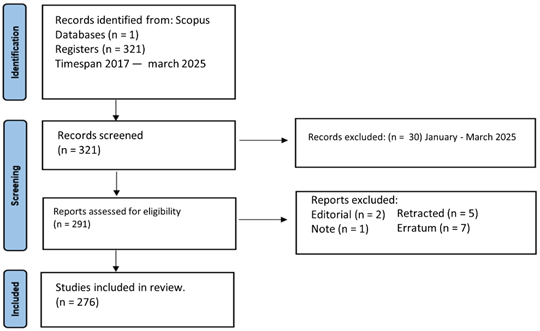
Figure 1. Document selection flowchart from Scopus
Co-word analysis techniques were also applied using "author keywords" as the unit of analysis and the thematic mapping technique to construct a thematic map and examine the conceptual structure of the field. Second, VOSviewer (version 1.6.20) was used to generate visualizations of co-authorship, co-citation, and keyword co-occurrence networks, considering documents, sources, countries, and authors as units of analysis (McAllister et al., 2022; van Eck & Waltman, 2010). Finally, Microsoft Excel 365 (version 2408) was used to build supplementary tables and charts, organize descriptive data, and present supporting figures for the analysis (Meyer & Avery, 2009; Neyeloff et al., 2012).
The integration of these three software tools enabled a multidimensional approach to the analysis: descriptive, relational, and conceptual. From a descriptive standpoint, temporal trends, document-level impact, and publication patterns by country and source were evaluated. In the relational analysis, collaboration networks and citation patterns were explored. Finally, thematic analysis provided an integrated view of the main conceptual clusters and their relevance to the field’s development, identifying motor, basic, emerging, and niche themes.
Based on this robust methodological strategy, the study proceeds to present the results, organized according to the research questions and focused on the main trends, actors, and themes in the field.
4. Results
4.1. Evolution of Scientific Production and Citation Impact (2017–2024)
The objective of this section is to identify the periods of greatest growth in scientific production and analyze their correlation with citation impact per article, to answer RQ1. Figure 2 illustrates the evolution of scientific output in the field under study. In terms of volume, a steady increase is observed beginning in 2020, with a significant surge in 2024, which recorded 135 documents—representing the highest output within the analyzed period. However, this rise in quantity does not translate into impact, as the average number of citations per article in 2024 is the lowest (3.16), suggesting that many of these publications are recent and have not yet been widely cited.

Figure 2. Evolution and Impact of Documents (2017—2024)
In contrast, 2017, despite having only
one document, shows the highest average number of citations both per year
(79.67) and per article (717.00), highlighting the strong influence of a
pioneering publication (Popenici & Kerr, 2017). From 2019 onward, an upward
trend in production begins, with a mid-peak in 2021 (40 documents) and a
moderate citation impact per article (14.03).
The year 2023 stands out for combining a relatively high volume of publications
(45 documents) with a high average of citations per article (19.82), suggesting
a more mature and visible body of academic work. In summary, the field has
rapidly grown in volume in recent years, but citation impact remains
concentrated in a few key documents and earlier periods, reflecting an emerging
literature still in the process of consolidation. The following section
examines the main publication sources that have contributed to the development
and impact of knowledge in this area.
4.2. Top Ten Most Relevant Sources
The goal of this section is to identify and compare key bibliometric metrics—such as the h-, g-, and m-indices, number of publications, and citation counts—of the ten most relevant sources, to understand the patterns of influence and growth in this emerging area. This section contributes to answering research question RQ2. Table 1 presents the 10 most relevant sources among the 156 identified in this bibliometric analysis. The Journal of Intelligent and Fuzzy Systems leads in impact, with the highest h-index (8) and m-index (1.600) and has accumulated 162 citations across just 8 documents published since 2021 (Gao, 2021; Z. Li & Wang, 2021), indicating high productivity and influence in a short period. It is followed by the Journal of Physics: Conference Series, which has the highest number of publications (14) and a g-index of 10, though with moderate impact (m-index of 1.000), suggesting a high volume but lower concentration of citations per document (F. Li, 2021; M. Wang, 2021).
Table 1. Top Ten Most Relevant Sources.
|
Most Relevant Sources |
H index |
G index |
M index |
TC |
NP |
PY start |
|
Journal of Intelligent and Fuzzy Systems |
8 |
8 |
1.600 |
162 |
8 |
2021 |
|
Journal of Physics: Conference Series |
7 |
10 |
1.000 |
114 |
14 |
2019 |
|
Wireless Communications and Mobile Computing |
4 |
6 |
0.800 |
44 |
7 |
2021 |
|
Computers and Education: Artificial Intelligence |
3 |
3 |
1.000 |
98 |
3 |
2023 |
|
International Journal of Emerging Technologies in Learning |
3 |
3 |
0.500 |
145 |
3 |
2020 |
|
Mobile Information Systems |
3 |
5 |
0.600 |
141 |
5 |
2021 |
|
Scientific Programming |
3 |
3 |
0.750 |
30 |
3 |
2022 |
|
Applied Mathematics and Nonlinear Sciences |
2 |
2 |
0.667 |
23 |
34 |
2023 |
|
Education Sciences |
2 |
3 |
1.000 |
9 |
4 |
2024 |
|
Frontiers in Psychology |
2 |
4 |
0.500 |
20 |
4 |
2022 |
Computers and Education: Artificial Intelligence, although more recent (2023), stands out with an m-index of 1.000 and 98 citations in just 3 documents, reflecting a rapid and growing influence (McGrath et al., 2023). The International Journal of Emerging Technologies in Learning also stands out, with 145 citations in 3 documents, although it has a lower annual citation intensity (m-index of 0.500), possibly due to its earlier starting year (2020) (Y. Wang & Zheng, 2020; Yang et al., 2020). Similarly, Mobile Information Systems shows a comparable pattern, with 141 citations and sustained impact (Chen, 2022; Zhang & Chen, 2021). In the case of Applied Mathematics and Nonlinear Sciences, the number of publications (34) is high, but the relative impact is low, as reflected in its h-index of 2 and m-index of 0.667, suggesting a focus on quantity over citation impact (Gong & Xiao, 2024; Hou, 2024). Education Sciences, though recent (2024), appears with a competitive m-index of 1.000, showing promising growth potential (Khlaif et al., 2024). Finally, Frontiers in Psychology and Scientific Programming exhibit a moderate presence, with few articles but stable citation levels. Figure 3 generated by VOSviewer shows the total number of sources identified in this study.
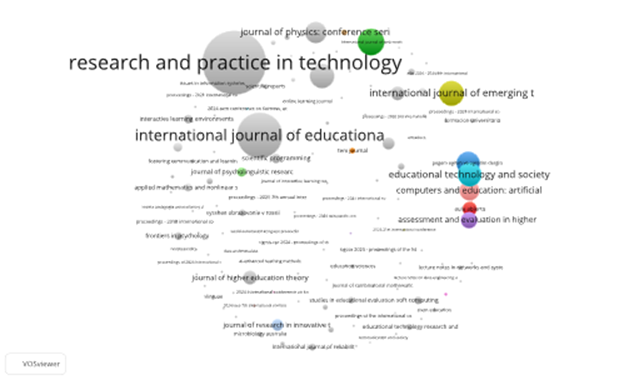
Figure 3. Network visualization of 156 sources
Overall, the data reveal that the most influential sources are not necessarily the oldest or most prolific but those that have achieved high impact in a short time, highlighting the emerging and dynamic nature of this research field. The following section analyzes the most prominent authors leading scientific production in AI-assisted teaching.
4.3. Most Relevant Authors
To address RQ3, the aim of this section is to identify and characterize the ten most relevant authors in research on the field under study, evaluating their bibliometric indicators (h-, g-, and m-indexes, number of publications, total citations, and starting year of publication) to understand their influence, trajectory, and contribution to the development of the field. Table 2 shows the 10 most relevant authors among the 631 identified in this bibliometric study. Wang Y tops the list with the highest number of publications (6) and a total of 211 citations, which also gives him the highest h-index (4) and notable consistency in annual impact (m-index of 0.667). He is followed by Chan CKY, who, with only 2 publications since 2023, has accumulated 415 citations, making him the author with the highest total number of citations in the group and an equivalent m-index, suggesting strong influence concentrated in a few documents.
Table 2. Ten most relevant authors
|
Most Relevant Authors |
h index |
g index |
m index |
TC |
NP |
PY start |
|
Wang Y |
4 |
6 |
0.667 |
211 |
6 |
2020 |
|
Wang L |
3 |
3 |
0.500 |
15 |
5 |
2020 |
|
Ayyoub A |
2 |
2 |
1.000 |
8 |
2 |
2024 |
|
Bannister P |
2 |
3 |
0.667 |
23 |
3 |
2023 |
|
Chan Cky |
2 |
2 |
0.667 |
415 |
2 |
2023 |
|
Faisal M |
2 |
2 |
0.500 |
20 |
2 |
2022 |
|
Li S |
2 |
3 |
0.500 |
14 |
4 |
2022 |
|
Liu C |
2 |
2 |
0.400 |
141 |
2 |
2021 |
|
Liu Y |
2 |
4 |
0.286 |
27 |
4 |
2019 |
|
Mcgrath C |
2 |
2 |
0.667 |
126 |
2 |
2023 |
Liu C also stands out for his citation volume (141), although his m-index is slightly lower (0.400), possibly due to less consistent publication activity. On the other hand, authors like Ayyoub A and McGrath C show the highest m-index (1.000 and 0.667 respectively), with only 2 recent publications and significant impact in a short time, reflecting strong emerging potential. Authors such as Wang L, Faisal M, and Li S present moderate productivity, with h-indexes between 2 and 3 and a stable m-index of 0.500, indicating a consolidating trajectory. Figure 4 generated by VOSviewer displays a network visualization of the total authors identified in this study (n = 631).
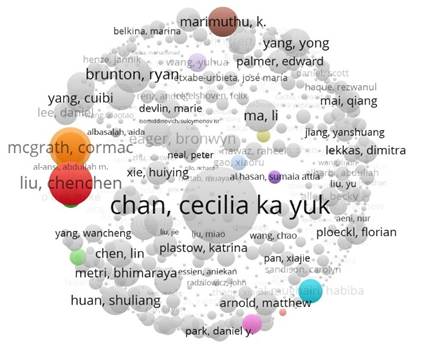
Figure 4. Network visualization of 631 authors
Finally, Liu Y, who began earlier (2019), shows a more dispersed impact and a low m-index (0.286) despite having four publications. Overall, the data show that leadership in this field is distributed among emerging authors with high impact, reflecting the recent and dynamic nature of research in AI-assisted teaching. The next section examines the most cited documents to identify the contributions with the greatest influence on the theoretical and practical development of the topic.
4.4. Most Cited Documents Worldwide
To answer RQ4, the goal of this section is to analyze the themes, approaches, and citation patterns of the ten most influential documents in the field under study, in order to identify the priorities, concerns, and dominant trends in recent scientific production. Table 3 presents the 10 most cited documents among the 276 selected for this study, highlighting both cumulative impact and temporal citation intensity. The most influential article is “Exploring the impact of artificial intelligence on teaching and learning in higher education,” with 717 total citations, an annual average of 79.67, and a normalized citation score of 1.00, which serves as the baseline for comparison.
Table 3. Ten most cited documents
|
Documents |
Total Citations |
TC per Year |
Normalized TC |
|
Exploring the impact of artificial intelligence on teaching and learning in higher education (Popenici & Kerr, 2017) |
717 |
79.67 |
1.00 |
|
A comprehensive AI policy education framework for university teaching and learning (Chan, 2023) |
400 |
133.33 |
20.18 |
|
Factors Affecting the Adoption of AI-Based Applications in Higher Education: An Analysis of Teachers' Perspectives Using Structural Equation Modeling (Y. Wang et al., 2021) |
136 |
27.20 |
9.70 |
|
Prompting Higher Education Towards AI-Augmented Teaching and Learning Practice (Eager & Brunton, 2023) |
96 |
32.00 |
4.84 |
|
An Immersive Context Teaching Method for College English Based on Artificial Intelligence and Machine Learning in Virtual Reality Technology (Ma, 2021) |
77 |
15.40 |
5.49 |
|
Hello GPT! Goodbye home examination? An exploratory study of AI chatbots impact on university teachers’ assessment practices (Farazouli et al., 2024) |
73 |
36.50 |
23.13 |
|
College music education and teaching based on AI techniques (Wei et al., 2022) |
65 |
16.25 |
6.62 |
|
A Practical Teaching Mode for Colleges Supported by Artificial Intelligence (Yang et al., 2020) |
61 |
10.17 |
4.74 |
|
A decolonial approach to AI in higher education teaching and learning: strategies for undoing the ethics of digital neocolonialism (Zembylas, 2023) |
58 |
19.33 |
2.93 |
|
College English Smart Classroom Teaching Model Based on Artificial Intelligence Technology in Mobile Information Systems (Zhang & Chen, 2021) |
57 |
11.40 |
4.06 |
The article “A comprehensive AI policy education framework for university teaching and learning,” although with 400 total citations, has the highest annual average (133.33) and the highest relative impact (Normalized TC = 20.18), indicating a very strong reception in a short period. Also noteworthy is “Hello GPT! Goodbye home examination?”, with an average of 36.50 citations per year and a normalized TC of 23.13, suggesting a recent and significant impact on the use of chatbots in university assessments. Other documents, such as “Factors Affecting the Adoption of AI-Based Applications in Higher Education” and “Prompting Higher Education Towards AI-Augmented Teaching,” show high annual citation levels (27.20 and 32.00, respectively), reflecting their relevance in the academic debate on AI adoption and implementation in the classroom.
The rest of the articles show moderate total and annual impact levels, but all exceed 10 citations per year, establishing themselves as references in specific themes such as music, AI-based English teaching, assessment practices, and decolonial approaches. Together, these documents demonstrate that the most visible topics in the field center on institutional frameworks, transformation of assessment, disciplinary AI implementation, and critical reflection on its use—confirming the multidimensional nature of the challenges and opportunities associated with AI-assisted teaching. The following section analyzes the country’s leading in productivity and impact in this field.
4.5. Countries with the Most Documents Worldwide
This section aims to address RQ5 by analyzing the global distribution of scientific productivity and impact in research on the field under study, identifying emerging patterns in terms of publication volume and citations. Table 4 shows the 10 countries with the highest number of documents. China leads by far in volume with 156 documents and in total citations (1080), indicating high productivity and significant influence in the field. However, in terms of relative impact, Australia stands out with only 7 documents but 871 citations, suggesting highly influential publications.
Table 4. Ten countries with the most documents along with their citations
|
Country |
Documents |
Citations |
|
China |
156 |
1080 |
|
Saudi Arabia |
13 |
77 |
|
United States |
12 |
28 |
|
Spain |
10 |
67 |
|
India |
9 |
203 |
|
United Kingdom |
9 |
102 |
|
Australia |
7 |
871 |
|
Oman |
7 |
63 |
|
Germany |
4 |
34 |
|
Indonesia |
4 |
17 |
India shows a balance between volume and citation, with 9 documents accumulating 203 citations, while the United Kingdom, with the same number of publications, reaches 102 citations. Saudi Arabia and Spain also position themselves among the most productive countries, although with moderate impact (77 and 67 citations, respectively). In contrast, the United States, despite its global academic trajectory, shows a low citation count (28) for its 12 documents, possibly indicating a more recent or less central presence in this specific line of research. Finally, countries like Oman, Germany, and Indonesia, though with fewer publications (4 to 7 documents), maintain active participation in research, albeit with limited citation impact. Figure 5, generated by VOSviewer shows the network visualization of the 61 countries identified in this study.
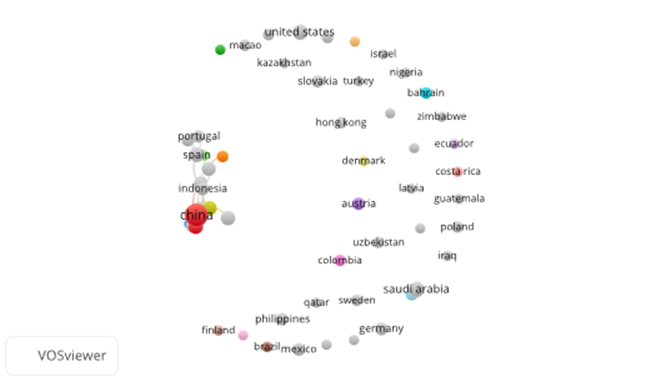
Figure 5. Network visualization of the 61 countries involved in this bibliometric study
In summary, the data reveal a strong concentration of scientific production in Asia, with China as the main actor, but they also show that impact is not solely dependent on volume, as demonstrated by the exceptional case of Australia. The following section analyzes how the key topics in this field are conceptually structured through a thematic map.
4.6. Challenges and Opportunities by Key Themes
To address RQ6, this section analyzes the configuration and evolution of key themes in research on AI-assisted teaching in higher education to identify the main opportunities and challenges posed by this emerging field. Table 5 presents data generated in RStudio (Figure 6) from its conceptual structure, using the bibliometric technique of co-word analysis, author keywords as the unit of analysis, and thematic mapping as the statistical method. These data reveal the most representative clusters in the research under study, showing their main opportunities and challenges. The “higher education” cluster is positioned as a motor and basic theme, with the highest centrality (1.049) and high density (47.425), reflecting its articulating role and consolidation as the core of scientific debate. This represents a clear opportunity: AI is actively integrating into the university system, generating structural changes in teaching, academic management, and institutional models.
Table 5. Centrality and density of thematic clusters
|
Cluster |
Callon Centrality |
Callon Density |
Rank Centrality |
Rank Density |
Cluster Frequency |
|
higher education |
1.049 |
47.425 |
9 |
5 |
145 |
|
ChatGPT |
0.607 |
46.056 |
8 |
3 |
74 |
|
artificial intelligence |
0.528 |
42.384 |
7 |
2 |
186 |
|
self-efficacy |
0.111 |
48.148 |
6 |
6 |
8 |
|
activity theory |
0.033 |
46.190 |
5 |
4 |
24 |
|
neural network |
0.000 |
39.583 |
2.5 |
1 |
10 |
|
information literacy |
0.000 |
50.000 |
2.5 |
8 |
2 |
|
attention mechanism |
0.000 |
50.000 |
2.5 |
8 |
2 |
|
music teaching |
0.000 |
50.000 |
2.5 |
8 |
2 |
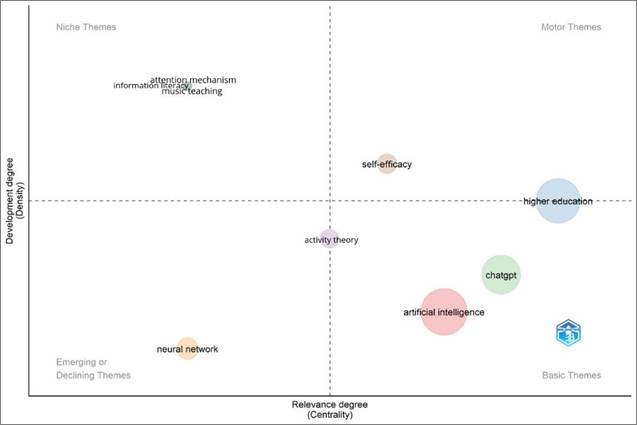
Figure 6. Thematic map generated by RStudio
The “ChatGPT” (centrality: 0.607; density: 46.056) and “artificial intelligence” (centrality: 0.528; density: 42.384) clusters are also considered basic themes, reflecting their widespread and growing presence in academic discourse. However, their relatively lower density compared to “higher education” suggests ongoing challenges in conceptual structuring and critical application. These challenges relate to the design of clear policies, the adaptation of teaching practices, and emerging ethical tensions, as highlighted by An et al. (2025) and Nadim & Di Fuccio (2025).
The “self-efficacy” cluster (centrality: 0.111; density: 48.148) appears as a motor theme despite its low frequency, indicating that perceived competence in using AI is a crucial factor for effective adoption. This aligns with the challenges identified by Sheng (2025) and Bottiglieri et al. (2025), who highlight teacher readiness as either a barrier or an enabler for AI use in university contexts.
The “activity theory” cluster, with a centrality of 0.033 and density of 46.190, falls among emerging or declining themes. This indicates that, although it has theoretical potential to analyze transformations in teaching practices with AI, its integration into current studies is still limited. A similar situation is observed in “neural network” (centrality: 0.000; density: 39.583), revealing a more technical focus still adapting to pedagogical contexts.
Meanwhile, the “information literacy,” “attention mechanism,” and “music teaching” clusters are classified as niche themes, with centrality 0.000 and maximum density (50.000). Despite their limited presence, they represent promising lines of work. For instance, information literacy is essential to foster critical thinking regarding algorithmic bias, as proposed by Shtawi and Abd-Rabo (2025). Similarly, “music teaching” points to opportunities for personalized applications in specific contexts, as suggested by Velázquez-García et al. (2025) in relation to STEM and artistic disciplines.
In sum, this analysis confirms what the literature has identified: AI-assisted teaching is an expanding field, where consolidated topics coexist with emerging approaches. Opportunities are linked to the institutional prominence of AI, its transformative capacity in classrooms, and the adoption of tools like ChatGPT. On the other hand, the challenges involve the need to develop stronger theoretical frameworks, foster critical digital competencies, and extend AI’s impact to less-explored areas of higher education. Figure 7 shows the challenges and opportunities derived from this analysis.
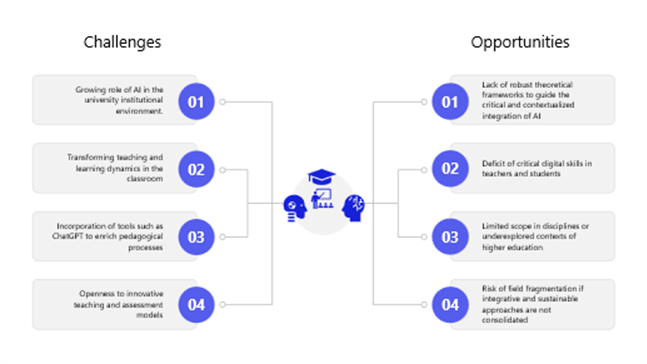
Figure 7. Challenges and opportunities (An et al., 2025; Bottiglieri et al., 2025; Nadim & Di Fuccio, 2025; Sheng, 2025; Shtawi & Abd-Rabo, 2025; Velázquez-García et al., 2025)
The next section discusses the results in relation to the reviewed literature, highlighting their implications for academic practice and future research directions.
5. Discussion and Conclusions
The findings of this bibliometric study confirm that research on AI-assisted teaching in higher education has experienced remarkable growth in publication volume since 2020, reaching its peak in 2024. However, this quantitative increase has not translated into a proportional impact in terms of citations, reflecting a still-nascent field that is in the process of consolidation, with many recent documents yet to gain sufficient visibility. This gap between production and citation suggests a significant challenge: to enhance the quality, rigor, and dissemination of the knowledge produced so it can have a more sustained influence within the academic community. As Ren and Wu (2025) also point out, integrating AI requires not only a high volume of research but also teaching competencies, institutional policies, and sustainable frameworks.
The analysis of the most relevant sources shows that impact is not determined by the number of publications or the age of the journals, but rather by their ability to strategically position themselves within an emerging field. Journals such as Computers and Education: Artificial Intelligence and Education Sciences have shown rapid growth and high citation density, suggesting clear opportunities for new scholarly publications that specifically address the integration of AI into educational contexts. However, some sources with high productivity but relatively low impact were also identified, posing the challenge of avoiding dispersion and promoting more rigorous editorial standards. As Wang et al. (2025) warn, there is a need to move beyond generalist approaches and toward more relevant and pedagogically meaningful applications.
At the authorship level, results reveal that leadership in this field is not concentrated among well-established figures, but rather among emerging researchers with recent yet highly influential careers. This pattern reinforces the dynamic nature of the field but also highlights the challenge of ensuring continuity in production, fostering stable collaboration networks, and developing long-term research agendas. Cases such as Chan CKY or McGrath C reflect the potential of authors with few publications but strong immediate impact, representing an opportunity to capitalize on and expand these contributions. This aligns with Liu (2025), who emphasizes that the growth of educational AI is still shaped by experimental practices and the lack of institutional strategies that support continuous research with international impact.
As for the most cited documents, it is clear that the most valued approaches are linked to institutional policy formulation, the transformation of assessment, and the use of generative tools like ChatGPT in the classroom. These topics not only represent opportunities for direct application but also pose ethical, pedagogical, and methodological challenges that require attention. As noted by An et al. (2025) and Nadim and Di Fuccio (2025), the incorporation of GenAI into university settings raises critical questions about academic integrity, teaching autonomy, and the role of assessment in the digital age. Furthermore, studies like those by Tlais et al. (2025) show that while faculty members recognize the benefits of chatbots and other AI systems, concerns persist regarding overreliance, the accuracy of generated content, and the impact on learning quality.
The geographical distribution of publications reveals a clear concentration in Asia, with China leading in volume and Australia in relative impact. This suggests an opportunity to examine diverse institutional models, but also a challenge in promoting more balanced global collaboration. The relatively low impact of traditionally strong research countries such as the United States suggests either a late or more fragmented entry into the specific debate on AI in teaching, opening space for a reconfiguration of academic leadership in this area. This pattern is also observed in the study by Matos Mejías and Carrasco Polaino (2025), who highlight how student perceptions of AI are highly sensitive to local context, national regulatory frameworks, and institutional curricular priorities.
Finally, the thematic analysis reinforces patterns observed in the literature. Clusters such as higher education (centrality: 1.049; density: 47.425), ChatGPT (0.607; 46.056), and artificial intelligence (0.528; 42.384) form the conceptual core of the field, while others such as self-efficacy (0.111; 48.148) and activity theory (0.033; 46.190) reveal key dimensions related to teaching competencies and interpretative frameworks that remain underdeveloped. These findings are consistent with studies like Sheng (2025), who emphasizes that faculty digital literacy is still insufficient in light of rapid technological advances, and with Shtawi and Abd-Rabo (2025), who underscore the need for ethical policies to address concerns around privacy and digital security. Likewise, the identified niche topics—such as music teaching or information literacy—point to a strategic opportunity to diversify research toward less explored disciplines, as suggested by Velázquez-García et al. (2025) in their call for more inclusive and adaptive AI-supported learning environments.
Taken together, this study shows that AI-assisted teaching represents an emerging field with great potential for educational transformation, but it also faces structural and conceptual challenges that must be addressed from a critical, interdisciplinary, and ethical perspective. The academic implications point to the need for more collaborative research, strong methodological designs, and alignment with real demands in the university context. Practically, the findings suggest that institutions should promote faculty professional development in AI, establish clear and ethical technology integration policies, and create sustainable and inclusive learning environments.
Among the study's limitations is the exclusive reliance on the Scopus database, which excludes relevant literature indexed on other platforms. In addition, the recent publication of many documents may have affected the observed citation levels. Finally, while key topics were identified, the thematic analysis is based on author co-words, which may limit the conceptual depth of some clusters. Future studies could complement these findings with qualitative analyses, systematic reviews, or case studies to delve deeper into the uses, effects, and perceptions of AI in university teaching.
Author Contributions: The author has read and agreed to the published version of the manuscript.
Funding: This research received no external funding.
Data Availability Statement: All data are included in this document.
Conflicts of Interest: The author declares no conflicts of interest.
References
An, Y., Yu, J. H., & James, S. (2025). Investigating the higher education institutions’ guidelines and policies regarding the use of generative AI in teaching, learning, research, and administration. International Journal of Educational Technology in Higher Education, 22(1). https://doi.org/10.1186/s41239-025-00507-3
Aria, M., & Cuccurullo, C. (2017). bibliometrix : An R-tool for comprehensive science mapping analysis. Journal of Informetrics, 11(4), 959–975. https://doi.org/10.1016/j.joi.2017.08.007
Baas, J., Schotten, M., Plume, A., Côté, G., & Karimi, R. (2020). Scopus as a curated, high-quality bibliometric data source for academic research in quantitative science studies. Quantitative Science Studies, 1(1), 377–386. https://doi.org/10.1162/qss_a_00019
Bottiglieri, L. I., Paz, M. F. I., & Ramallo, C. B. (2025). Educators in Transition: Unpacking Argentinean Teachers’ Attitudes Towards ai in Higher Education. Ikala, 30(1), 1–20. https://doi.org/10.17533/udea.ikala.355874
Burnham, J. F. (2006). Scopus database: A review. Biomed. Digit. Libr., 3(1), 1. https://doi.org/10.1186/1742-5581-3-1
Chan, C. K. Y. (2023). A comprehensive AI policy education framework for university teaching and learning. International Journal of Educational Technology in Higher Education, 20(1). https://doi.org/10.1186/s41239-023-00408-3
Chen, Z. (2022). Artificial Intelligence Evaluation for Mathematics Teaching in Colleges under the Guidance of Wireless Network. Mobile Information Systems, 2022. https://doi.org/10.1155/2022/3201004
Derviş, H. (2020). Bibliometric Analysis using Bibliometrix an R Package. Journal of Scientometric Research, 8(3), 156–160. https://doi.org/10.5530/jscires.8.3.32
Donthu, N., Kumar, S., Mukherjee, D., Pandey, N., & Lim, W. M. (2021). How to conduct a bibliometric analysis: An overview and guidelines. Journal of Business Research, 133, 285–296. https://doi.org/10.1016/j.jbusres.2021.04.070
Eager, B., & Brunton, R. (2023). Prompting Higher Education Towards AI-Augmented Teaching and Learning Practice. Journal of University Teaching and Learning Practice, 20(5). https://doi.org/10.53761/1.20.5.02
Farazouli, A., Cerratto-Pargman, T., Bolander-Laksov, K., & McGrath, C. (2024). Hello GPT! Goodbye home examination? An exploratory study of AI chatbots impact on university teachers’ assessment practices. Assessment and Evaluation in Higher Education, 49(3), 363–375. https://doi.org/10.1080/02602938.2023.2241676
Feng, S., Zhou, Q., & Chen, S. (2025). Research on application strategies of artificial intelligence in intelligent teaching of ideological and political education in higher vocational colleges. Proceedings of 2024 International Conference on Artificial Intelligence and Future Education, AIFE 2024, 315–319. https://doi.org/10.1145/3708394.3708448
Gao, X. (2021). Role of 5G network technology and artificial intelligence for research and reform of english situational teaching in higher vocational colleges. Journal of Intelligent and Fuzzy Systems, 40(2), 3643–3654. https://doi.org/10.3233/JIFS-189399
Gong, D., & Xiao, P. (2024). Research on the enhancement of informatization literacy of design practice teaching faculty in applied colleges and universities based on OBE model in the context of artificial intelligence. Applied Mathematics and Nonlinear Sciences, 9(1). https://doi.org/10.2478/amns-2024-0971
Hou, H. (2024). Analysis and Innovation of Vocal Music Teaching Quality in Colleges and Universities Based on Artificial Intelligence. Applied Mathematics and Nonlinear Sciences, 9(1). https://doi.org/10.2478/amns-2024-1843
Khlaif, Z. N., Ayyoub, A., Hamamra, B., Bensalem, E., Mitwally, M. A. A., Ayyoub, A., Hattab, M. K., & Shadid, F. (2024). University Teachers’ Views on the Adoption and Integration of Generative AI Tools for Student Assessment in Higher Education. Education Sciences, 14(10). https://doi.org/10.3390/educsci14101090
Kulkanjanapiban, P., & Silwattananusarn, T. (2022). Comparative analysis of Dimensions and Scopus bibliographic data sources: An approach to university research productivity. International Journal of Electrical and Computer Engineering, 12(1), 706–720. https://doi.org/10.11591/ijece.v12i1.pp706-720
Li, F. (2021). Information Teaching Platform of College Physical Education Based on Artificial Intelligence Technology. Journal of Physics: Conference Series, 1852(2). https://doi.org/10.1088/1742-6596/1852/2/022030
Li, Z., & Wang, H. (2021). The effectiveness of physical education teaching in college based on Artificial intelligence methods. Journal of Intelligent and Fuzzy Systems, 40(2), 3301–3311. https://doi.org/10.3233/JIFS-189370
Liu, Z. L. (2025). Generative AI and Mobile Learning in Higher Education: Comparing Student and Faculty Perspectives on Employability Impact. International Journal of Interactive Mobile Technologies , 19(1), 34–45. https://doi.org/10.3991/ijim.v19i01.51325
Ma, L. (2021). An Immersive Context Teaching Method for College English Based on Artificial Intelligence and Machine Learning in Virtual Reality Technology. Mobile Information Systems, 2021. https://doi.org/10.1155/2021/2637439
Matos Mejías, C., & Carrasco Polaino, R. (2025). Implementation of Artificial Intelligence in the Journalism studies of the Faculty of Information Sciences of the Complutense University of Madrid. European Public and Social Innovation Review, 10. https://doi.org/10.31637/epsir-2025-1136
McAllister, J. T., Lennertz, L., & Atencio Mojica, Z. (2022). Mapping A Discipline: A Guide to Using VOSviewer for Bibliometric and Visual Analysis. Science and Technology Libraries, 41(3), 319–348. https://doi.org/10.1080/0194262X.2021.1991547
McGrath, C., Cerratto Pargman, T., Juth, N., & Palmgren, P. J. (2023). University teachers’ perceptions of responsibility and artificial intelligence in higher education - An experimental philosophical study. Computers and Education: Artificial Intelligence, 4. https://doi.org/10.1016/j.caeai.2023.100139
Meyer, D. Z., & Avery, L. M. (2009). Excel as a Qualitative Data Analysis Tool. Field Methods, 21(1), 91–112. https://doi.org/10.1177/1525822X08323985
Mongeon, P., & Paul-Hus, A. (2016). The journal coverage of Web of Science and Scopus: a comparative analysis. Scientometrics, 106(1), 213–228. https://doi.org/10.1007/s11192-015-1765-5
Mukherjee, D., Lim, W. M., Kumar, S., & Donthu, N. (2022). Guidelines for advancing theory and practice through bibliometric research. Journal of Business Research, 148, 101–115. https://doi.org/10.1016/j.jbusres.2022.04.042
Nadim, M. A., & Di Fuccio, R. (2025). Unveiling the Potential: Artificial Intelligence’s Negative Impact on Teaching and Research Considering Ethics in Higher Education. European Journal of Education, 60(1). https://doi.org/10.1111/ejed.12929
Neyeloff, J. L., Fuchs, S. C., & Moreira, L. B. (2012). Meta-analyses and Forest plots using a microsoft excel spreadsheet: step-by-step guide focusing on descriptive data analysis. BMC Research Notes, 5(1), 52. https://doi.org/10.1186/1756-0500-5-52
Popenici, S. A. D., & Kerr, S. (2017). Exploring the impact of artificial intelligence on teaching and learning in higher education. Research and Practice in Technology Enhanced Learning, 12(1), 22. https://doi.org/10.1186/s41039-017-0062-8
Pranckutė, R. (2021). Web of Science (WoS) and Scopus: the titans of bibliographic information in today’s academic world. Publications, 9(1). https://doi.org/10.3390/publications9010012
Ren, X., & Wu, M. L. (2025). Examining Teaching Competencies and Challenges While Integrating Artificial Intelligence in Higher Education. TechTrends. https://doi.org/10.1007/s11528-025-01055-3
Sheng, Y. (2025). Research on teaching reform and innovation in higher education based on artificial intelligence. Proceedings of 2024 International Conference on Artificial Intelligence and Future Education, AIFE 2024, 320–324. https://doi.org/10.1145/3708394.3708449
Shtawi, S., & Abd-Rabo, A. M. (2025). Ethics of digital citizenship in the age of AI in higher education from the viewpoint of faculty members. In Digital Citizenship and the Future of AI Engagement, Ethics, and Privacy (pp. 169–200). https://doi.org/10.4018/979-8-3693-9015-3.ch007
Tlais, S., Alkhatib, A., Hamdan, R., HajjHussein, H., Hallal, K., & Malti, W. E. (2025). Artificial Intelligence in Higher Education: Early Perspectives from Lebanese STEM Faculty. TechTrends. https://doi.org/10.1007/s11528-025-01061-5
Todeschini, R., & Baccini, A. (2016). Handbook of Bibliometric Indicators: Quantitative Tools for Studying and Evaluating Research. https://doi.org/10.1002/9783527681969
van Eck, N. J., & Waltman, L. (2010). Software survey: VOSviewer, a computer program for bibliometric mapping. Scientometrics, 84(2), 523–538. https://doi.org/10.1007/s11192-009-0146-3
Velázquez-García, L., Cedillo-Hernández, A., Colón-Vallejo, A., Del Pilar Longar-Blanco, M., & Cedillo-Hernández, M. (2025). AI-Based Applications Enhancing Computer Science Teaching in Higher Education. Journal of Information Systems Engineering and Management, 10(2.0), 14–32. https://doi.org/10.52783/jisem.v10i2.920
Wang, M. (2021). Design of College Physical Education Teaching System Based on Artificial Intelligence Technology. Journal of Physics: Conference Series, 1852(4). https://doi.org/10.1088/1742-6596/1852/4/042005
Wang, P., Jing, Y., & Shen, S. (2025). A systematic literature review on the application of generative artificial intelligence (GAI) in teaching within higher education: Instructional contexts, process, and strategies. Internet and Higher Education, 65. https://doi.org/10.1016/j.iheduc.2025.100996
Wang, Y., Liu, C., & Tu, Y.-F. (2021). Factors Affecting the Adoption of AI Based Applications in Higher Education: An Analysis of Teachers Perspectives Using Structural Equation Modeling. Educational Technology and Society, 24(3), 116–129. https://www.scopus.com/inward/record.uri?eid=2-s2.0-85110454980&partnerID=40&md5=c59227a37550a07ad8a4695ad30dcc82
Wang, Y., & Zheng, G. (2020). Application of artificial intelligence in college dance teaching and its performance analysis. International Journal of Emerging Technologies in Learning, 15(16), 178–190. https://doi.org/10.3991/ijet.v15i16.15939
Wei, J., Marimuthu, K., & Prathik, A. (2022). College music education and teaching based on AI techniques. Computers and Electrical Engineering, 100. https://doi.org/10.1016/j.compeleceng.2022.107851
Yang, C., Huan, S., & Yang, Y. (2020). A practical teaching mode for colleges supported by artificial intelligence. International Journal of Emerging Technologies in Learning, 15(17), 195–206. https://doi.org/10.3991/ijet.v15i17.16737
Zembylas, M. (2023). A decolonial approach to AI in higher education teaching and learning: strategies for undoing the ethics of digital neocolonialism. Learning, Media and Technology, 48(1), 25–37. https://doi.org/10.1080/17439884.2021.2010094
Zhang, X., & Chen, L. (2021). College English Smart Classroom Teaching Model Based on Artificial Intelligence Technology in Mobile Information Systems. Mobile Information Systems, 2021. https://doi.org/10.1155/2021/5644604
Zupic, I., & Čater, T. (2015). Bibliometric Methods in Management and Organization. Organizational Research Methods, 18(3), 429–472. https://doi.org/10.1177/1094428114562629
Disclaimer/Publisher’s Note: The statements, opinions, and data contained in all publications are solely those of the individual authors and contributors, and do not necessarily reflect those of Ceniiac Journal of Negocios Globales, its publisher, or the editors. Neither the journal, the publisher, nor the editors assume responsibility for any harm to people or property resulting from the use of any ideas, methods, instructions, or products mentioned in the content.